Meta reconsiders 2030 net-zero goal amid record AI emissions
Ars Technica: Meta reconsiders 2030 net-zero goal amid record emissions from AI data centers
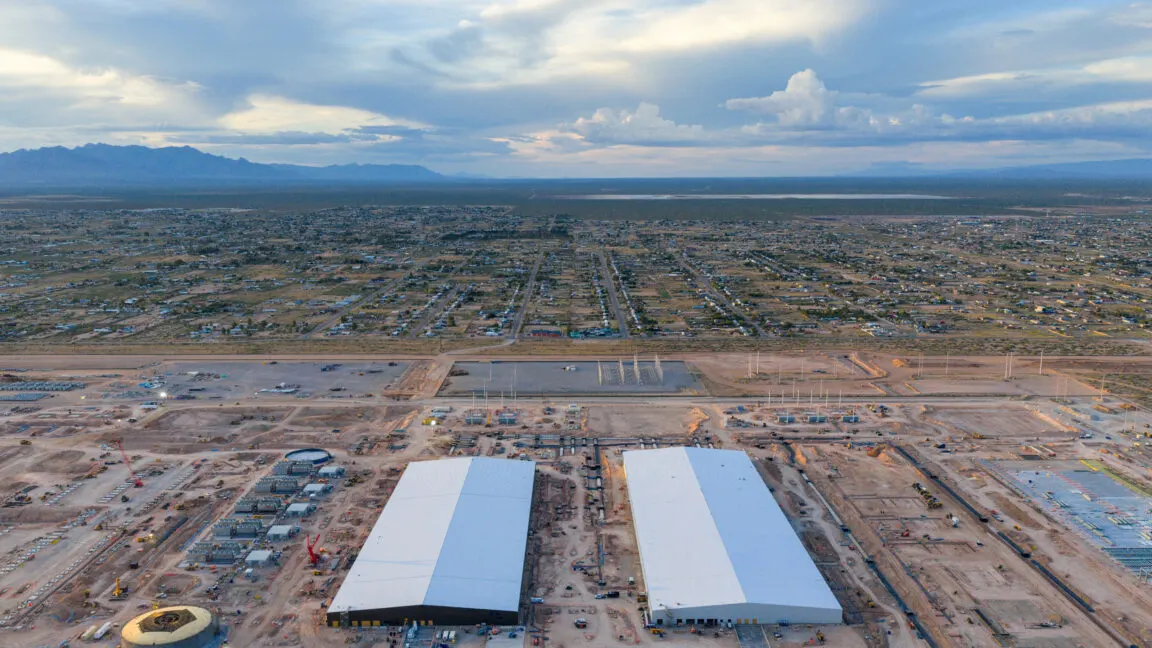
Meta’s executives are rethinking the company’s original goal of achieving net-zero emissions by 2030. That revelation in Meta’s latest sustainability report comes as the company reported a record percentage increase in greenhouse gas emissions that exceeds any other Big Tech competitor racing to build new AI data centers. The company’s 2026 sustainability report claims that “our long-term ambitions haven’t changed, but our operating environment has,” according to an introduction from Rachel Pete
Meta is reconsidering its original commitment to achieve net-zero emissions by 2030 due to record increases in greenhouse gas emissions from its AI data center expansion. The company's total emissions surged nearly 40 percent between 2024 and 2025, the highest percentage increase among major US tech competitors, driven primarily by capital goods like data center servers. This matters because Meta's public reversal of its sustainability timeline signals broader tensions in the technology industry between building new AI infrastructure and meeting environmental commitments, though competitors Amazon, Google, and Microsoft have maintained their original goals so far. The challenge stems from rapid AI demand outpacing projections, with data centers relying on natural gas power generation despite investments in renewable energy projects.
One short email a day with the stories that matter. Free. Unsubscribe with one click.
Want to go deeper than the news? Explore live, cohort-based AI courses taught by practitioners.
Browse AI courses on Maven
Trump threatens ‘tremendous tax’ for moving AI data centers outside the US
President Donald Trump promised to put a "tremendous tax" on companies that build data centers outside of the US, even as states and cities around the country are placing restrictions on new applications to build them. "We're not going to allow our companies to build data centers outside of our country," Trump said at a press conference Friday following his summit with China President Xi Jinping and Russia President Vladimir Putin. "They allowed that to happen with chips and ev

The unfolding Jensen Huang scandal: a timeline
Jensen Huang has resigned from Nvidia following an affair, which could have ramifications for national security as the U.S. and China race to develop the most advanced AI infrastructure.
Also reported by Wired AI

Nvidia is abandoning China after Jensen Huang’s ouster
Nvidia's interim CEO says the company is done selling chips to China. How much will that cost?
Also reported by The Verge

Researcher plants 2m canaries into the AI supply chain. A privacy disaster surfaced.
Researchers planted 2 million digital tripwires in requests sent through a sprawling network of AI services to find out what happened to sensitive information entrusted to them. What they discovered was an ecosystem that leaked highly sensitive data like a sieve. The exposure was found through an ingenious experiment designed to test if sensitive information can leak through the vast chain of widely used AI services and how that information is exploited when it does. Many of today’s AI apps use

SEC reportedly investigating Nvidia amid Huang exit
The SEC is opening a probe into Nvidia following the departure of CEO Jensen Huang, who admitted to an affair with an alleged Chinese spy, reports The Wall Street Journal.

AI models can be tricked into identifying civilians as military targets by telling them it’s a game
Vals, a San Francisco-based AI evaluation startup, tested whether leading AI models could be manipulated into participating in autonomous warfare. They usually compiled.