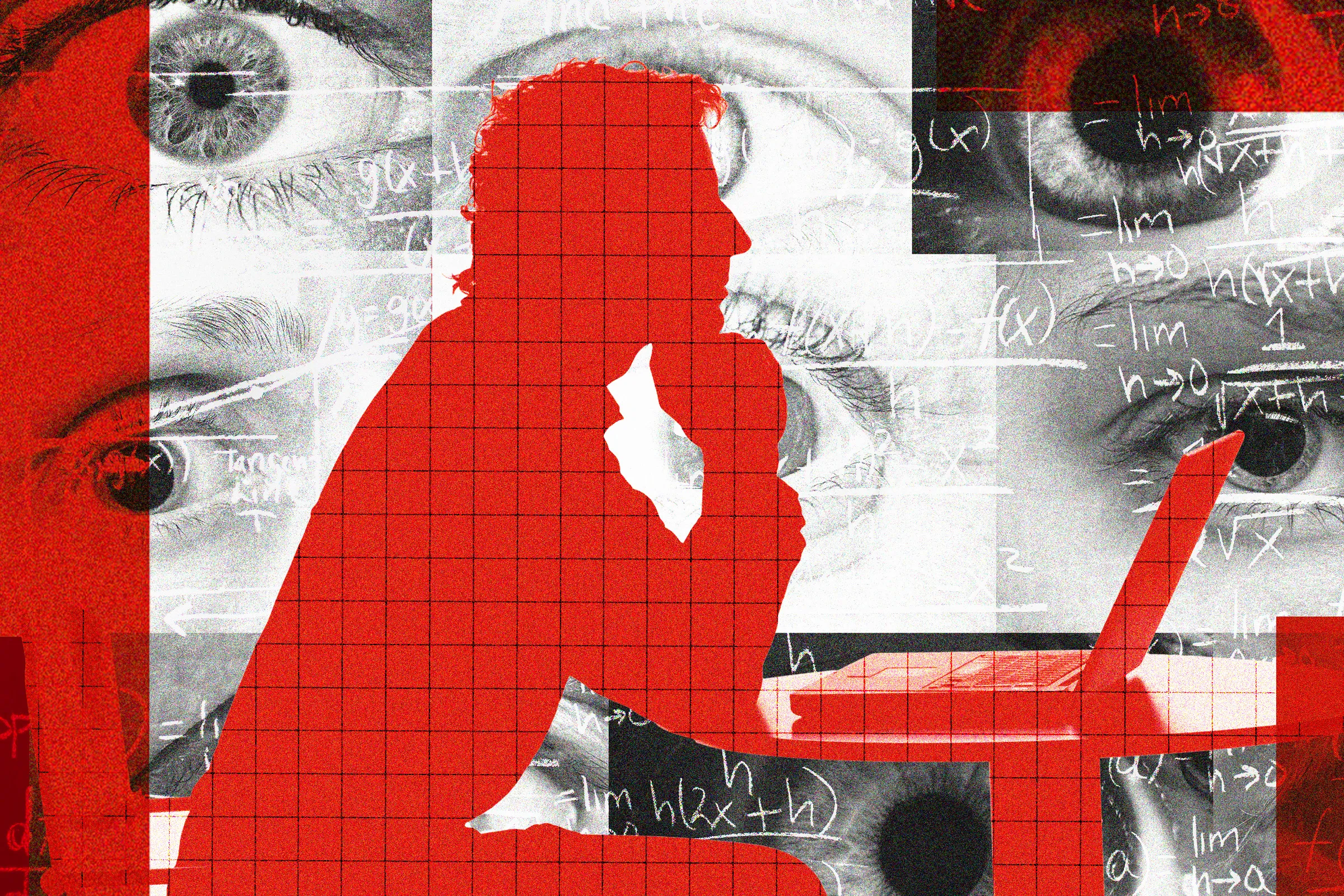
Mathematicians Hate AI. They Can’t Quit It
Powerful AI models have created an existential risk to the field, but researchers can’t stop relying on them because they’re too useful.
Get smart on it
Mathematicians are expressing serious concerns about AI companies using their research and work to solve major mathematical problems without proper attribution. Several prominent mathematicians claim that AI firms have incorporated their approaches and techniques into systems that then achieved breakthroughs, raising questions about credit, data use, and the future of human mathematical research. Despite these concerns, many mathematicians continue using AI tools because they are too useful and because major tech companies have a monopoly on access to these systems, leaving researchers with limited alternatives. The tension reflects broader anxieties about whether AI will make human mathematicians obsolete and fundamentally change how mathematical work is credited and understood.
Related news
A US-China AI Hotline Won't Be Ready For a While
As the US and China race to become the dominant power in the AI industry, the countries also appear to be figuring out ways to communicate on national security issues.

Sam Altman’s remarks at the United Nations Security Council
OpenAI CEO Sam Altman discusses AI safety, human control, and international cooperation in remarks to the United Nations Security Council.