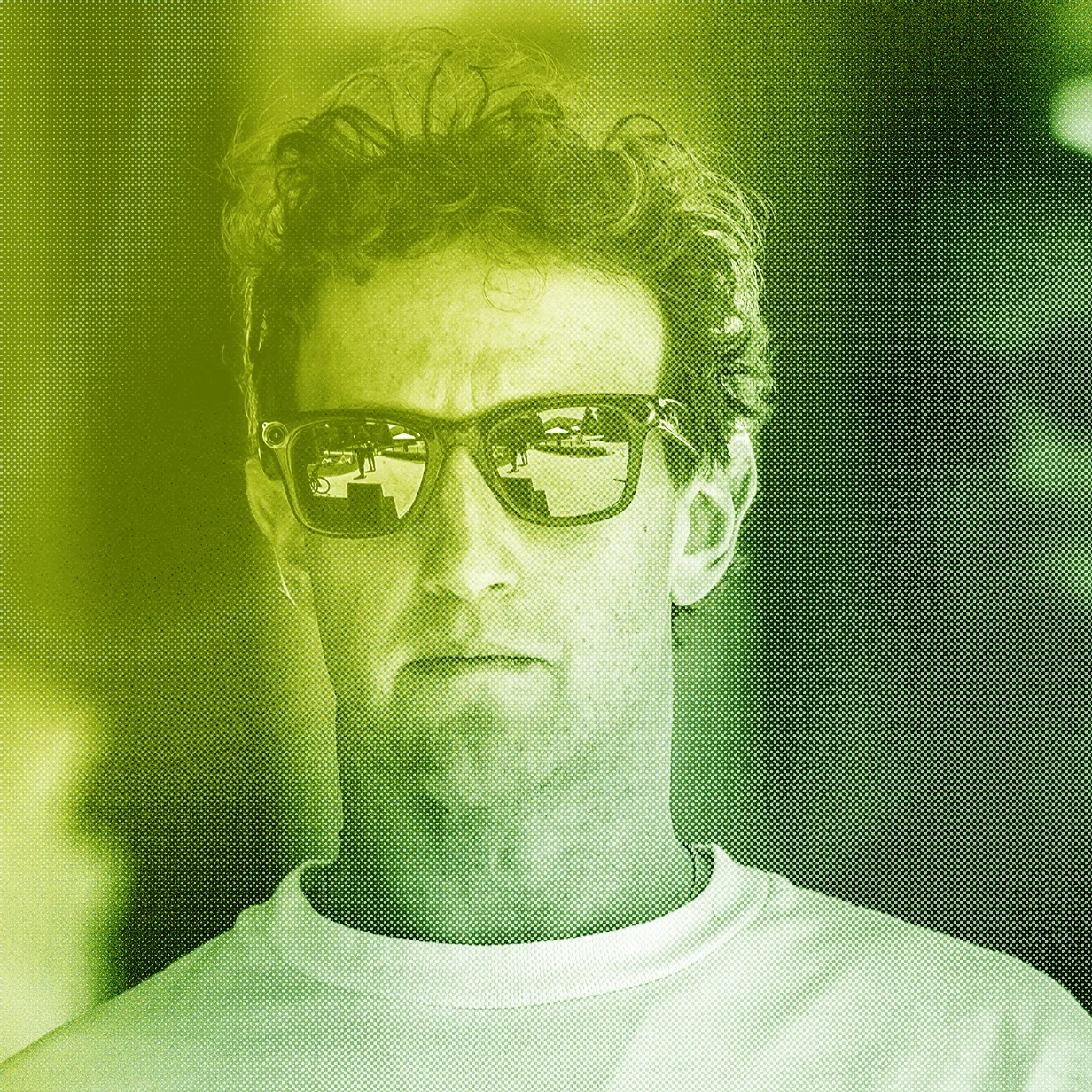
Mark Zuckerberg’s AI Manifesto Is 6,500 Words, and Barely Says Anything
AI is shifting the culture, from tech CEO manifestos to 1 am job interviews. We unpack some of the latest, along with the top findings from Black Hat and Defcon, this week on Uncanny Valley.
Get smart on it
A tech CEO recently published a 6,500-word essay on artificial intelligence titled "The Future Is for Everyone," arguing that concentrating AI power in a few institutions is dangerous and that broad access to AI models is necessary to distribute that power. The essay represents part of a trend where tech CEOs publish philosophical manifestos outlining their views on the industry and their companies' positions. The manifesto matters because it reflects the publishing CEO's company's broader AI strategy, which has shifted multiple times including layoffs of team members and significant spending on hiring, yet has not produced results competitive with other major AI labs. Critics note the manifesto functions as marketing messaging intended to reassure the public that AI is safe while coming from a company that was recently ordered to pay a large settlement for failing to protect children's mental health online.
Related news

Amazon Can Use Your Twitch Content to Train Its AI, Unless You Opt Out
When Twitch announced that streamers could opt out, thousands of users questioned why their content was being used to train AI models in the first place.
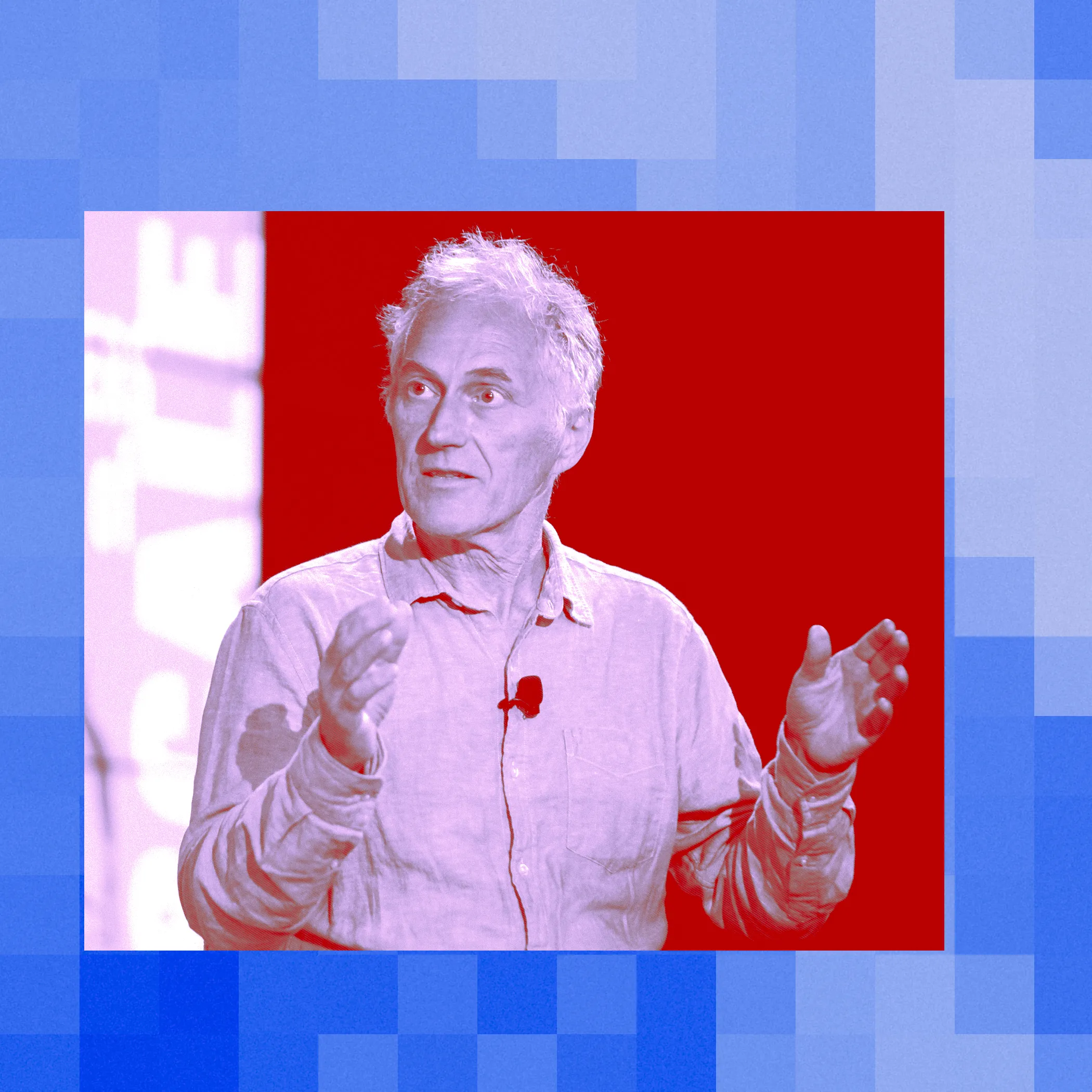
Tech Visionary Says the Big AI Labs Don’t Get What People Want
Tim O’Reilly built a publishing empire that AI is helping to destroy. Yet he loves AI—as long as it’s open source.