Mark Zuckerberg doesn’t understand how to live
Recently, a man I was rock climbing with told me about how he'd used AI to make a motivational poster for himself, which he'd hung on his bedroom wall: a bear, walking a slackline over a canyon, holding a sign that said, "Do cool shit." I made what I hoped was a polite noise. What reaction was this man looking for? He probably hoped someone, maybe me, would say it was cool or inspiring. It seemed I was not the first person he'd told about this poster. "You know, it's funny," he
Get smart on it
A tech industry leader recently published a lengthy essay outlining a positive vision for AI's future, arguing against widespread pessimism about the technology. The essay proposes that AI personal agents will improve human lives by managing relationships, health, careers, and other aspects of daily existence. This matters because the technology has faced significant backlash due to concerns about job losses, energy consumption, and safety risks. The source text questions whether AI-generated content and AI-managed relationships can truly provide meaningful value compared to human effort and personal connection.
Related news

Amazon Can Use Your Twitch Content to Train Its AI, Unless You Opt Out
When Twitch announced that streamers could opt out, thousands of users questioned why their content was being used to train AI models in the first place.
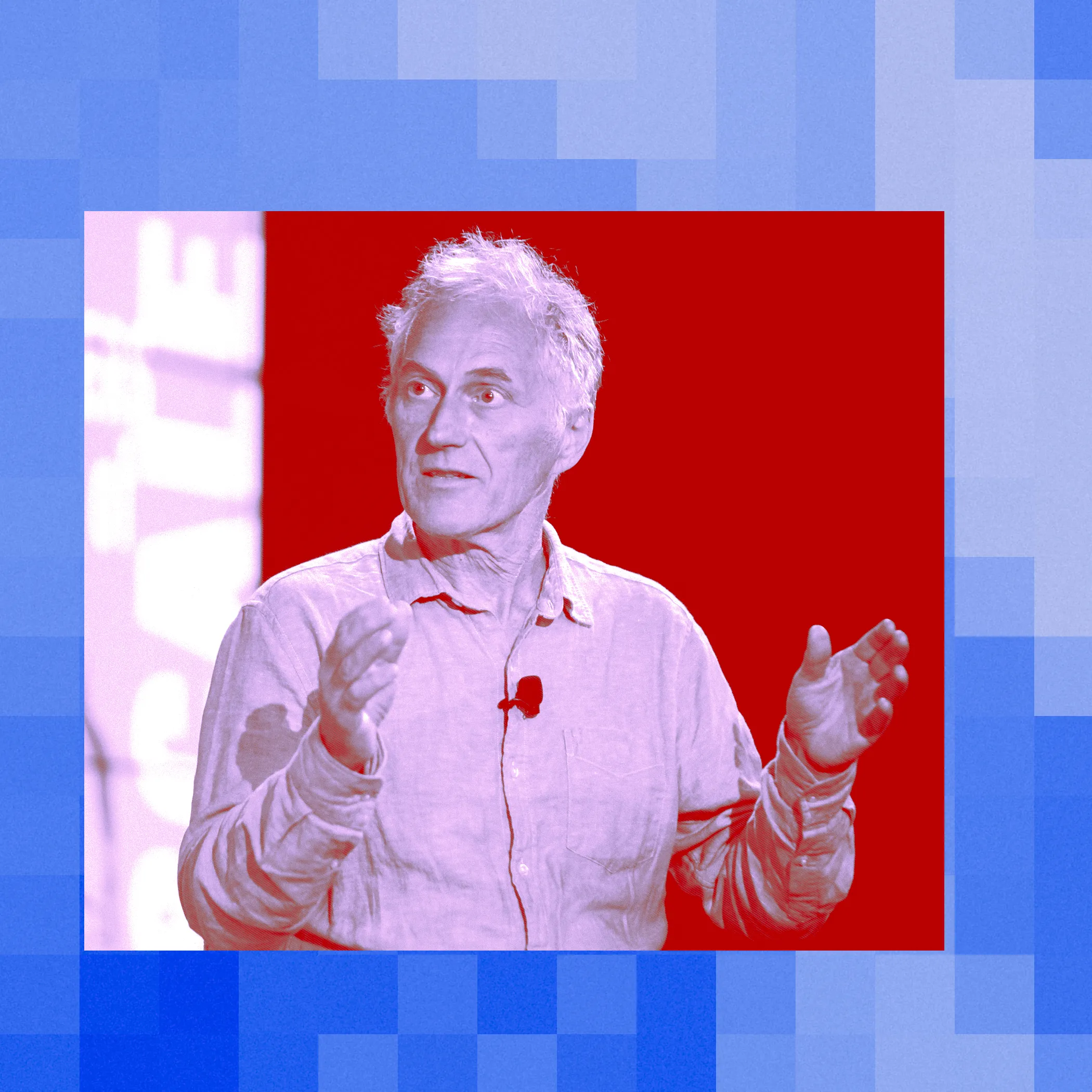
Tech Visionary Says the Big AI Labs Don’t Get What People Want
Tim O’Reilly built a publishing empire that AI is helping to destroy. Yet he loves AI—as long as it’s open source.