Mark Zuckerberg’s AI manifesto is exactly why people don’t like AI
On Monday, Mark Zuckerberg published a 6,500 word manifesto about personal AI, largely about the possibilities for the "personal superintelligence" systems Meta AI is building.
Get smart on it
A tech executive recently published a lengthy manifesto about personal AI systems, presenting optimistic visions of how advanced AI could improve education, law, and access to technology. The piece has drawn criticism because it uses abstract philosophical language to describe concrete products while downplaying real harms already occurring, such as students using AI tools to avoid learning rather than to learn. This matters because public trust in tech executives is already low due to past social media harms, and the manifesto's failure to acknowledge current AI problems may deepen public anxiety about whether industry leaders can be trusted to manage the technology responsibly. The disconnect between the executive's rosy theoretical examples and how these tools are actually being used suggests either a lack of awareness or an unwillingness to grapple with the genuine downsides that come with deploying powerful new technologies.
Related news

Amazon Can Use Your Twitch Content to Train Its AI, Unless You Opt Out
When Twitch announced that streamers could opt out, thousands of users questioned why their content was being used to train AI models in the first place.
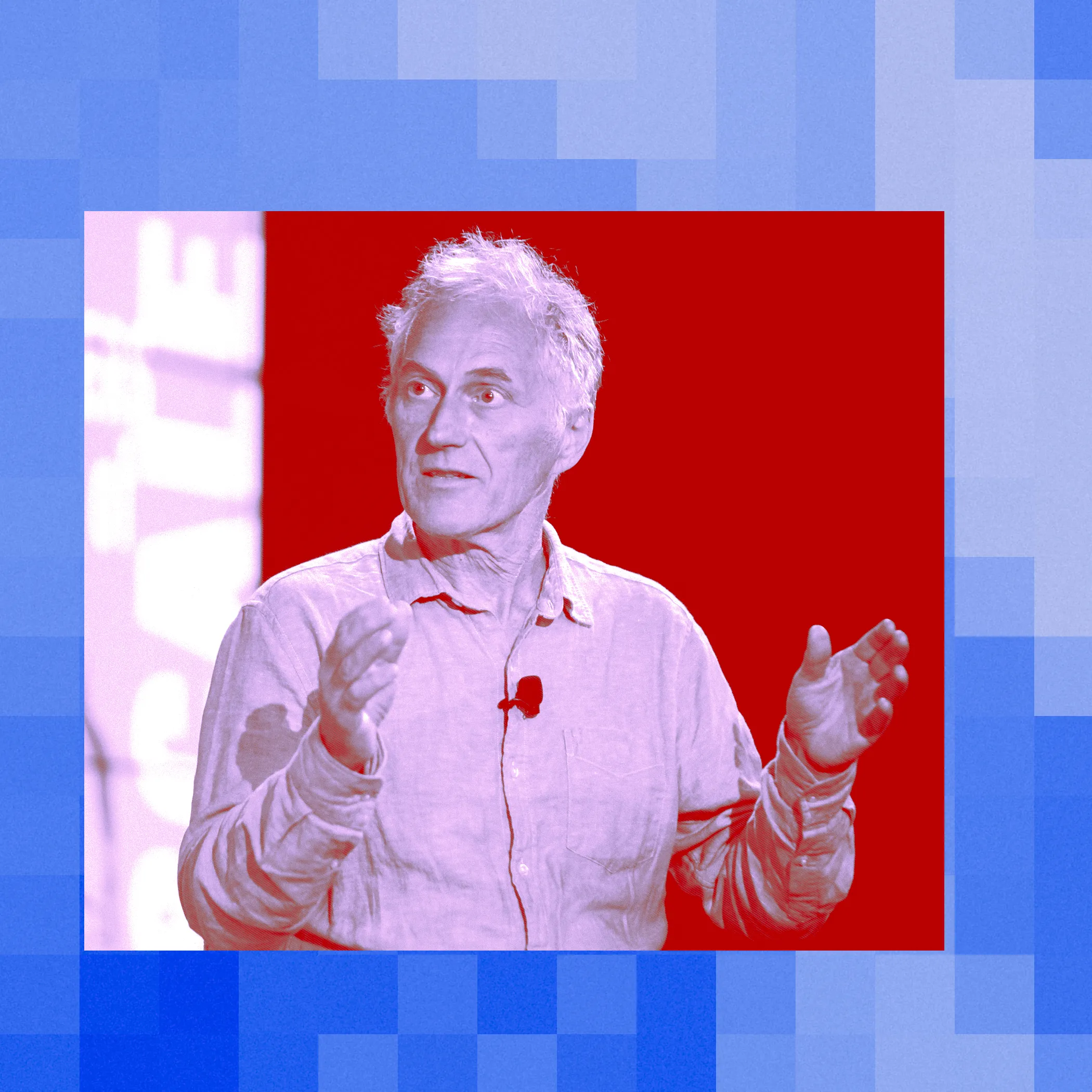
Tech Visionary Says the Big AI Labs Don’t Get What People Want
Tim O’Reilly built a publishing empire that AI is helping to destroy. Yet he loves AI—as long as it’s open source.