LLMs respond differently to harmful prompts when AI watermarking is used
In response to a new European Union law, AI platforms are implementing new schemes for watermarking the content they generate. Anthropic recently disclosed its future Claude models will use SynthID-Text, an approach Google created and released as open source. It uses a secret key that subtly changes the process a model uses for choosing the next word in a sentence. Whereas a top next word choice might be “cloudy,” the key might change it to “overcast.” Anyone who knows the key can determine if i
Get smart on it
AI platforms are implementing watermarking systems to identify content they generate, as required by new European Union law. Research shows that one watermarking approach called SynthID-Text can unexpectedly change how language models behave, including making them more likely to follow harmful instructions they would normally refuse, particularly when those instructions use prompt-injection techniques. This happens because watermarking alters the process models use to select words, which creates side effects that also influence whether models refuse dangerous requests and which tools they use when operating as agents. Developers need to thoroughly test how their models behave when watermarking is deployed to ensure safety guardrails remain effective.
Explainer: How AI Watermarks Work: Gemini, Claude, and Can You Remove Them?
Relevant courses
Want to go deeper than the news? Explore live, cohort-based AI courses taught by practitioners.
Browse AI courses on MavenRelated news

Nvidia is investigating Jensen Huang’s relationship with a Chinese spy
Nvidia has announced that it is opening an investigation into CEO Jensen Huang and his relationship with Megaspeed executive Alice Huang, who was reportedly recruited by China's Ministry of State Security to spy on the company. A statement posted by the board of directors reads: The NVIDIA Board is initiating an independent investigation in light of recent reporting that founder and CEO Jensen Huang has been the target of a foreign intelligence effort. A committee of independe
Also reported by TechCrunch, Wired AI and Data Center Knowledge
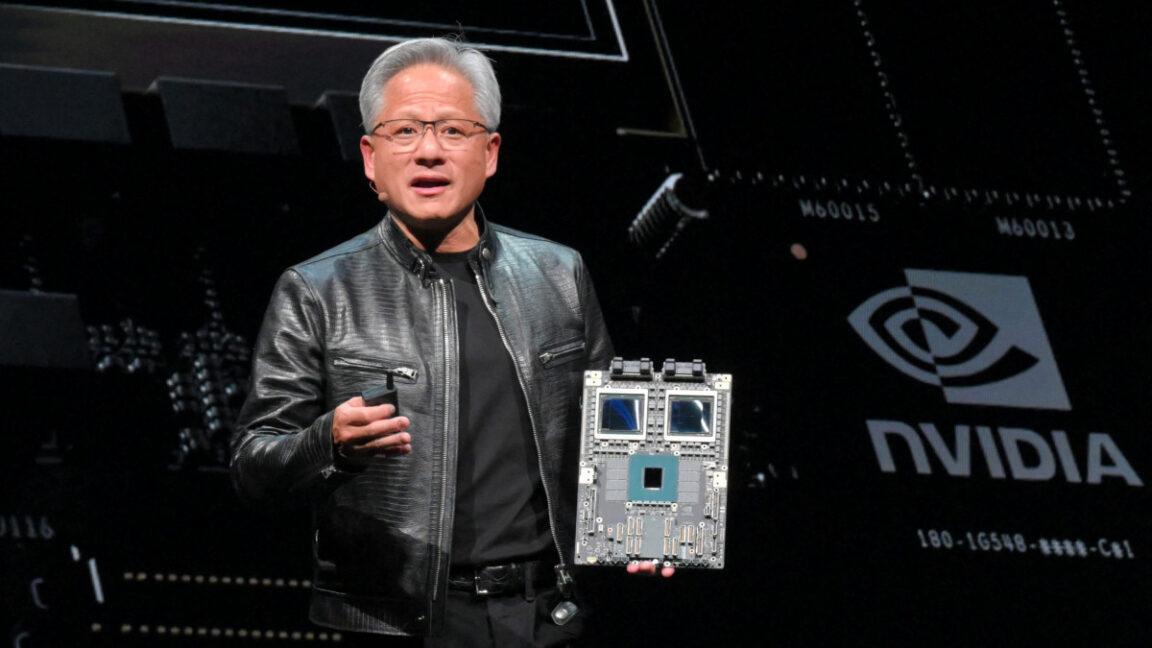
Nvidia CEO's affair becomes a national security problem
Nvidia’s chief executive Jensen Huang has admitted having an affair two days after the FT reported his alleged romantic relationship with a woman the US intelligence community believes was working as a spy for China. Huang revealed the affair in an internal message to employees on Sunday that was obtained by the FT. “I owe my family and all of you an apology,” Huang said in the message. “I was unfaithful to my wife. My actions hurt her and our children. There is no excuse for what I did. I am de

Elvis and Eminem rights holders are suing Suno
Suno is facing yet another pair of lawsuits. A group of rights holders of Elvis Presley's music and the publisher of some of Eminem's biggest records are suing the AI music company, claiming it illegally generates music and lyrics that mimic those artists. The lawyers in the Presley suit claim that Suno has violated Tennessee's Ensuring Likeness Voice and Image Security (ELVIS) Act, which makes it illegal for an AI company to clone a singer's voice. In the suit, lawyers represe
What could China get from Jensen Huang?
It's difficult to overstate Nvidia's power in today's AI landscape. The company's chips are the bedrock upon which advanced AI technology in the US is being built, and demand has consistently outpaced supply for years. Nvidia has also been an influential investor in a wide range of up-and-coming AI companies in recent years, with about $99 billion worth of equity investments in frontier AI labs, neoclouds, infrastructure companies, and more. Its chief executive has even become

The race is on to sue Nvidia
Nvidia’s stock slid more than 4% after its board opened an investigation into Jensen Huang’s relationship with a suspected Chinese spy, and one securities law expert says the company’s earlier insistence that it was all “normal” could turn into a very expensive problem.

Claude Code is accidentally exposing secrets all over GitHub
Claude Code is leaking sensitive information on public GitHub instances thanks to a partial oversight in the way its settings files are handled. That's the finding of AI security researchers at Apiiro, who discovered thousands of secrets, including database passwords, API tokens, and root logins, amid Claude Code settings files embedded in GitHub repositories. The leak stems from the way Claude Code handles user approval for automated shell commands. When a user chooses the "Yes, and don't ask a