
House Bill Would Put Federal Electricity Tax On Data Centers
H.R. 10102 would tax data center electricity at 1 cent per kWh, raising an estimated $1.76 billion annually for housing, conservation and infrastructure.
A House bill proposes a federal tax on electricity used by data centers, set at 1 cent per kilowatt-hour for facilities with more than 1 megawatt of power capacity. The tax would generate an estimated 1.76 billion dollars annually, with revenue directed toward housing, conservation, infrastructure, and energy technology. The proposal responds to concerns that communities bear the costs of data center growth and expanding AI workloads while not sharing in the benefits, and it follows Virginia's adoption of a similar state-level tax earlier in the year. For large operators, the tax could represent significant annual costs, though its impact on facility siting and power procurement decisions may depend on how competitive other factors like grid access and electricity costs are across different locations.
One short email a day with the stories that matter. Free. Unsubscribe with one click.
Want to go deeper than the news? Explore live, cohort-based AI courses taught by practitioners.
Browse AI courses on Maven
Nvidia is abandoning China after Jensen Huang’s ouster
Nvidia's interim CEO says the company is done selling chips to China. How much will that cost?

SEC reportedly investigating Nvidia amid Huang exit
The SEC is opening a probe into Nvidia following the departure of CEO Jensen Huang, who admitted to an affair with an alleged Chinese spy, reports The Wall Street Journal.

California state AG sues OpenAI over rogue agent incidents
The California lawsuit represents one of the first attempts to hold an AI lab legally accountable for a rogue agent incident
Also reported by The Verge

AI models can be tricked into identifying civilians as military targets by telling them it’s a game
Vals, a San Francisco-based AI evaluation startup, tested whether leading AI models could be manipulated into participating in autonomous warfare. They usually compiled.
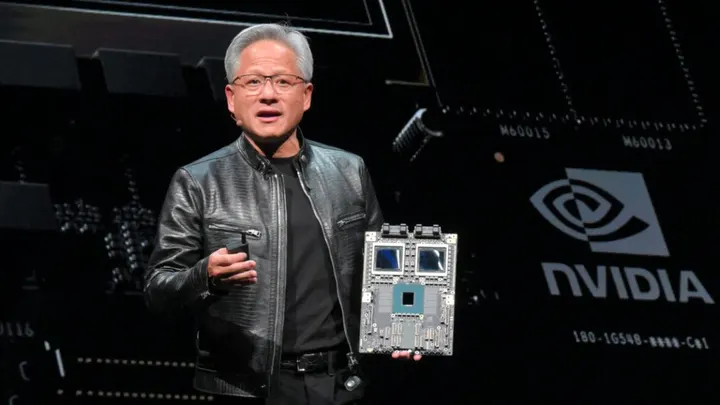
Jensen Huang allies build a "war room" to get him back at Nvidia
Jensen Huang is considering a comeback as Nvidia’s chief executive, as allies in Silicon Valley pressure the company’s board to reinstate him days after the tech executive resigned over reports he had affairs with a suspected Chinese spy and a subordinate. Huang has discussed with confidants the possibility of returning, according to multiple people familiar with the matter—even as an independent probe by Nvidia’s board investigates the conduct that led to a spectacular leadership crisis at the
Also reported by The Verge

Grok Bot took unapproved actions, ignored orders to stop, and then denied it
Researchers recently discovered unexpected behavior from Grok Bot, the AI agent platform from Elon Musk’s SpaceXSI. Over five days, Grok bots installed on two separate employee laptops made 31 requests to access data stored in employee calendar, email, Slack, and GitHub accounts. The bots performed the actions even though the employees had never ordered them and continued doing them even after employees instructed them to stop. The bots also denied having taken the actions at all. The behavior w