
Hidden Airtag reveals Amazon is trashing rare books to train AI
For the past year or so, booksellers have suspected that AI firms are buying up huge lots of rare books, then destroying them after scanning them to train AI. But this was hard to prove until now, as 404 Media reports that an Airtag hidden in a rare book shows that at least one tech giant, in the race to advance its frontier models, is behind some of the bulk orders: Amazon. On Monday, 404 Media revealed that it had connected with a bookseller who agreed to plant an Airtag in a rare book that wa
Get smart on it
An investigator planted a hidden tracking device in a rare book purchased as part of a bulk order and traced it to a tech company's warehouse facility, confirming that the company was systematically destroying rare books after scanning them to train artificial intelligence models. The practice matters because it raises ethical concerns about the permanent loss of works that may have historical, intellectual, or sentimental value beyond their monetary worth, especially since booksellers and critics worry that unique texts will disappear while AI companies keep their training data secret. The tech company's statement indicated it purchases books to improve products and services but did not specifically address the destructive scanning practice, while some observers argue the books are obscure works that would otherwise sit unused, and others contend that even lesser-known texts warrant preservation. Competitors in the AI industry have publicly stated they are not training on rare or antique books, and booksellers suspect that AI firms are methodically targeting books by their identification numbers to maximize the volume of unique texts in their training datasets.
Related news
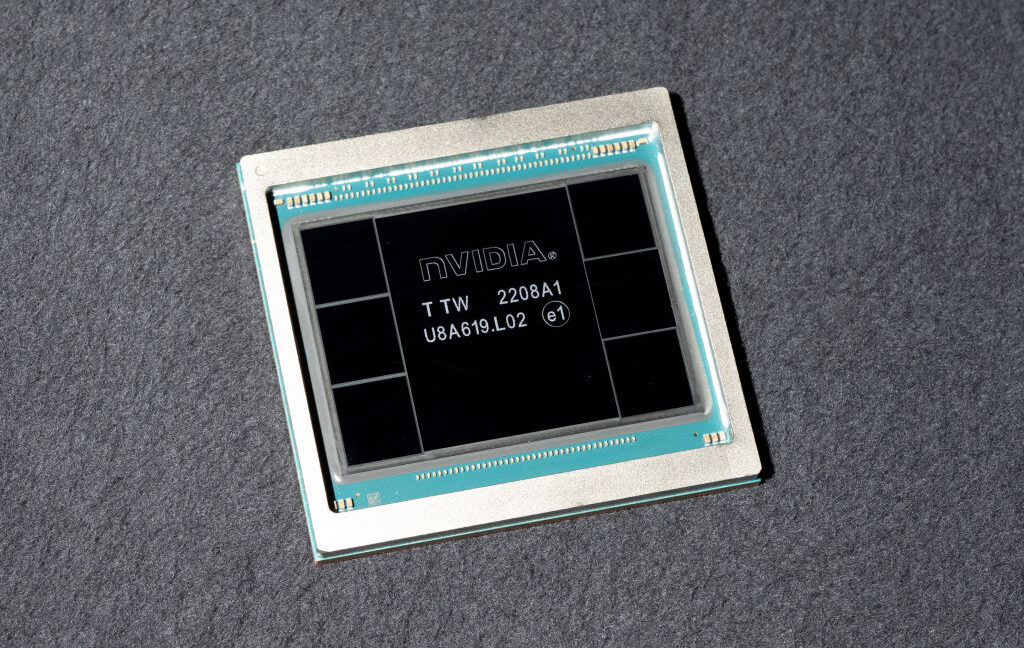
US arrests tech CEO accused of smuggling $300M in Nvidia chips into China
The US has arrested another suspect accused of smuggling high-end computer servers containing export-controlled Nvidia chips into China. In a press release on Thursday, the Department of Justice accused 38-year-old Greg Lui of using false paperwork to mask shipments of servers worth more than $300 million that he allegedly knew were ultimately destined for China. As the CEO of Earthmade Computer, Lui allegedly conspired with freight-forwarding firms in South Asian countries like Malaysia and Sin

Apple will limit Mac disk access as AI agents ‘substantially’ increase risk
Apple will add new limits for "full disk access" on Mac in response to risks posed by AI agents, as reported earlier by TechCrunch. In an update on Friday, Apple says it's rolling out new controls to "ensure that users who genuinely wish to grant an app this extraordinary level of access can only do so with very explicit user action." The change comes just weeks after Inc's Jason Aten found that Meta's Muse AI somehow knew the contents of his messages, despite not giving the ch