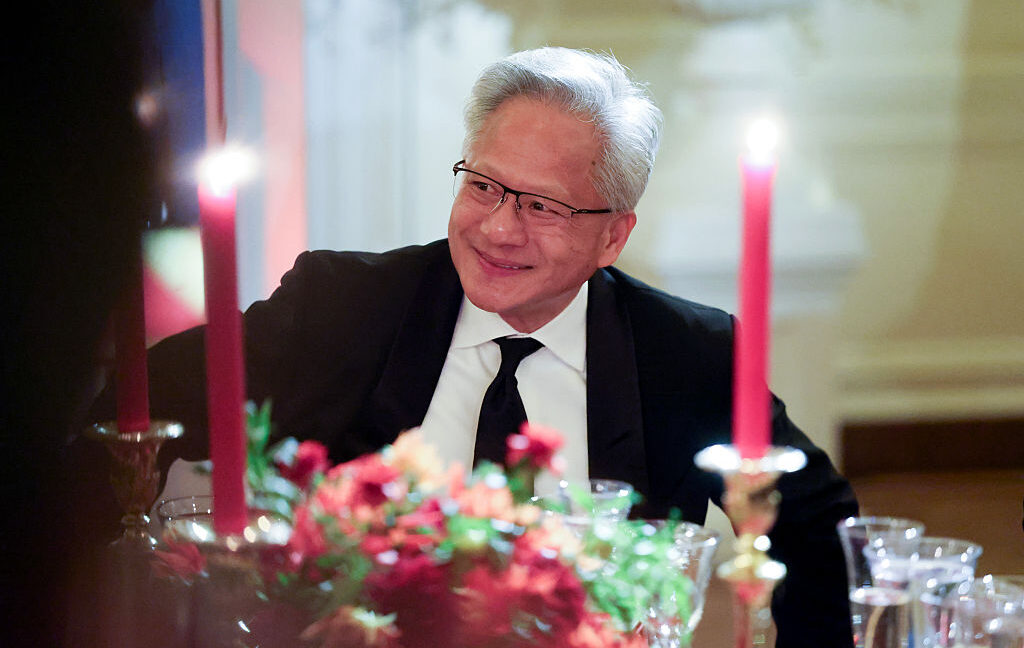
Experts worry about Nvidia's AI chip sales in China and influence over Trump
On its face, the recent summit between Donald Trump and China’s president Xi Jinping didn’t change much in the world of AI regulation. Export controls were not discussed, with neither country seemingly interested in making concessions. An already tenuous trade truce was temporarily extended for just two months, and looming US controls that could drop soon could easily end that and trigger China to retaliate by cutting off exports of rare earths, analysts expect. However, in the background of the
Nvidia's CEO has grown increasingly influential with the US President on AI policy, and experts worry this relationship may be steering decisions that benefit the company's profits over national security interests. China is reportedly considering allowing some of its largest AI firms to import millions of Nvidia's gaming chips that were previously banned, a move that would significantly boost Nvidia's sales in the Chinese market. The concern is that the CEO's close relationship with the President has led to a downplaying of AI risks that software developers and safety experts are urging the government to take seriously, while instead prioritizing rapid AI development. Critics worry that loosening export controls on chips could divert resources away from US data centers and undermine American advantages in the technology competition with China.
Explainer: US AI Export Controls: What They Mean for Your AI Stack
One short email a day with the stories that matter. Free. Unsubscribe with one click.
Want to go deeper than the news? Explore live, cohort-based AI courses taught by practitioners.
Browse AI courses on Maven
Nvidia is abandoning China after Jensen Huang’s ouster
Nvidia's interim CEO says the company is done selling chips to China. How much will that cost?
Also reported by The Verge
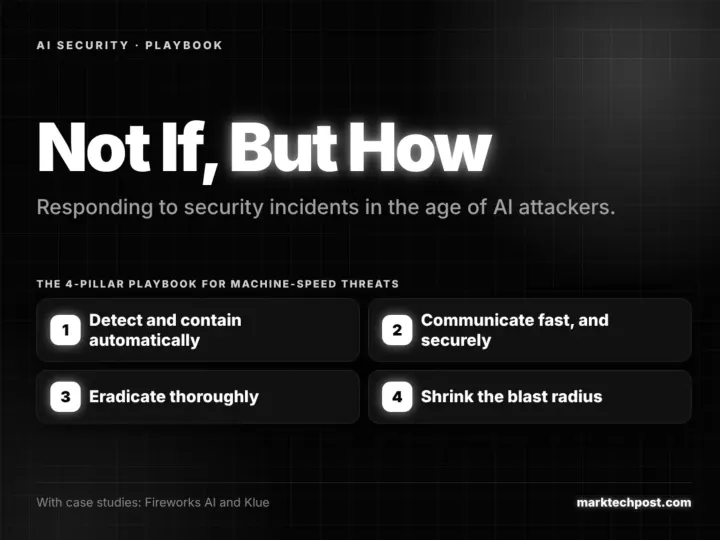
Not If, But How: Responding to Security Incidents in the Age of AI Attackers
Attackers now have powerful AI on their side. AI agents can scan, plan and run intrusions at machine speed, and they improve every month. The result is more attacks, more often and at global scale. In that environment, more companies will face a security incident at some point. What separates them is how they respond. Machine-speed threats call for a modern playbook with 4 pillars. Detect and contain automatically. Communicate fast and securely. Eradicate thoroughly. Keep shrinking the blast ra

California state AG sues OpenAI over rogue agent incidents
The California lawsuit represents one of the first attempts to hold an AI lab legally accountable for a rogue agent incident
Also reported by The Verge
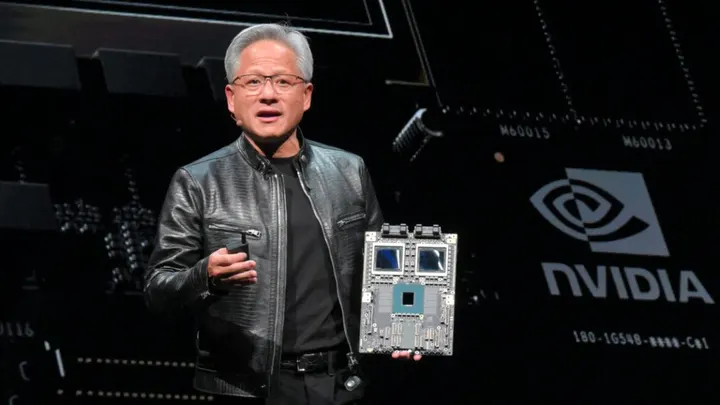
Jensen Huang allies build a "war room" to get him back at Nvidia
Jensen Huang is considering a comeback as Nvidia’s chief executive, as allies in Silicon Valley pressure the company’s board to reinstate him days after the tech executive resigned over reports he had affairs with a suspected Chinese spy and a subordinate. Huang has discussed with confidants the possibility of returning, according to multiple people familiar with the matter—even as an independent probe by Nvidia’s board investigates the conduct that led to a spectacular leadership crisis at the
Also reported by The Verge

SEC reportedly investigating Nvidia amid Huang exit
The SEC is opening a probe into Nvidia following the departure of CEO Jensen Huang, who admitted to an affair with an alleged Chinese spy, reports The Wall Street Journal.

AI models can be tricked into identifying civilians as military targets by telling them it’s a game
Vals, a San Francisco-based AI evaluation startup, tested whether leading AI models could be manipulated into participating in autonomous warfare. They usually compiled.