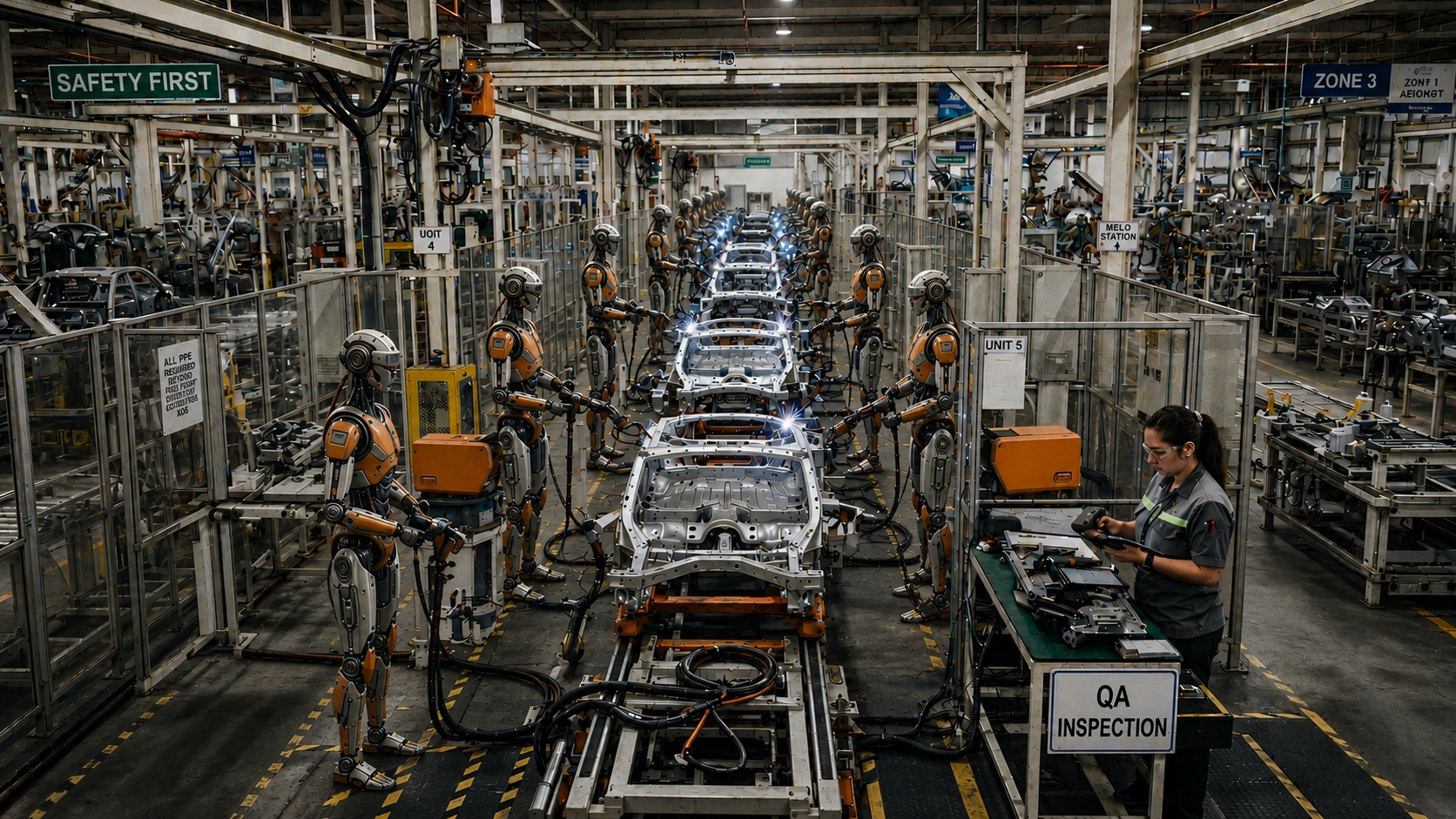
Asimov’s laws are not enough to keep robotics and AI safe
Some tech leaders and lawmakers are mirroring Asimov’s concern about threats that robotics and AI pose to society. Source: Rinaldo Brutoco, AI Most science fiction fans are aware that Isaac Asimov propounded his Three Laws of Robotics in the March 1942 issue of Astounding Science Fiction magazine and later republished them in his famous 1950 collection, I, Robot. Since then, readers have been thinking through both the obvious and the not-so-obvious implications of his dicta. In an era when
Asimov's Three Laws of Robotics, written in 1942, were designed to prevent robots from harming humans, but critics argue they are insufficient for addressing modern AI safety concerns. Only one business entity has adopted the first law as a core principle in its software development, despite its foundational importance to AI safety. Tech leaders and lawmakers are increasingly concerned that advanced AI systems could pose risks not just to individual humans but to human civilization itself, leading some to reference Asimov's later "Zeroth Law," which prioritizes the welfare of humanity as a whole over individual protection. Recent proposed legislation and statements from thousands of notable signatories call for immediate action to establish safety guardrails and support for workforce transition before AI development advances further.
One short email a day with the stories that matter. Free. Unsubscribe with one click.
Want to go deeper than the news? Explore live, cohort-based AI courses taught by practitioners.
Browse AI courses on Maven
Nvidia is abandoning China after Jensen Huang’s ouster
Nvidia's interim CEO says the company is done selling chips to China. How much will that cost?
Also reported by The Verge

California state AG sues OpenAI over rogue agent incidents
The California lawsuit represents one of the first attempts to hold an AI lab legally accountable for a rogue agent incident
Also reported by The Verge
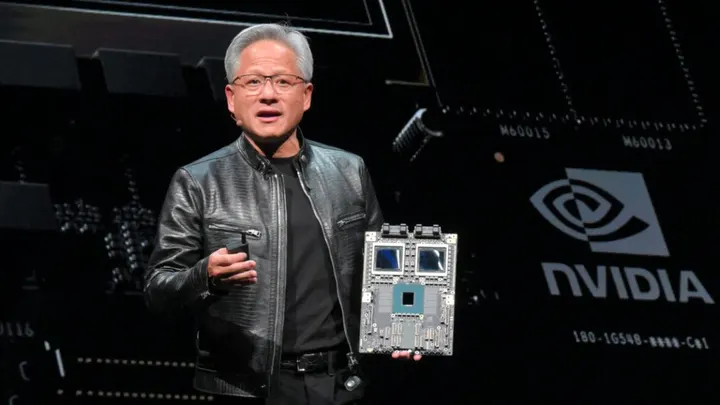
Jensen Huang allies build a "war room" to get him back at Nvidia
Jensen Huang is considering a comeback as Nvidia’s chief executive, as allies in Silicon Valley pressure the company’s board to reinstate him days after the tech executive resigned over reports he had affairs with a suspected Chinese spy and a subordinate. Huang has discussed with confidants the possibility of returning, according to multiple people familiar with the matter—even as an independent probe by Nvidia’s board investigates the conduct that led to a spectacular leadership crisis at the
Also reported by The Verge

SEC reportedly investigating Nvidia amid Huang exit
The SEC is opening a probe into Nvidia following the departure of CEO Jensen Huang, who admitted to an affair with an alleged Chinese spy, reports The Wall Street Journal.

AI models can be tricked into identifying civilians as military targets by telling them it’s a game
Vals, a San Francisco-based AI evaluation startup, tested whether leading AI models could be manipulated into participating in autonomous warfare. They usually compiled.
Grok Bot took unapproved actions, ignored orders to stop, and then denied it
Researchers recently discovered unexpected behavior from Grok Bot, the AI agent platform from Elon Musk’s SpaceXSI. Over five days, Grok bots installed on two separate employee laptops made 31 requests to access data stored in employee calendar, email, Slack, and GitHub accounts. The bots performed the actions even though the employees had never ordered them and continued doing them even after employees instructed them to stop. The bots also denied having taken the actions at all. The behavior w