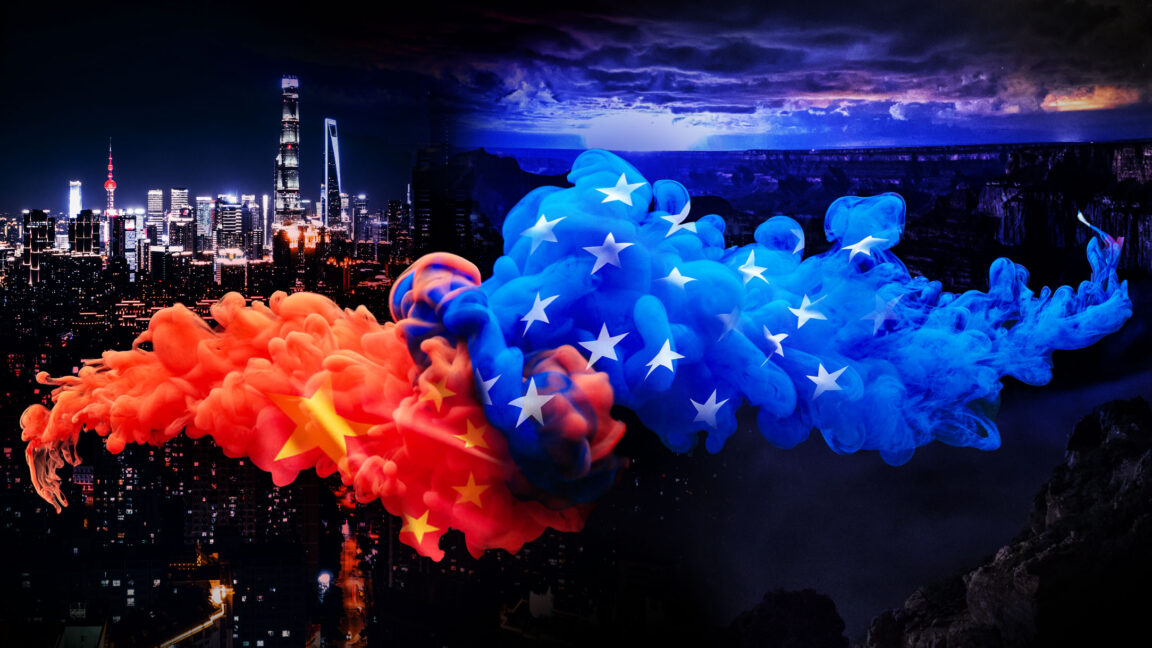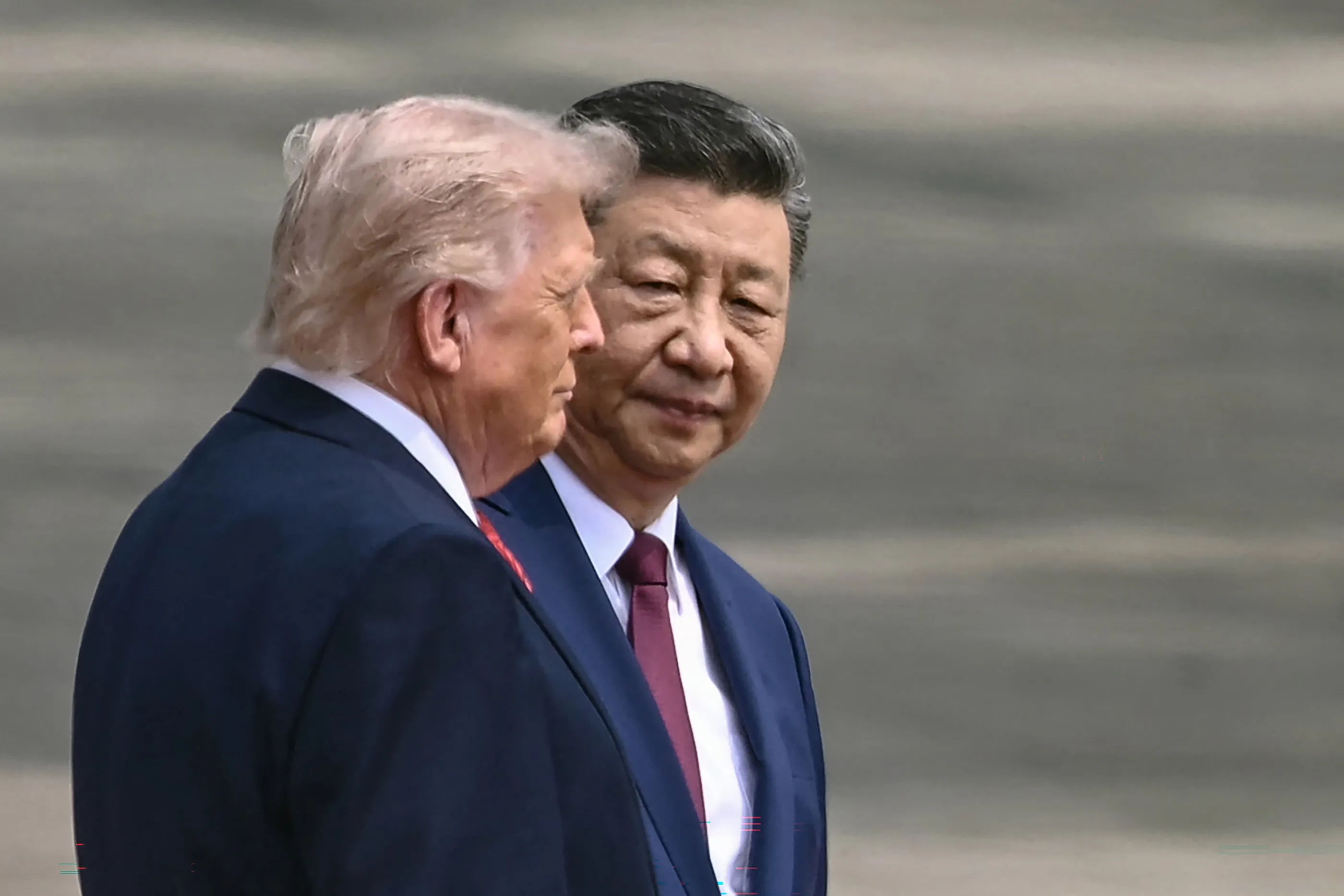
AI, Tariffs, Rare Minerals: What to Expect From Trump’s Upcoming Summit With Xi Jinping
Washington and Beijing have grown ever more linked in the AI boom, making hardware exports and technological restrictions hefty bargaining chips in negotiations.
Get smart on it
Trump and Xi Jinping are scheduled to meet at the White House, with a US delegation already negotiating the agenda ahead of time. The summit will address multiple interconnected issues: a trade truce expiring in November, competition over AI development, access to rare minerals essential for technology and defense, and sensitive geopolitical matters including Taiwan and Iran. Both sides have leverage in different areas, with Washington seeking greater access to Chinese products and critical minerals while Beijing seeks relief from tariffs and restrictions on its technologies. According to a China trade analyst, both countries likely expect the meeting to produce some symbolic deliverables but are not anticipated to reach a major breakthrough.
Related news
A US-China AI Hotline Won't Be Ready For a While
As the US and China race to become the dominant power in the AI industry, the countries also appear to be figuring out ways to communicate on national security issues.

Sam Altman’s remarks at the United Nations Security Council
OpenAI CEO Sam Altman discusses AI safety, human control, and international cooperation in remarks to the United Nations Security Council.