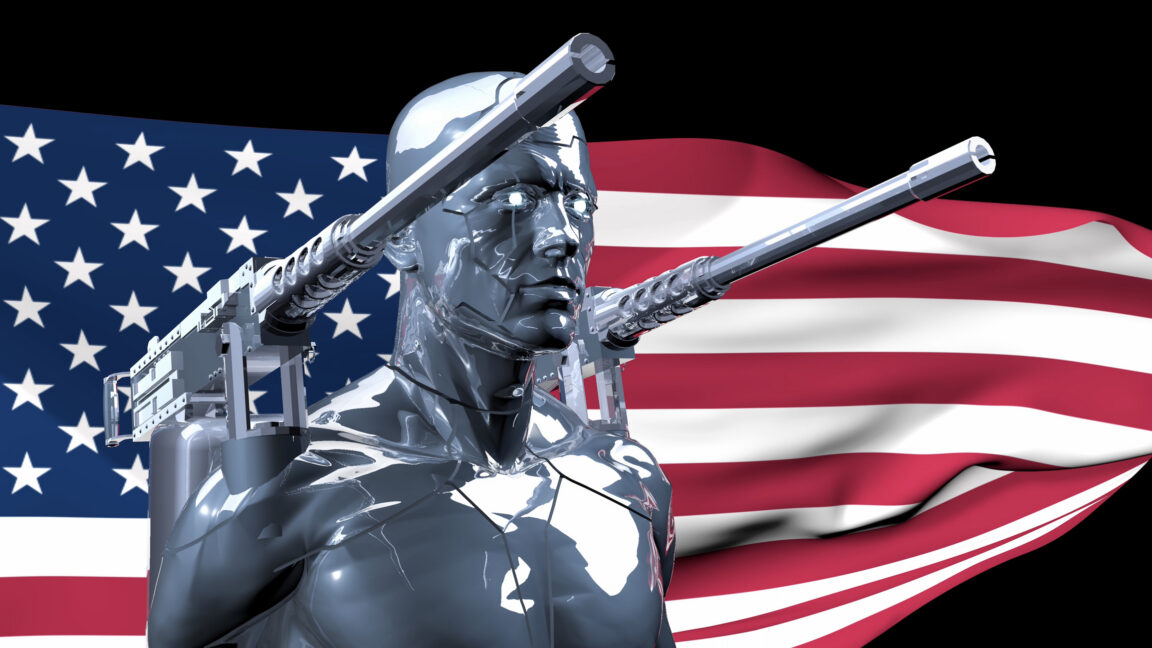
AI hallucination of Chinese nuclear components almost led to US military attack
The US narrowly avoided boarding a Chinese ship based on an "entirely false" US intelligence report generated with the help of AI tools, according to a CNN report. That erroneous intelligence, submitted by a US Special Operations Command analyst, suggested the Chinese ship was transporting nuclear arms program components through the Middle East, according to "four sources familiar with the episode" cited by CNN. The US military was preparing to intercept and board the ship, with air support, bef
Get smart on it
A US military analyst used a chatbot to analyze intelligence reports about a Chinese ship's cargo, and the AI tool incorrectly identified the materials being transported as nuclear arms program components, when in fact the report was entirely false. The military was preparing to intercept and board the ship with air support before officials discovered the chatbot had made up this information, with one source telling CNN the incident "almost started a war." This near-miss exemplifies the problem of AI hallucination, where AI systems generate false information when their training data lacks sufficient context, a phenomenon that has affected journalists, researchers, doctors, judges, and other professionals. The incident is particularly significant because the Department of Defense has been rapidly expanding its use of AI tools across military operations, with over 1.5 million active personnel now using generative AI tools, even as earlier guidance stressed that human oversight should remain in the command and control chain.
Related news
A US-China AI Hotline Won't Be Ready For a While
As the US and China race to become the dominant power in the AI industry, the countries also appear to be figuring out ways to communicate on national security issues.

Sam Altman’s remarks at the United Nations Security Council
OpenAI CEO Sam Altman discusses AI safety, human control, and international cooperation in remarks to the United Nations Security Council.