Agility outlines six recommendations for U.S. humanoid robot policies
In recent years, humanoid robots have been slowly making their way out of the lab and into real industrial environments, doing real labor. Agility Robotics, a humanoid developer that has helped to lead this change, believes it’s inevitable that humanoids will be helping fill in labor gaps. But, will the U.S. be leading the charge? In a recent video, Peggy Johnson, CEO of Agility, said the U.S. needs a focused policy framework that can strengthen and accelerate what’s already working for t
Get smart on it
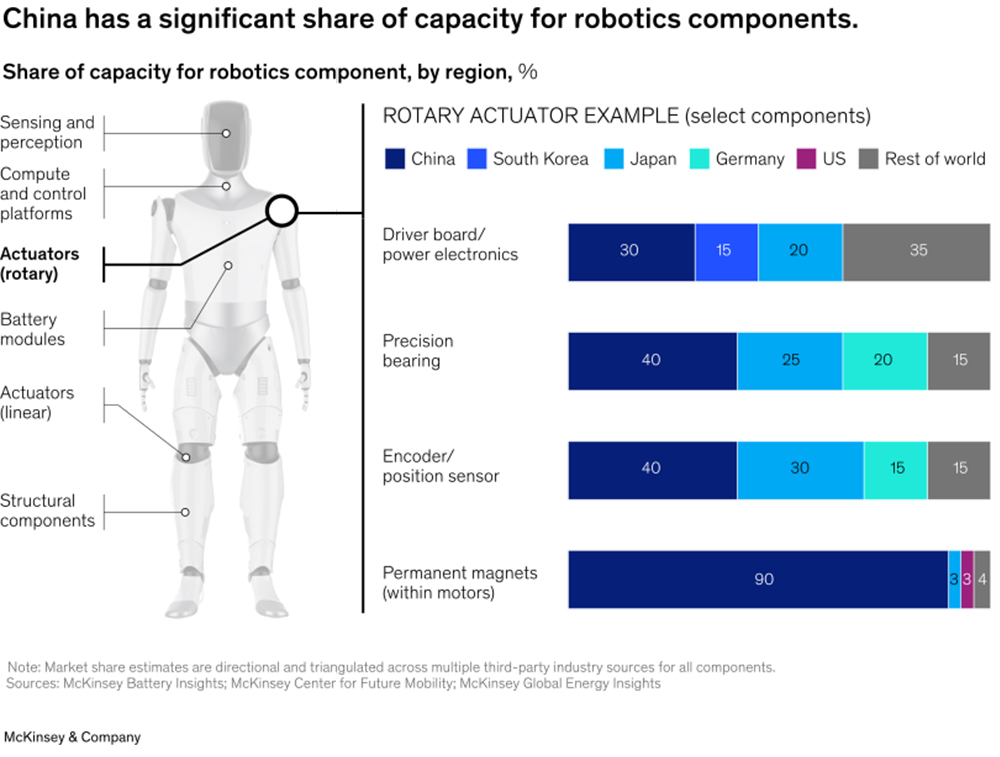
The CEO of Agility Robotics has outlined six policy recommendations for the U.S. government to support the humanoid robot industry. The recommendations address sourcing of key components domestically, developing a coordinated national strategy, establishing safety standards, supporting workforce development, lowering automation costs for small manufacturers, and creating clear government procurement pathways. This matters because humanoid robots are beginning to operate in real industrial environments, and without focused policy action, the U.S. risks losing technological leadership to other countries like China, which has already invested heavily in humanoid robot manufacturing and commercialization.
Related news

San Francisco Demands Apple and Google Delete AI ‘Nudify’ Apps From App Stores
The City Attorney’s Office sent the tech giants cease-and-desist letters this week telling them to stop profiting from 13 “face-swap” apps that are overwhelmingly used to target women and girls.

Why Apple Sued OpenAI, New York Takes on Data Centers, and What to Know about Cyclosporiasis
On today’s Uncanny Valley, we unpack OpenAI’s ongoing drama, both legal and reputational, and whether these developments could further hurt the company—particularly in its fight against Anthropic.