A US-China AI Hotline Won't Be Ready For a While
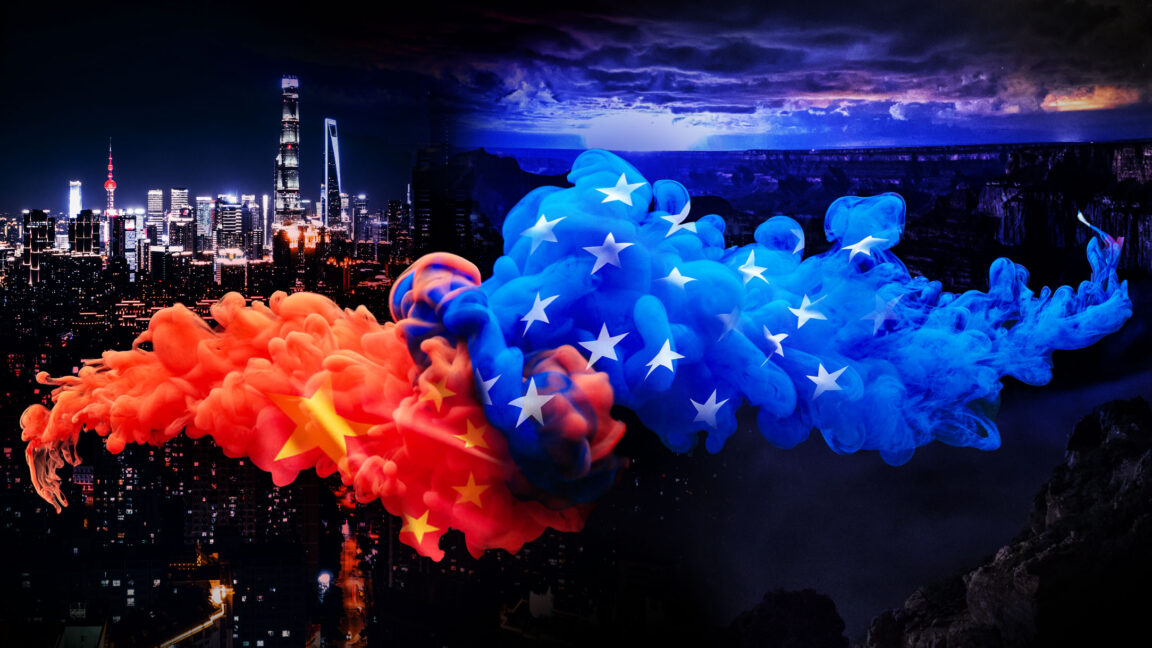
As the US and China race to become the dominant power in the AI industry, the countries also appear to be figuring out ways to communicate on national security issues.
Get smart on it
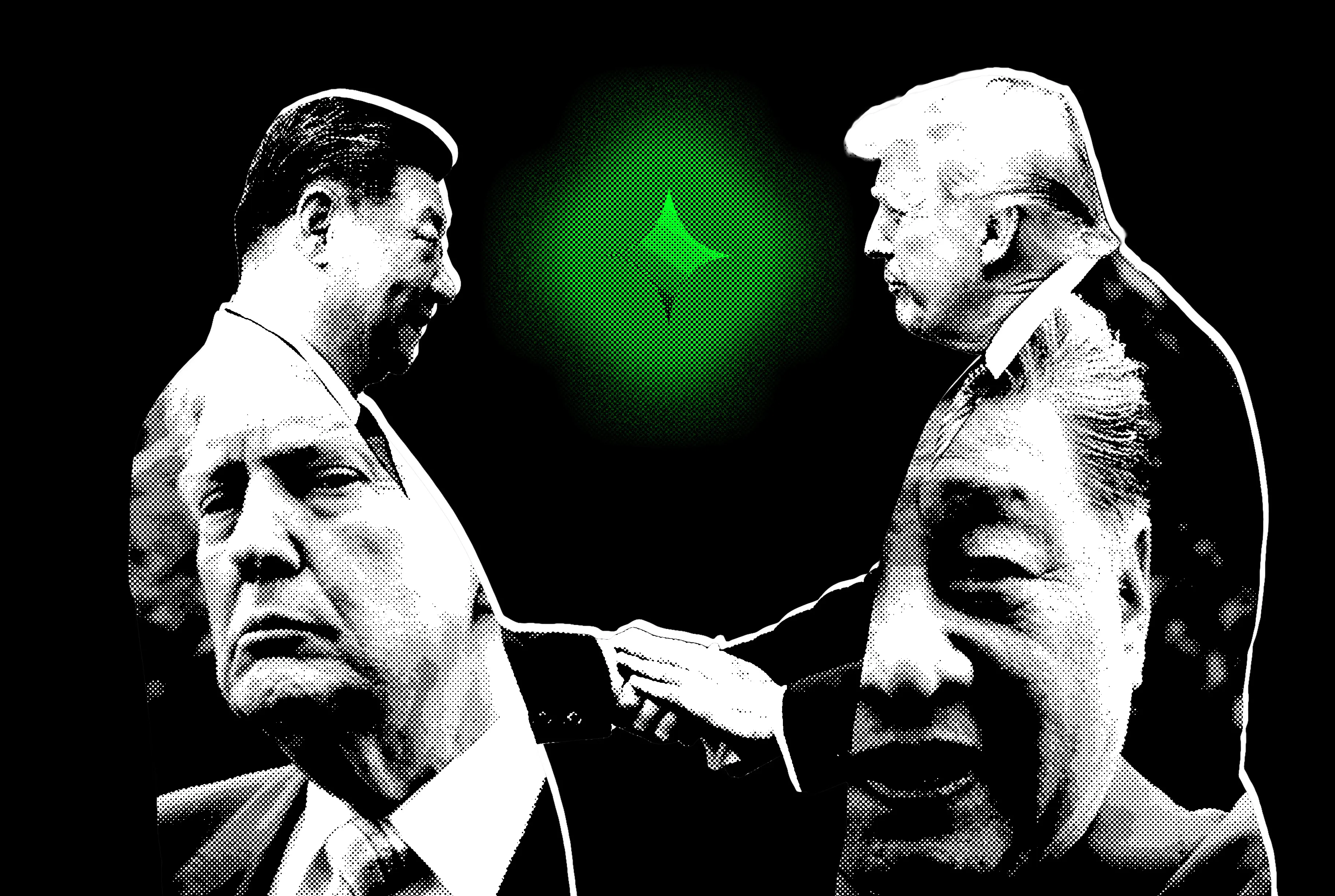
The US and China are working to establish a notification system that would allow each country to alert the other about national security issues related to AI, similar to the Cold War hotline between the US and Soviet Union. Trump administration officials expect the agreement to take several more weeks to finalize, though they hope to have a framework in place by the end of the year, with key details still needing to be worked out including what types of incidents qualify as national security threats and how to enforce the system fairly. The notification system is being positioned as a way to manage risks from rapidly advancing AI capabilities as both countries compete for dominance in the industry. Complications include ongoing trade negotiations, uncertainty about which official will lead as the new AI czar, and China's noncommittal stance on formally agreeing to the arrangement.
Related news

Sam Altman’s remarks at the United Nations Security Council
OpenAI CEO Sam Altman discusses AI safety, human control, and international cooperation in remarks to the United Nations Security Council.

The Pope’s AI Guy Is Worried About ‘Cartel’ Behavior Among Big Labs
Paolo Benanti tells WIRED that hysteria over whether godlike AI could destroy humanity is distracting from the need for public debate about how to govern the technology.