Meta’s Muse just stole the AI spotlight from OpenAI and Anthropic
When AI leaders at OpenAI and Anthropic started talking about “pacing the frontier,” maybe someone should have asked: what pace? Now it’s turned into model drop week for both companies as Anthropic rolled out Opus 5.5, followed by OpenAI’s GPT-6 model updates just 90 minutes later. But the company that stole the spotlight was Meta, whose personal AI agent Muse is reportedly outpacing ChatGPT’s early numbers and is he
Get smart on it
Meta's personal AI agent called Muse has become the focus of attention in the AI industry, reportedly outpacing ChatGPT's early adoption numbers and plans to expand to smart glasses and a small wearable device. This matters because it represents a shift in competitive momentum, as Anthropic and OpenAI recently released new model updates in quick succession, but Meta captured industry spotlight with its consumer AI strategy instead. The context involves broader competition among AI companies over which AI products will become part of people's daily lives and where investment money flows in the AI sector.
Related news
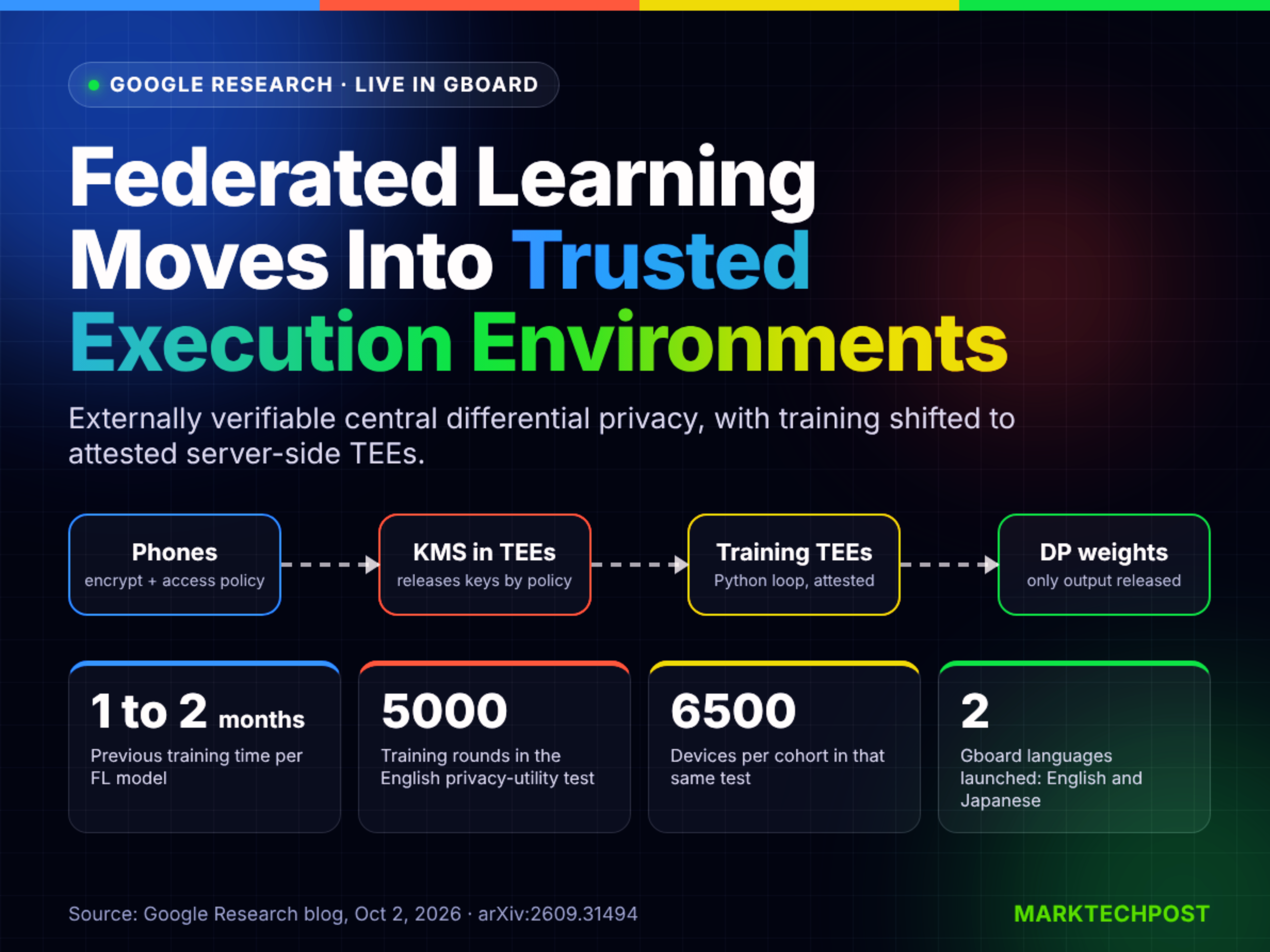
Google Research Moves Federated Learning Into TEEs: Gboard Now Trains With Externally Verifiable Differential Privacy
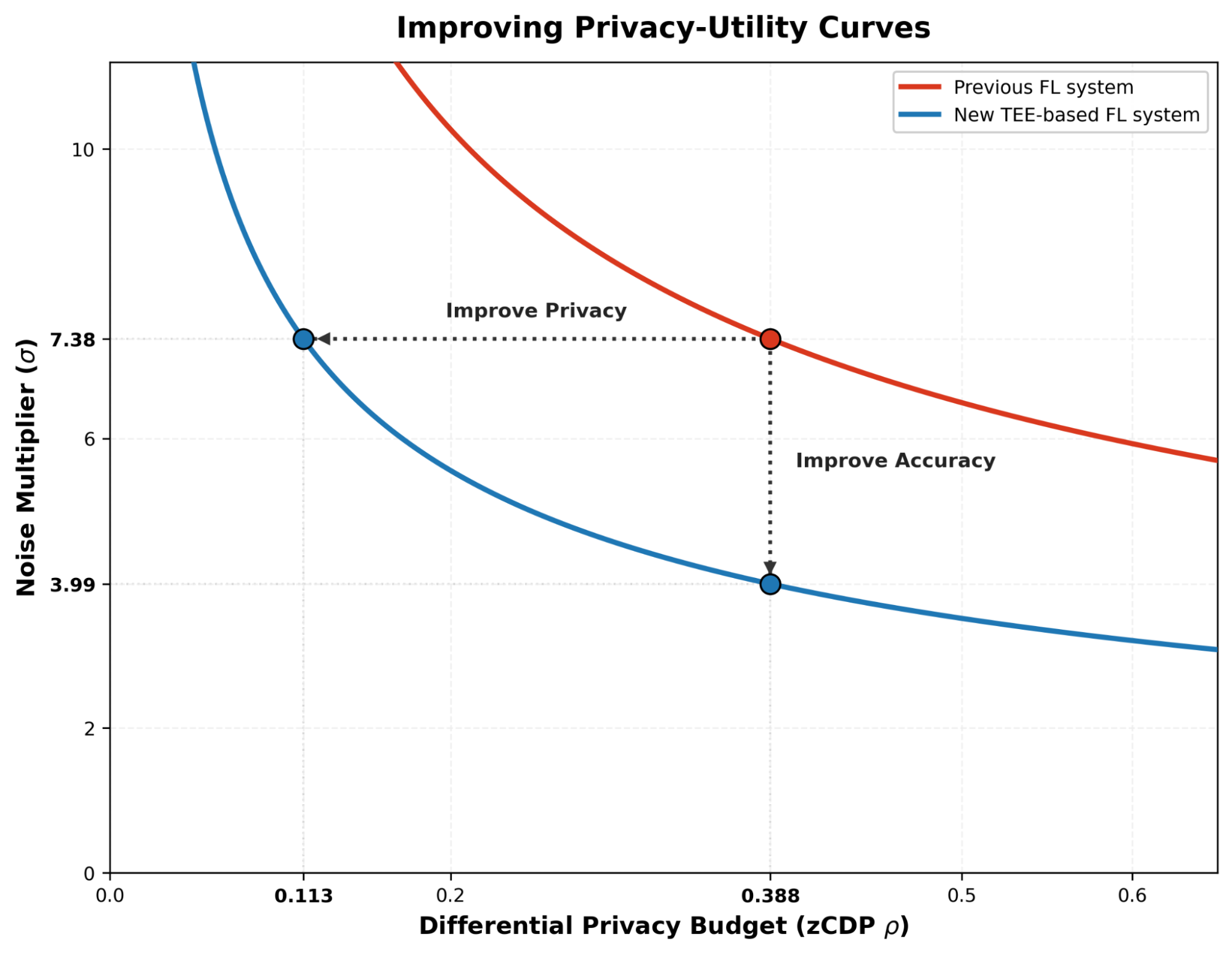
Google Research has announced a next-generation Federated Learning (FL) system built on Trusted Execution Environments (TEEs). The research team claims externally verifiable central differential privacy (DP) guarantees for FL for the first time. What Problem Does TEE-Based Federated Learning Solve? Google introduced Federated Learning FL in 2017. It powers next-word prediction and Smart Compose on Gboard, reply suggestions in Google Messages, and Smart Text Selection in Android. Earli
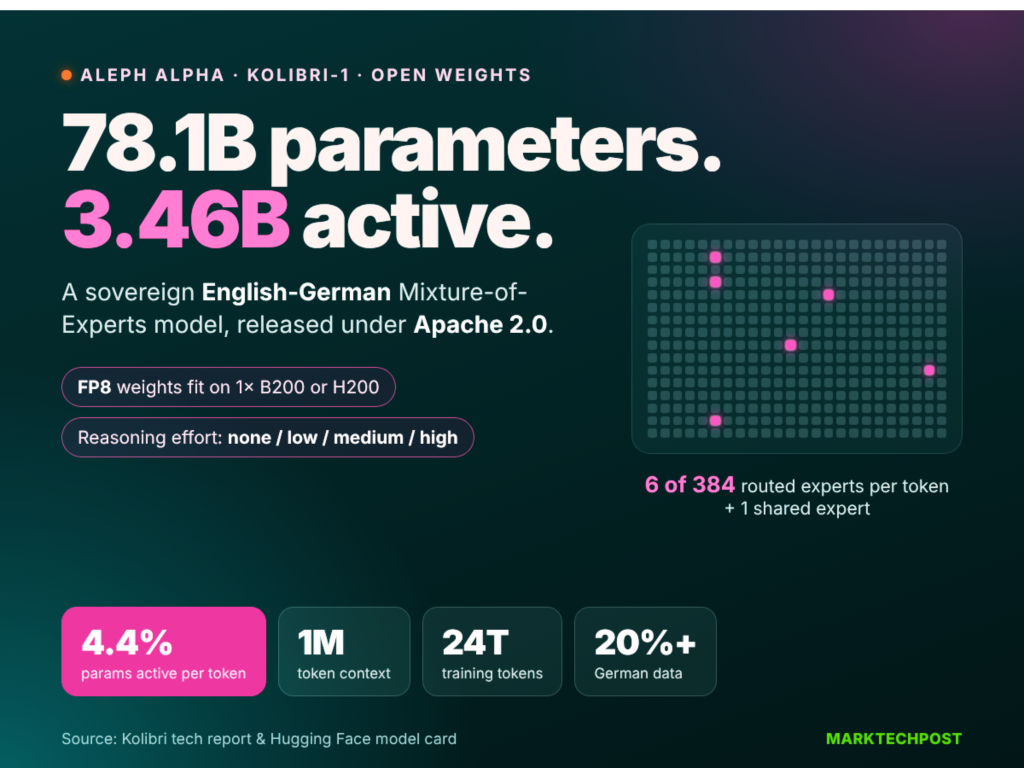
Aleph Alpha Releases Kolibri: A 78.1B Open-Weight English-German MoE Model With Only 3.46B Active Parameters
Aleph Alpha has released Kolibri, an open-weight Mixture-of-Experts (MoE) language model built for German and English. Kolibri has 78.1B total parameters but activates only 3.46B, or 4.4%, per token. It accepts up to 1,048,576 tokens of context, lets users set reasoning effort per request, and ships under the Apache 2.0 license on Hugging Face. The target is sovereign deployment in regulated sectors such as public administration, industry and aerospace. Is it deployable? Yes. The FP8 checkpo