BottleCap AI Releases ThinkingCap-Qwen3.8-27B: 37.2% Fewer Thinking Tokens at a 0.86pp Accuracy Cost
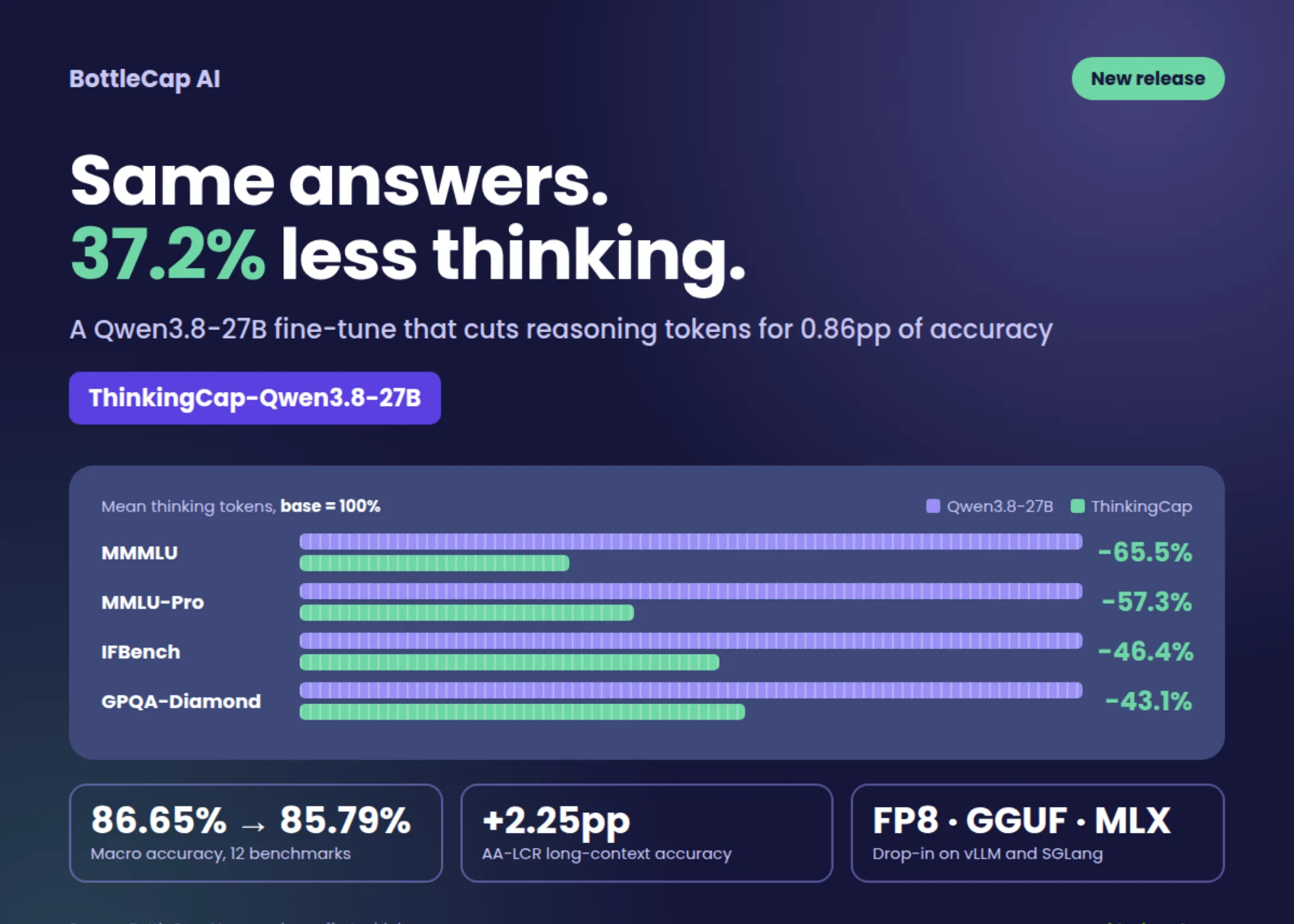
BottleCap AI has released ThinkingCap-Qwen3.8-27B, the second model in its ThinkingCap series. It is a fine-tune of the Qwen team’s Qwen3.8-27B with one narrow goal: shorter reasoning traces. Across 12 benchmarks, it spends 37.2% fewer thinking tokens on average. Macro-average accuracy moves from 86.65% to 85.79%, a 0.86pp drop. Deployable? Yes. It drops in for Qwen3.8-27B on vLLM or SGLang, with FP8, NVFP4, GGUF and MLX builds. The repo is gated, and commercial use beyond the small-b
Get smart on it
BottleCap AI has released a fine-tuned version of a reasoning model that uses 37.2% fewer thinking tokens on average across 12 benchmarks, though accuracy drops by 0.86 percentage points. Reasoning models spend computational tokens on internal reasoning steps before producing answers, and this model is designed to eliminate excess thinking tokens that do not change the final result. The trade-off varies by task: long-context retrieval actually improves while performance on math problems like AIME 2026 declines more significantly. The model is deployable as a drop-in replacement for the base model on common serving frameworks and is available under a restricted license requiring a BottleCap agreement for commercial use beyond small business.
Related news
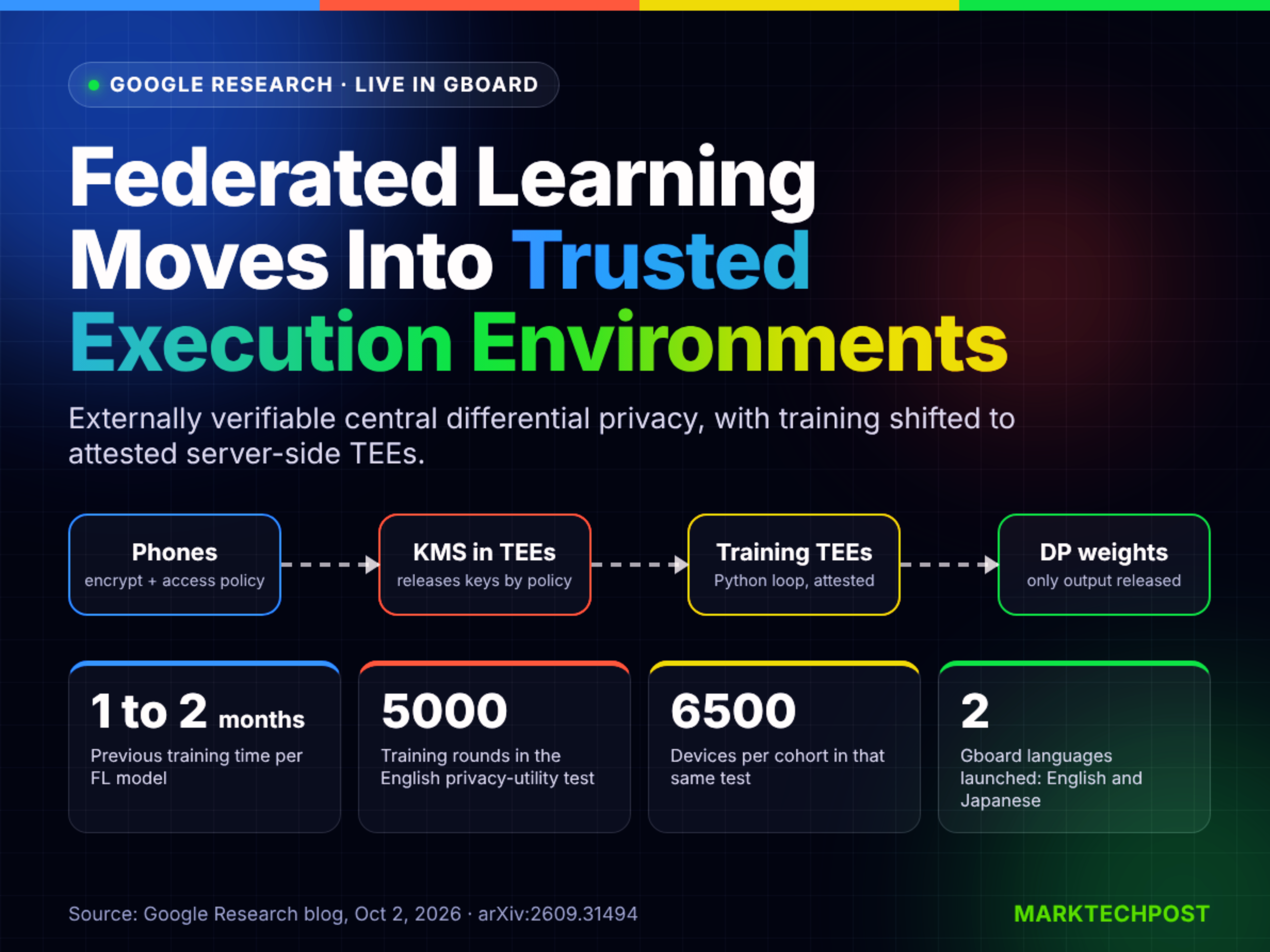
Google Research Moves Federated Learning Into TEEs: Gboard Now Trains With Externally Verifiable Differential Privacy
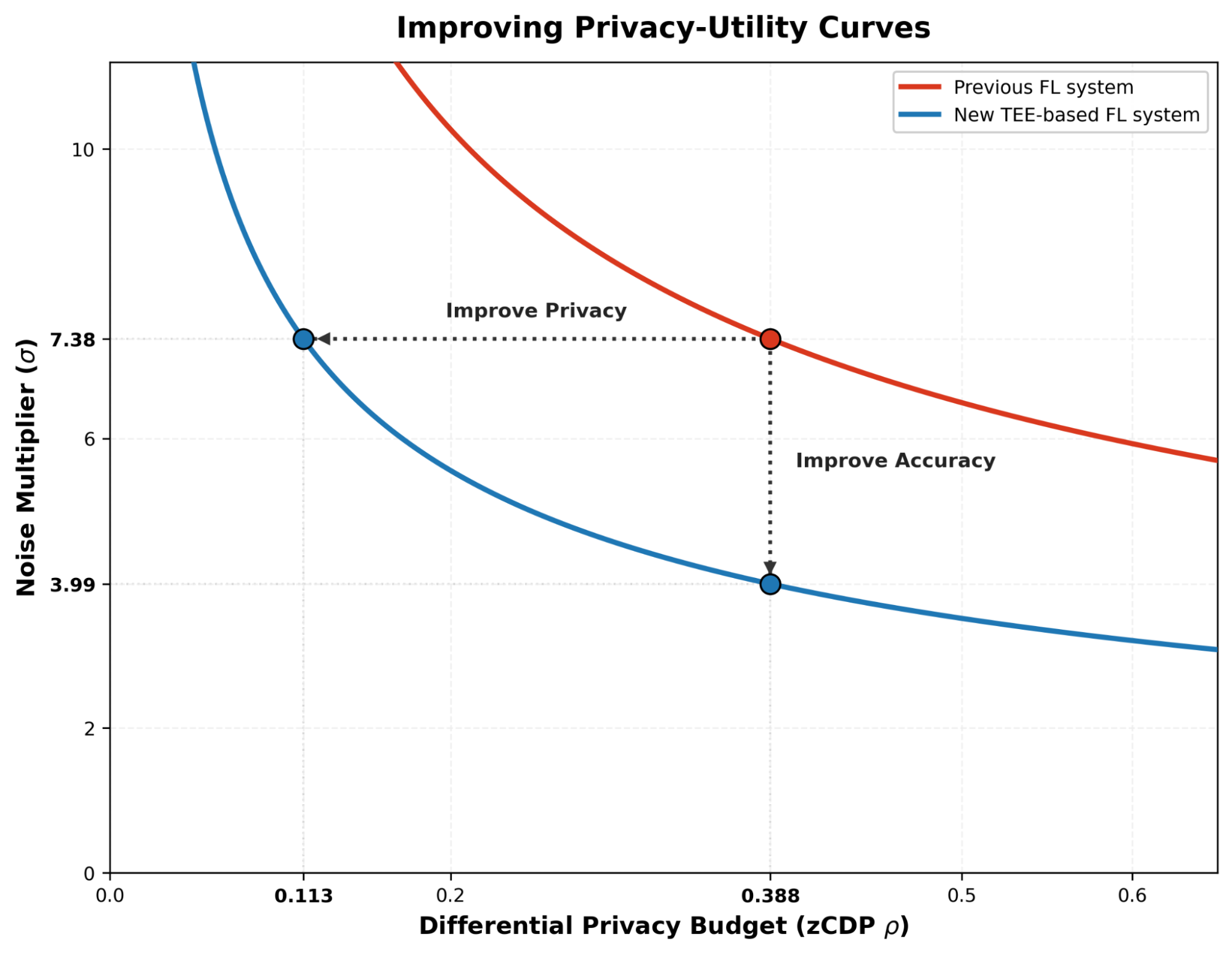
Google Research has announced a next-generation Federated Learning (FL) system built on Trusted Execution Environments (TEEs). The research team claims externally verifiable central differential privacy (DP) guarantees for FL for the first time. What Problem Does TEE-Based Federated Learning Solve? Google introduced Federated Learning FL in 2017. It powers next-word prediction and Smart Compose on Gboard, reply suggestions in Google Messages, and Smart Text Selection in Android. Earli
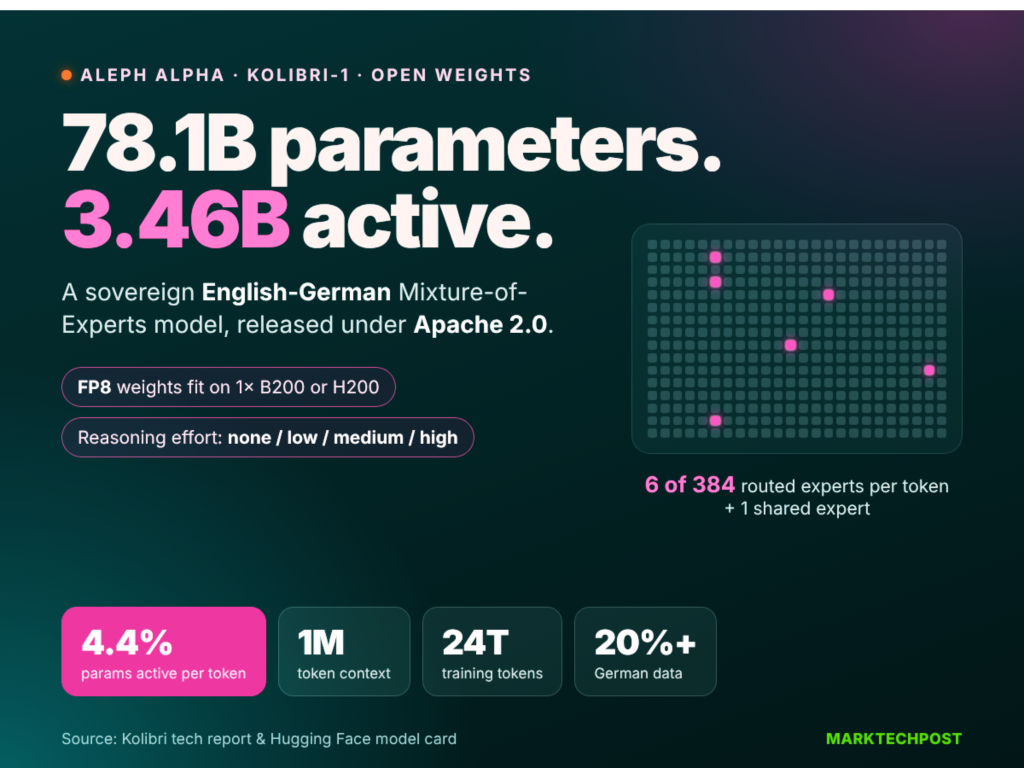
Aleph Alpha Releases Kolibri: A 78.1B Open-Weight English-German MoE Model With Only 3.46B Active Parameters
Aleph Alpha has released Kolibri, an open-weight Mixture-of-Experts (MoE) language model built for German and English. Kolibri has 78.1B total parameters but activates only 3.46B, or 4.4%, per token. It accepts up to 1,048,576 tokens of context, lets users set reasoning effort per request, and ships under the Apache 2.0 license on Hugging Face. The target is sovereign deployment in regulated sectors such as public administration, industry and aerospace. Is it deployable? Yes. The FP8 checkpo