Asian AI startups launch Mythos-like models as Anthropic’s export ban drags on
New models are launching in Asia that promise Mythos-like capabilities without fear of an export ban. U.S. AI labs may never recover this enormous market.
Get smart on it
The U.S. government has banned exports of certain advanced AI models from a major American AI company, preventing non-Americans from accessing them. In response, AI startups in Asia have launched their own competing models designed to work well with local languages and reduce reliance on restricted U.S. technology. One Tokyo-based startup described its new model as a hedge against the risk of losing access to American AI, while a Chinese firm positioned its new security-focused tools as addressing concerns about unequal access to advanced capabilities. The export restrictions have created an opportunity for local alternatives to fill the gap left by restricted U.S. products.
Related news
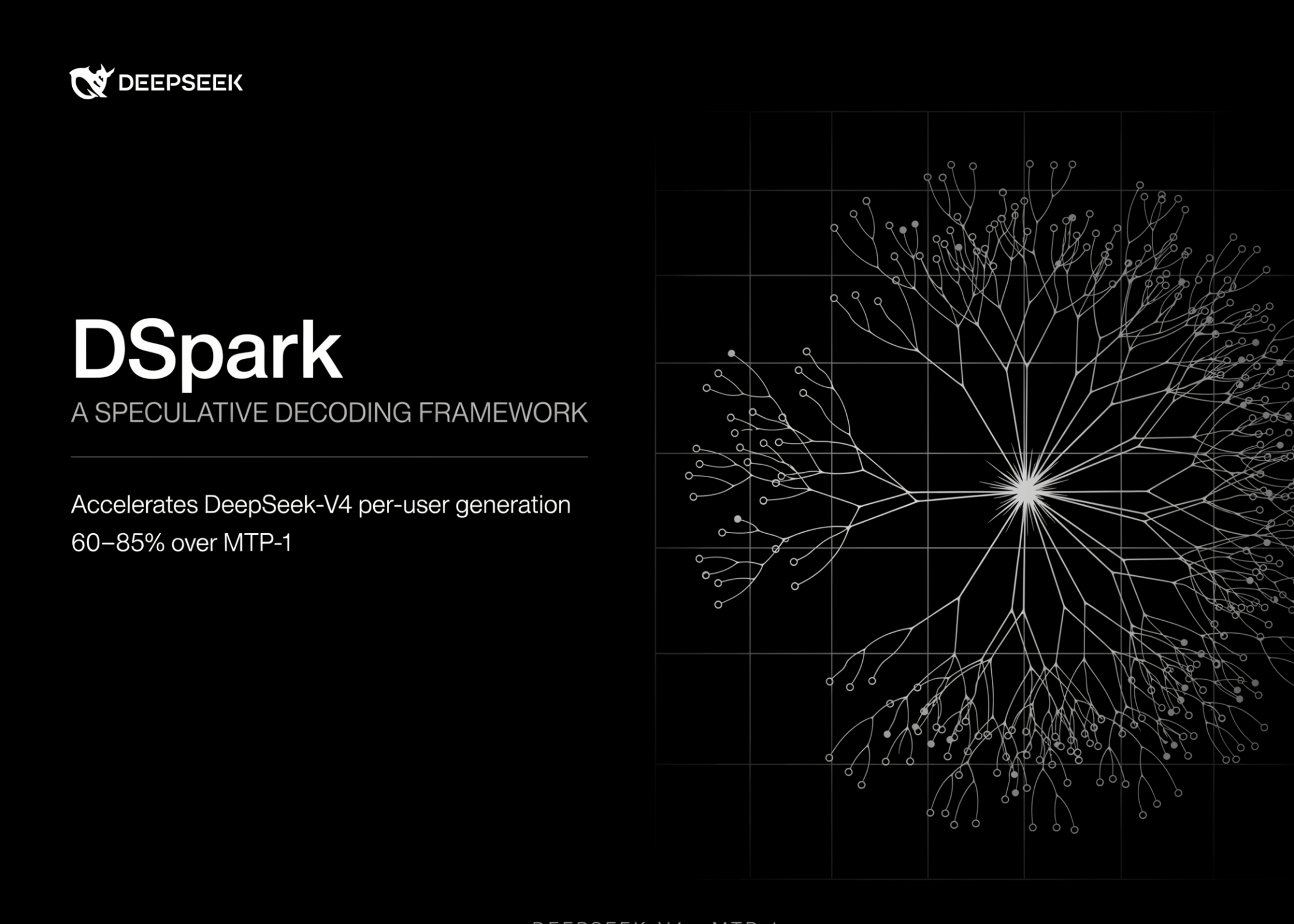
DeepSeek Releases DSpark, a Speculative Decoding Framework That Accelerates DeepSeek-V4 Per-User Generation 60–85% Over MTP-1
DeepSeek released DSpark, a speculative decoding framework, with open-source checkpoints and training code. It is a serving optimization, not a new model. The checkpoints DeepSeek-V4-Pro-DSpark and DeepSeek-V4-Flash-DSpark reuse the existing V4 weights, with a draft module attached. The DeepSeek research team also open-sourced DeepSpec, an MIT-licensed codebase for training and evaluating speculative decoding drafters. The work targets one problem: faster large-model inference in busy produc
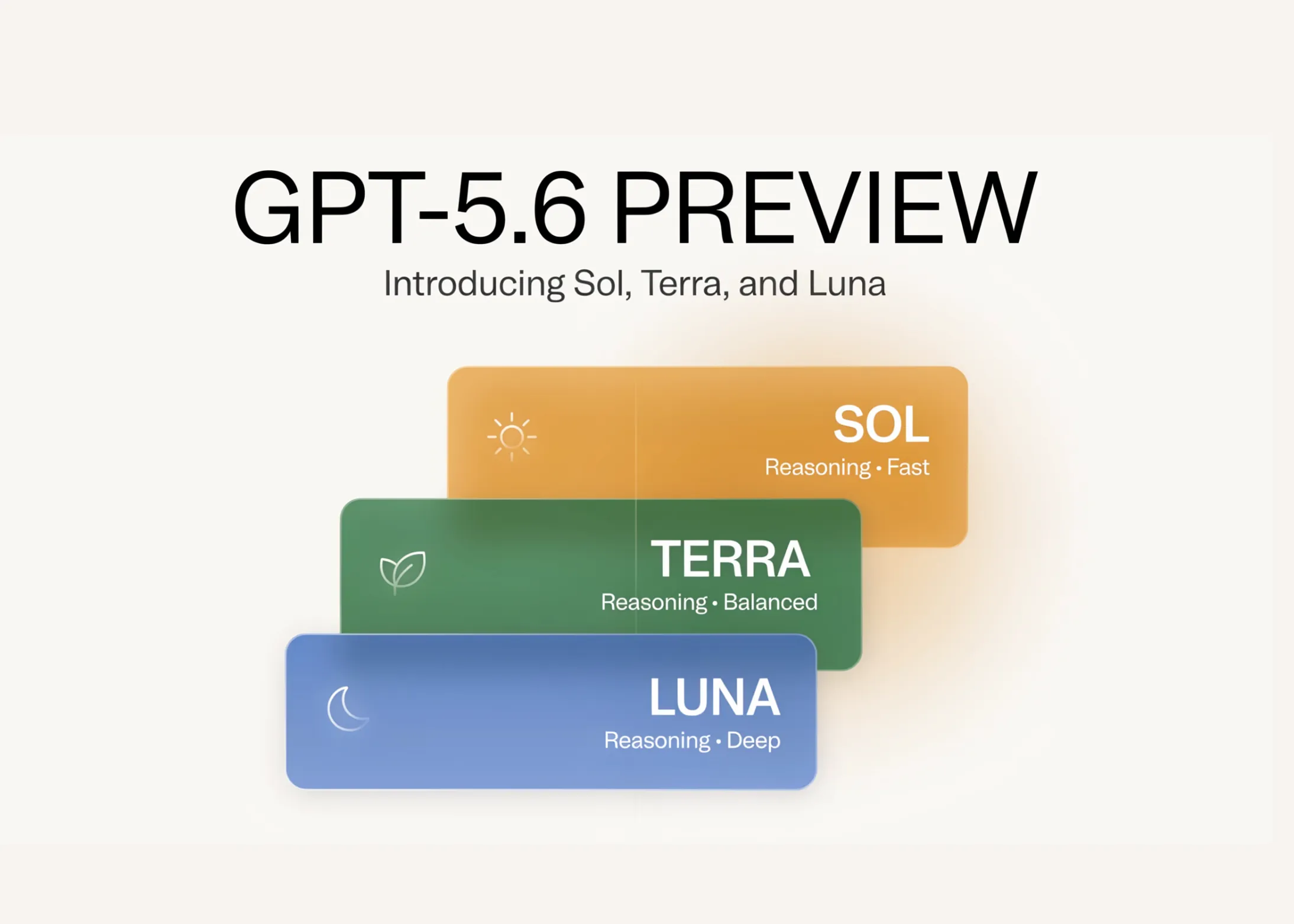
OpenAI Previews GPT-5.6 With Sol, Terra, and Luna: Tiered Models, New Reasoning Modes, Limited Access
OpenAI has begun a limited preview of GPT-5.6, its next-generation model series. The lineup splits into three named tiers: Sol, Terra, and Luna. Sol is the flagship. Terra targets everyday production work. Luna is the fast, low-cost option. OpenAI is starting with a small group of trusted partners through the API and Codex. According to OpenAI post, they shared the models and plans with the U.S. government first. Broader access in ChatGPT, Codex, and the API is planned in the coming weeks.