Anthropic Releases Claude Sonnet 5.5: 70.6% on Terminal-Bench 4.0 at the Same $2/$10 Price
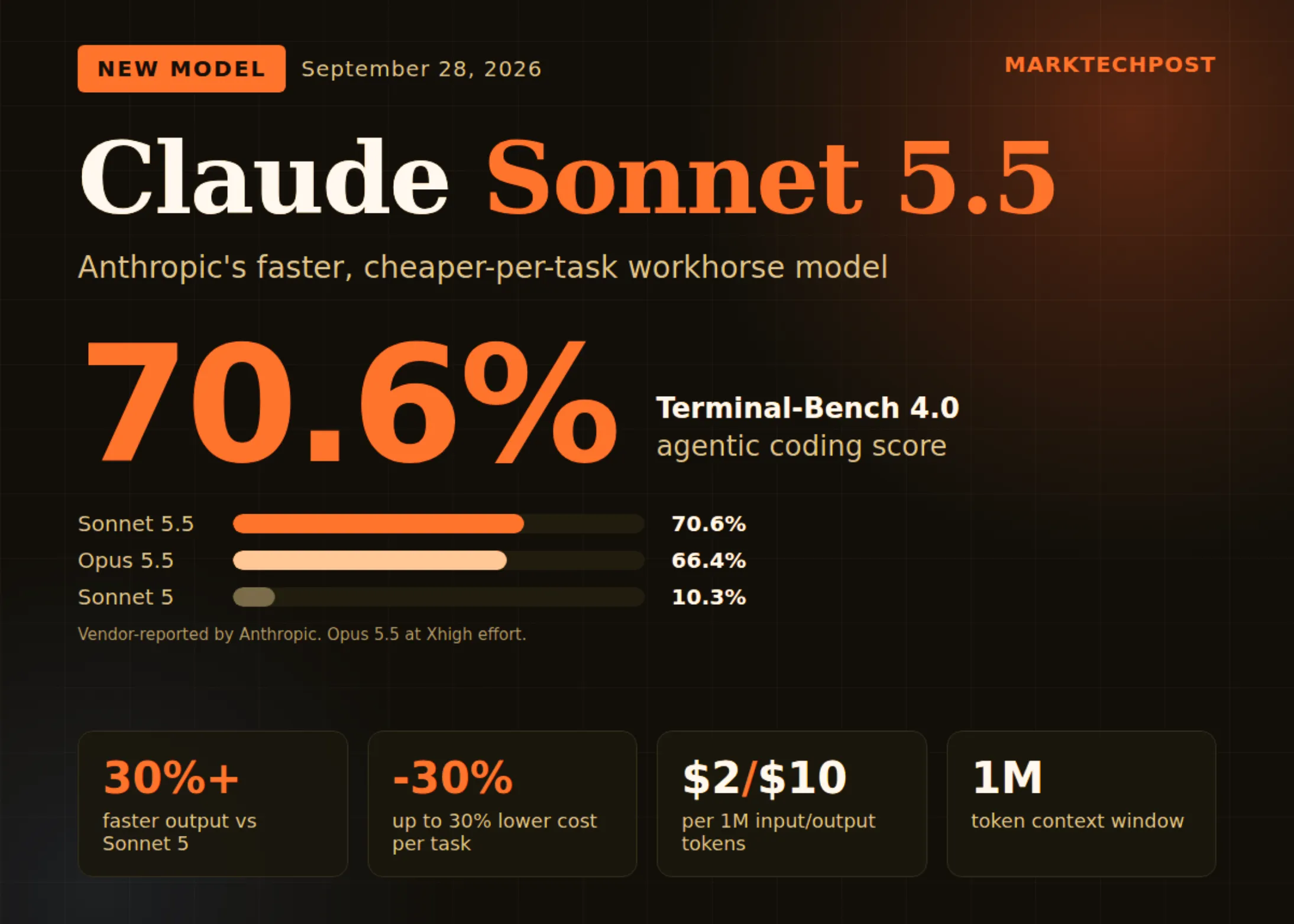
Anthropic just released Claude Sonnet 5.5. It is the second model in the Claude 5.5 family, following Claude Opus 5.5. Anthropic positions it as a faster, lower-cost complement to Opus 5.5. It targets well-scoped everyday tasks, bug fixing, and polished documents, slides, and spreadsheets. Is it deployable? Yes, It is live on the Claude Platform as claude-sonnet-5-5, plus AWS, Google Cloud, and Microsoft Azure. It is a closed-weights model, so self-hosting is not an option. What Changed
Get smart on it
Anthropic released Claude Sonnet 5.5, a language model positioned as a faster, lower-cost alternative to its more powerful Opus 5.5 model for everyday tasks like bug fixing and document creation. The new model maintains the same pricing as its predecessor at $2 per million input tokens and $10 per million output tokens, but achieves up to 30% lower cost per task through improved efficiency requiring fewer tokens and tool calls. Sonnet 5.5 shows substantial performance gains on benchmarks, scoring 70.6% on Terminal-Bench 4.0 compared to 10.3% for the previous Sonnet 5, and performs nearly as well as Opus 5.5 on other measures. The model is available now through multiple platforms including the Claude API, AWS, Google Cloud, and Microsoft Azure.
Related news
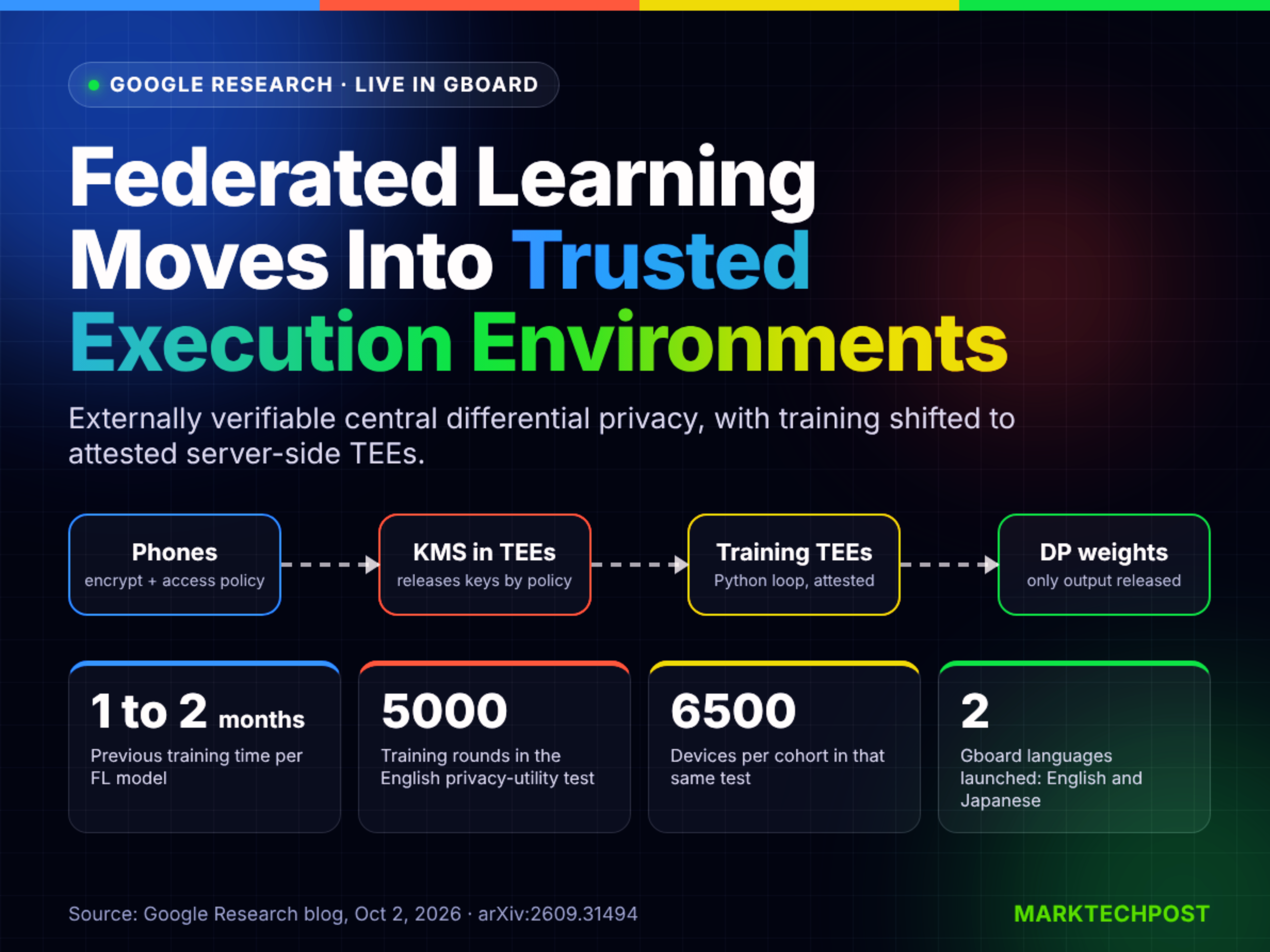
Google Research Moves Federated Learning Into TEEs: Gboard Now Trains With Externally Verifiable Differential Privacy
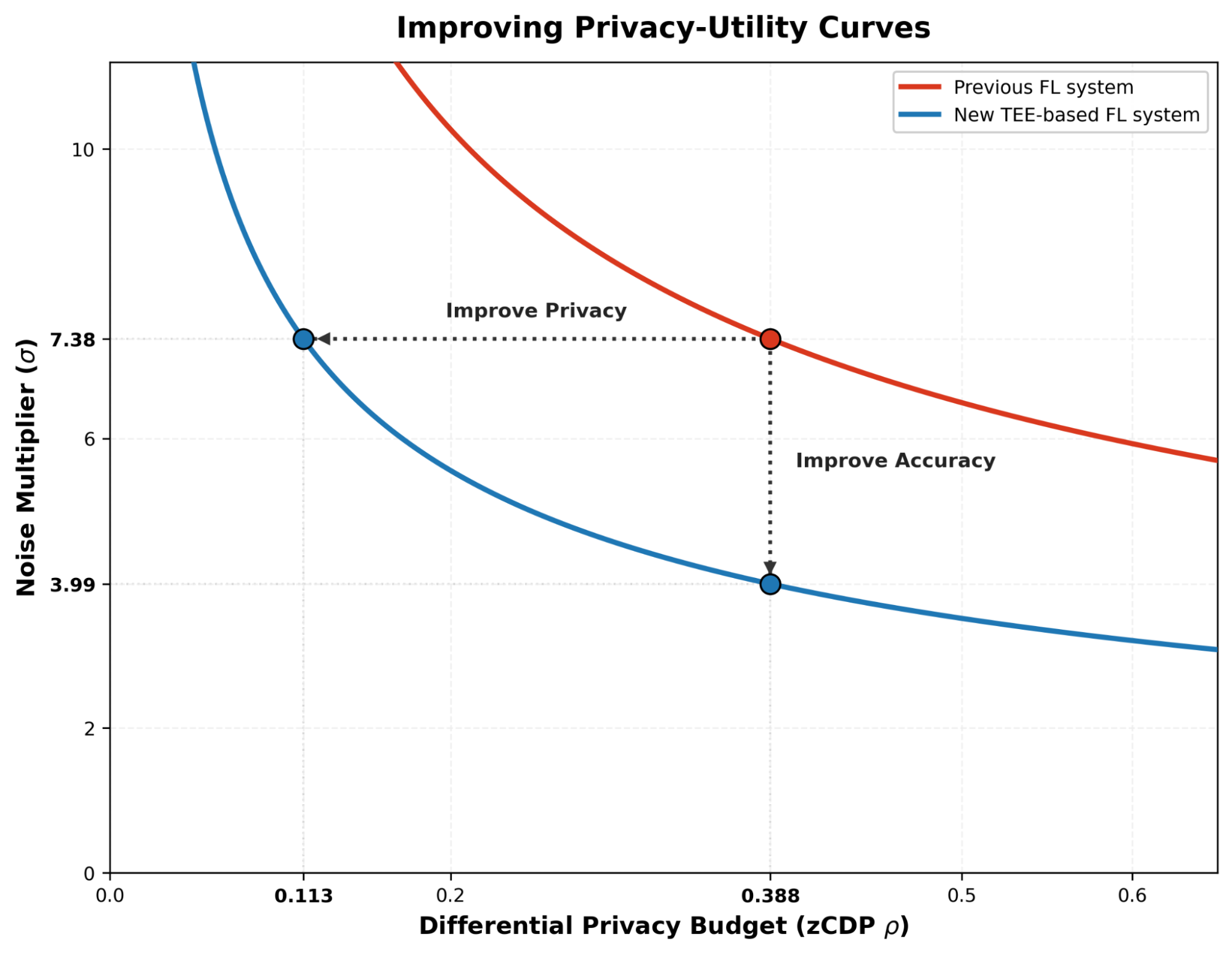
Google Research has announced a next-generation Federated Learning (FL) system built on Trusted Execution Environments (TEEs). The research team claims externally verifiable central differential privacy (DP) guarantees for FL for the first time. What Problem Does TEE-Based Federated Learning Solve? Google introduced Federated Learning FL in 2017. It powers next-word prediction and Smart Compose on Gboard, reply suggestions in Google Messages, and Smart Text Selection in Android. Earli
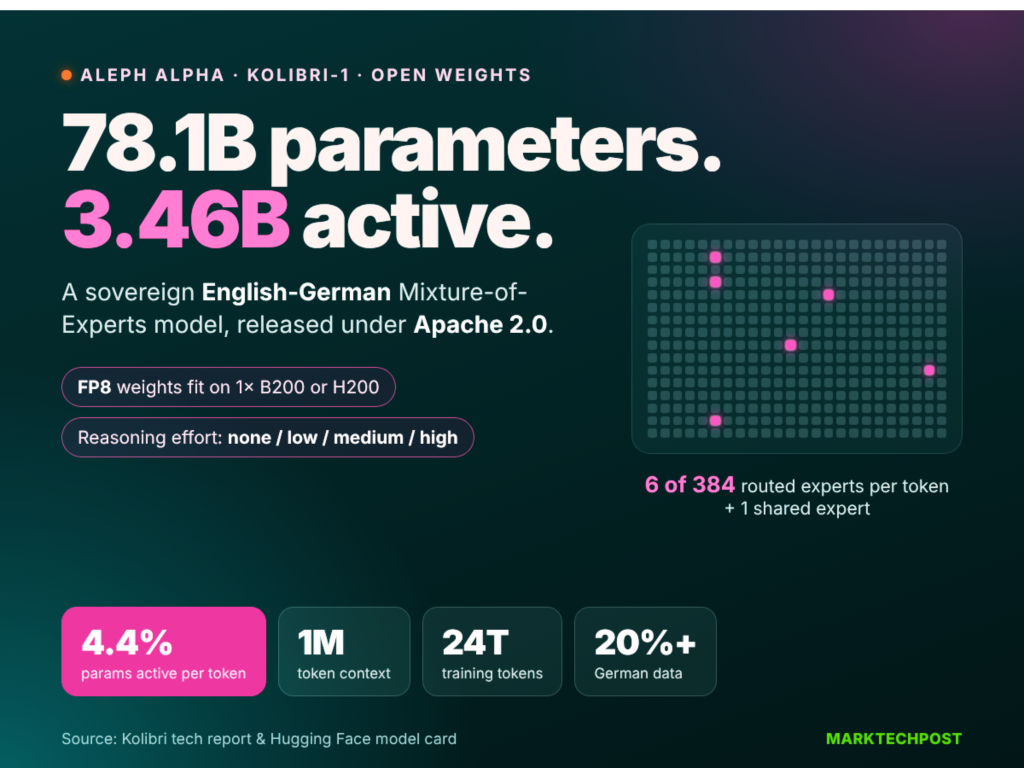
Aleph Alpha Releases Kolibri: A 78.1B Open-Weight English-German MoE Model With Only 3.46B Active Parameters
Aleph Alpha has released Kolibri, an open-weight Mixture-of-Experts (MoE) language model built for German and English. Kolibri has 78.1B total parameters but activates only 3.46B, or 4.4%, per token. It accepts up to 1,048,576 tokens of context, lets users set reasoning effort per request, and ships under the Apache 2.0 license on Hugging Face. The target is sovereign deployment in regulated sectors such as public administration, industry and aerospace. Is it deployable? Yes. The FP8 checkpo