
The Blue Wave Has Tech Bros Scrambling for Data Centers in Space
After Democrats won big in Texas and other AI infrastructure hot spots on Tuesday, data center enthusiasts looked for comfort in low Earth orbit.
Get smart on it
Democrats won elections across the country on Tuesday, including in Texas, a major data center hub, with many winning candidates opposing the data center industry. In response, tech industry figures have posted on social media that they now view space-based data centers as appealing alternatives to building on Earth. While some major companies are already developing orbital data center projects, experts note that space-based data centers are significantly more expensive than land-based ones, cannot reach hyperscale size, and face risks from satellite launches. The new Democratic control of the Texas House could enable changes through executive orders or county zoning authority, though Republican control of the state senate and existing developer protections may limit immediate impact.
Relevant courses
Want to go deeper than the news? Explore live, cohort-based AI courses taught by practitioners.
Browse AI courses on MavenRelated news

Data centers lost the midterms
Data center developers are poised to face a more restrictive building environment after voters across the country voted in candidates who favor moratoriums and ballot measures that put more obstacles on their expansion, delivering a stinging blow to a central pillar of the AI industry. Of voters polled by NBC News on Election Day, 76 percent said they opposed data centers in their communities. Dozens of local communities voted directly to restrict development through ballot mea
Also reported by Wired AI

Elon Is Doing It Again: SpaceX Will Be The World’s Biggest AI Cloud
We wrote at length about how SpaceX’s plans for 10GW in 2027 was feasible, paving the way for +300b+ ARR. We received a lot of pushback from folks calling it impossible. Now, just two months later, we’re already seeing 3.6GW under construction across multiple sites, both existing and new. SpaceX has even revised its estimate up to ~13GW in 2027. This would be the largest amount of datacenter capacity ever built by any one company in that timeframe, roughly equivalent to all of Google
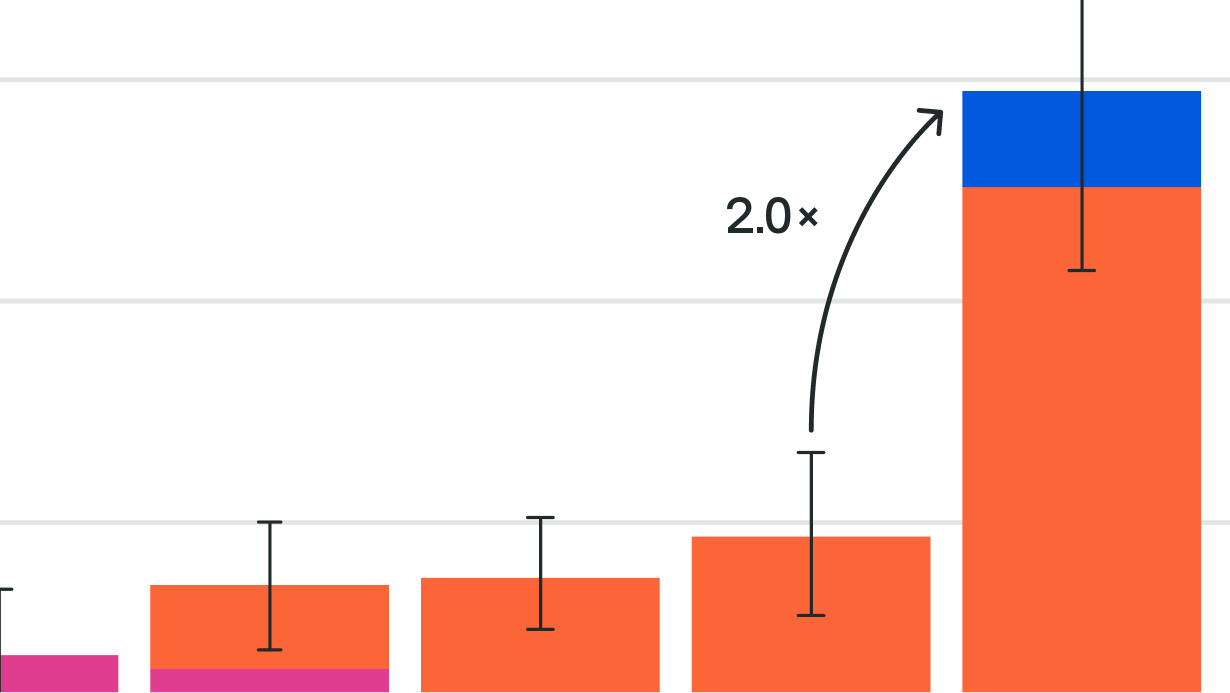
Broadcom TPU compute shipments doubled from Q2 to Q3 2026, reaching 2 million H100-equivalents
Broadcom’s shipments of TPU by unit volume increased by about 65% quarter over quarter to roughly 800,000 chips, while compute output doubled, driven by a shift to more powerful chips.

Modular AI Data Centers Gain Ground as Crusoe Debuts Unit
Crusoe's 3.5 MW Spark Liquid unit highlights how factory-built, modular data centers are becoming a faster path to AI capacity at scale.

Data centers are turning to old jet engines as the wait for power grows
The years-long wait for access to the grid and new turbines is causing data center builders to turn to an unusual, less efficient and less environmentally friendly solution: once-discarded jet engines.
Ukraine’s drone strikes spur hasty Russian plans for underground data centers
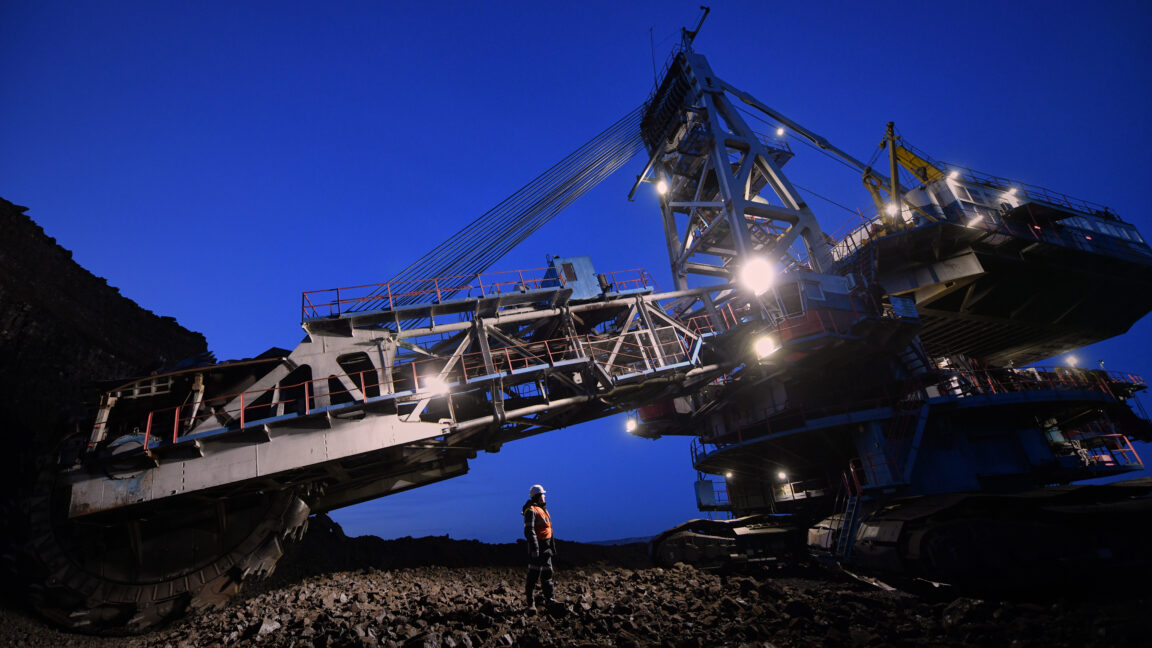
Russian tech companies are scrambling to harden and hide their data centers underground after Ukrainian drone strikes damaged facilities housing AI supercomputers and disrupted cloud services for millions of Russian users. Meanwhile, the Kremlin is requiring data center owners to reserve computing capacity for emergency state needs and has even authorized possible use of foreign data centers. These consequences of Russia's war against Ukraine come as the Russian military has bombarded Ukrainian