
Sunrun, Voltus Bring Home Batteries Into AI Capacity Push
Sunrun’s Voltus deal adds residential batteries to the capacity options available to AI hyperscalers, but distributed resources cannot solve every physical grid constraint.
Get smart on it
Residential home batteries are being aggregated to provide power capacity for artificial intelligence data centers through agreements between solar companies and capacity providers. The arrangement works by collecting distributed battery resources from homes and compensating them for making their power available, with large technology companies funding these virtual power plant programs. However, experts emphasize that having enough capacity in a region differs from having physical grid infrastructure capable of actually delivering that power to a specific data center location, meaning batteries hundreds of miles away cannot solve local transmission or transformer constraints that prevent connections.
Related news

Five Ways to Assess Your AI Infrastructure Readiness
AI success hinges on infrastructure. Use this five-part framework to evaluate power, cooling, security, cost strategy, and scalability.
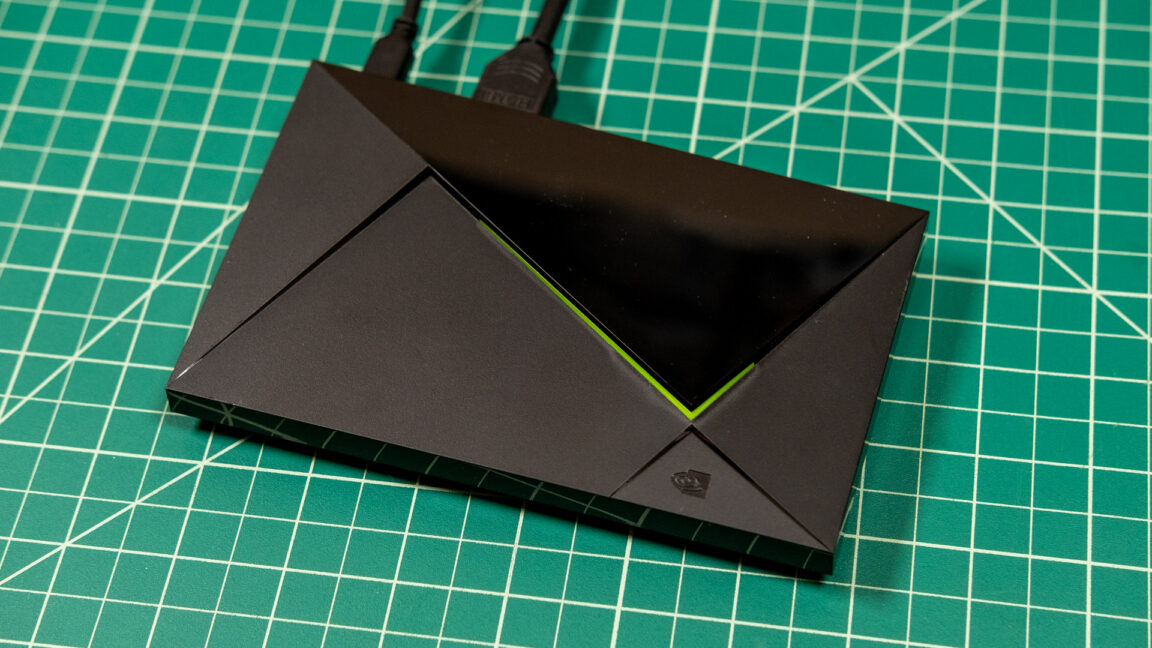
The 7-year-old Nvidia Shield TV is now $100 more expensive thanks to AI
The era of generative AI has upended technology supply chains, and there is one ironclad rule in 2026: If it has memory or storage, it's getting more expensive. Even devices with years-old tech inside are still apparently subject to that unwritten rule. Nvidia has just announced that the Shield TV Pro is getting $100 more expensive, effective immediately. The most recent version of the Shield streaming box debuted in 2019, running Android TV with AI upscaling and hardware decoding for almost any


