
QumulusAI’s $124M Deal Spotlights AI Infrastructure’s Utilization Challenge
Hyperbolic and QumulusAI say customers now care as much about utilization, efficiency, and production operations as raw GPU capacity.
Get smart on it
AI infrastructure providers initially focused on acquiring and deploying as many GPUs as possible to support model training. Now that workloads are shifting toward production inference, operators face a new challenge: keeping those GPUs efficiently utilized rather than sitting idle. Idle capacity has become the costliest problem because production workloads run continuously to serve users and applications, making infrastructure efficiency, utilization, and operating costs equal priorities alongside raw GPU capacity. This shift is pushing operators to customize infrastructure design around specific workload requirements, tuning factors like storage architecture, networking, and data center placement rather than building separate infrastructure stacks for training versus inference.
Related news
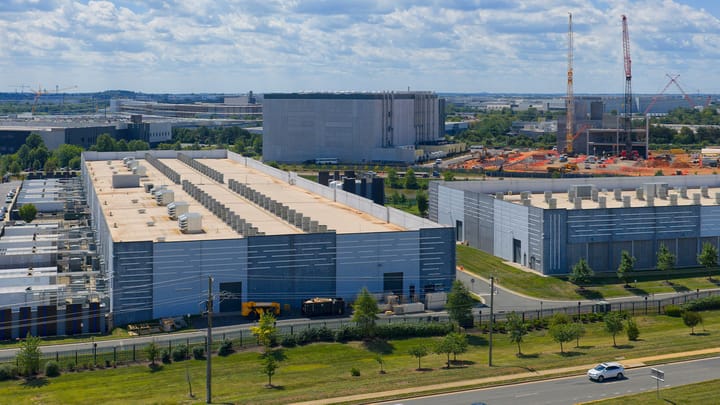
Virginia Approves First-Ever Data Center Power Tax
Virginia’s new electricity tax on data centers, including self-generated power, is projected to generate $600M annually.

The Breaking Points 2035: A Data Center Space Odyssey
Orbital data centers promise relief from terrestrial power challenges, but their future may hinge on a harder question: repair infrastructure or replace fleets.