
The Breaking Points 2035: A Data Center Space Odyssey
Orbital data centers promise relief from terrestrial power challenges, but their future may hinge on a harder question: repair infrastructure or replace fleets.
Get smart on it
Orbital data centers are computing facilities proposed to be built and operated in space as an alternative to traditional ground-based data centers. They matter because terrestrial data center power demand is expected to grow significantly, while ground-based expansion faces obstacles including grid interconnection delays, water constraints, and rising construction costs. The key challenge determining whether orbital data centers will succeed is not the technology itself but rather the operational and maintenance philosophy after launch, as orbital systems must function as spacecraft requiring different expertise and logistics than conventional data centers. Different companies are pursuing distinct architectural approaches, including individual orbital nodes, satellite constellations, and massive constellation models, each with different implications for how they can be maintained and operated.
Related news
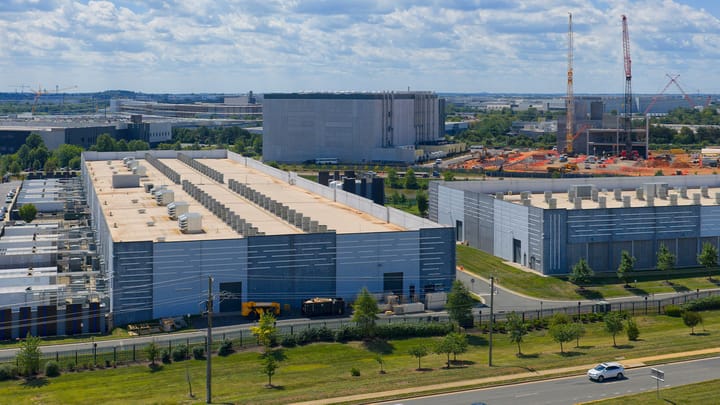
Virginia Approves First-Ever Data Center Power Tax
Virginia’s new electricity tax on data centers, including self-generated power, is projected to generate $600M annually.

Chevron Lands 20-Year Microsoft Deal to Power West Texas AI Campus
Microsoft's West Texas power agreement with Chevron shows how AI developers are securing generation capacity alongside compute.