
Inside our months-long investigation into Kevin O’Leary’s Utah data center debacle
Today I’m talking with Josh Dzieza, a longtime features writer here at The Verge, about Kevin O’Leary’s plans to build a massive data center in Utah. The idea was to build the world’s biggest data center — a 40,000-acre AI campus with nine gigawatts of power, or more than double the average power usage of the entire state of Utah. The project is technically called Stratos, but it’s more prominently known as Wonder Valley, a reference to O’Leary’s nickname on Shark
Get smart on it
A developer planned to build a massive data center in Utah through a state military development agency, bypassing typical local approval processes. The project was announced publicly before the county government even knew about it, sparking significant local opposition and political backlash. The approach mirrored large development projects in other states where companies shop around to different governments for the best tax breaks and permitting advantages. The local resistance ultimately stopped the project, illustrating how communities can block large infrastructure plans despite a company's political and financial resources.
Related news

Five Ways to Assess Your AI Infrastructure Readiness
AI success hinges on infrastructure. Use this five-part framework to evaluate power, cooling, security, cost strategy, and scalability.
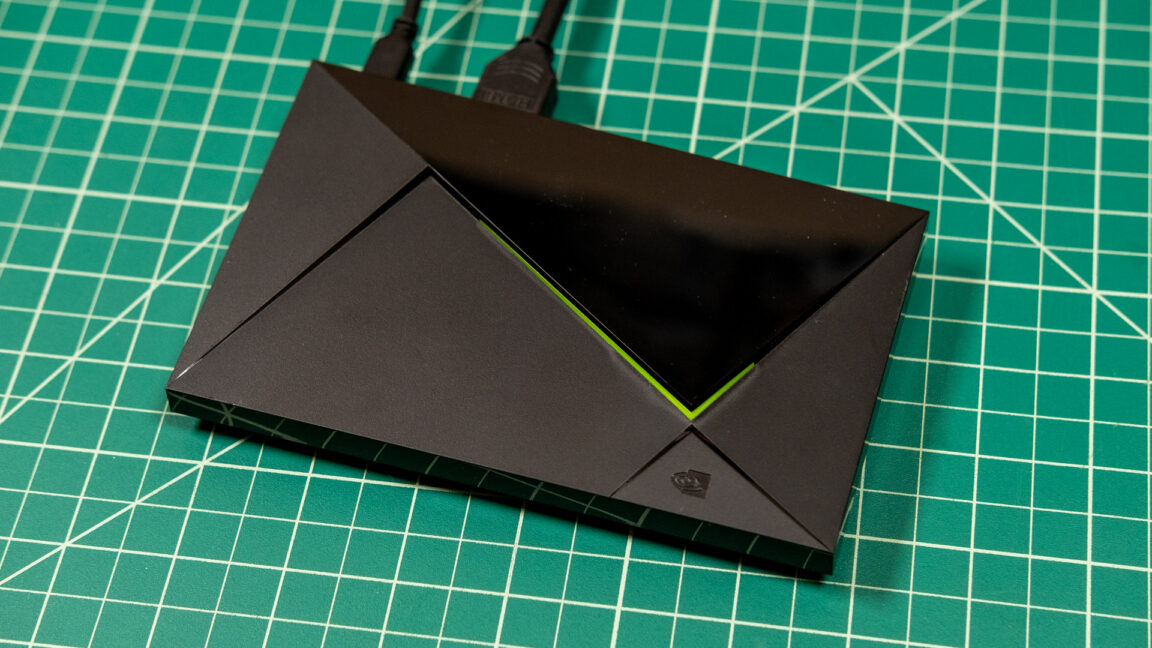
The 7-year-old Nvidia Shield TV is now $100 more expensive thanks to AI
The era of generative AI has upended technology supply chains, and there is one ironclad rule in 2026: If it has memory or storage, it's getting more expensive. Even devices with years-old tech inside are still apparently subject to that unwritten rule. Nvidia has just announced that the Shield TV Pro is getting $100 more expensive, effective immediately. The most recent version of the Shield streaming box debuted in 2019, running Android TV with AI upscaling and hardware decoding for almost any


