
For High-Density AI, Available Data Center Space May Not Be Usable
North American vacancy remains at 1%, but JLL says only a very small share of that capacity can support high-density AI deployments.
Make your prediction
Will North American data center vacancy remain below 2% by November 2026?
Resolves by Nov 19, 2026
Your prediction
50% · 50/50 coin flip
NOYES
Get smart on it
Data centers report only 1% vacancy in North America, but most of that available space cannot actually support the extreme power densities required for advanced AI systems. A buyer seeking capacity for 140 to 160 kilowatts per rack found that nearly every operator had space available, yet almost none could deliver the necessary infrastructure, particularly direct liquid cooling systems. The gap exists because most data centers were built around much lower power requirements, and upgrading to support these extreme densities requires substantial changes to cooling, electrical distribution, and structural systems. Only a very small portion of the overall vacant capacity can meet the specialized technical requirements that high-density AI deployments demand.
Related news

Five Ways to Assess Your AI Infrastructure Readiness
AI success hinges on infrastructure. Use this five-part framework to evaluate power, cooling, security, cost strategy, and scalability.
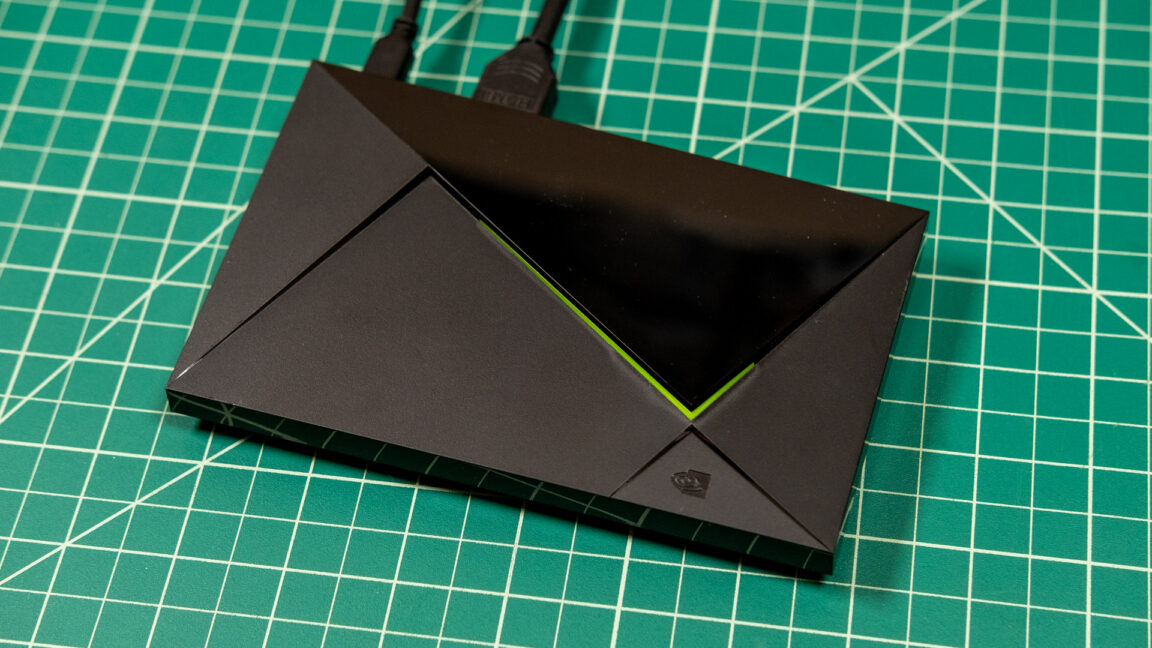
The 7-year-old Nvidia Shield TV is now $100 more expensive thanks to AI
The era of generative AI has upended technology supply chains, and there is one ironclad rule in 2026: If it has memory or storage, it's getting more expensive. Even devices with years-old tech inside are still apparently subject to that unwritten rule. Nvidia has just announced that the Shield TV Pro is getting $100 more expensive, effective immediately. The most recent version of the Shield streaming box debuted in 2019, running Android TV with AI upscaling and hardware decoding for almost any


