Evaporative Cooling in Data Centers: Why the Industry Hesitates to Move On
Evaporative cooling still dominates data centers, but with rising liquid cooling adoption, is the industry ready to embrace more sustainable solutions?
Get smart on it
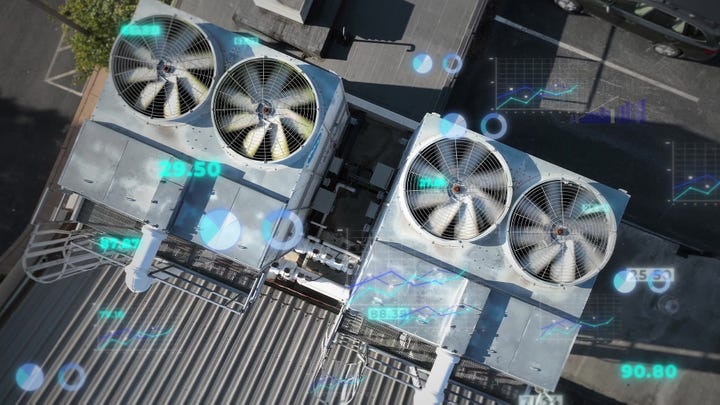
Data centers use evaporative cooling systems that push hot air through water-soaked membranes to remove heat, making them energy-efficient but highly water-intensive, consuming millions of gallons per day. This matters because data centers are among the world's largest water consumers, and their water demands strain local supplies and can pollute aquifers, creating pressure to adopt more sustainable alternatives. Alternative cooling methods exist, including liquid cooling systems that use little water or electricity, but they face significant barriers: they cost substantially more to install than evaporative cooling, and certain methods don't scale as effectively to large data centers. Despite predictions that liquid cooling could account for half of new data center cooling installations in the coming years, evaporative cooling remains dominant because it remains the cheapest and most scalable option available.
Related news
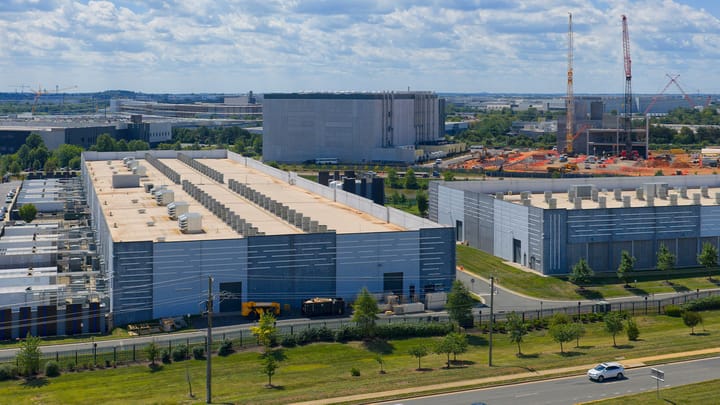
Virginia Approves First-Ever Data Center Power Tax
Virginia’s new electricity tax on data centers, including self-generated power, is projected to generate $600M annually.

The Breaking Points 2035: A Data Center Space Odyssey
Orbital data centers promise relief from terrestrial power challenges, but their future may hinge on a harder question: repair infrastructure or replace fleets.