Data Centers’ Next Hurdle: Winning Public Trust and Social License
The industry faces a “public legitimacy challenge,” where earning social license and trust has become as critical to success as obtaining megawatts and permits.
Get smart on it
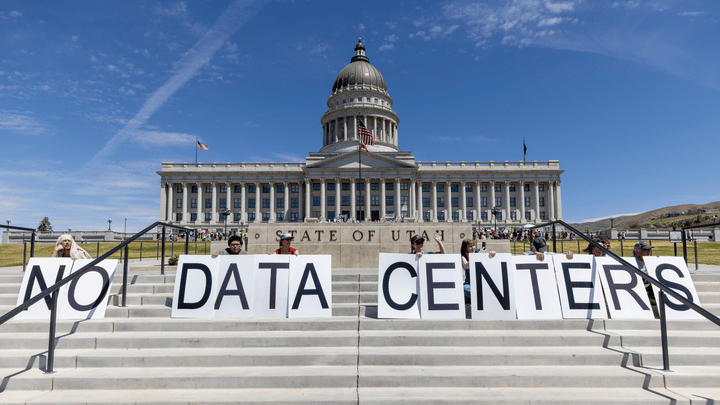
Data centers supporting AI development are facing growing opposition from local communities concerned about power consumption, water use, noise, land use, and lack of transparency in decision-making processes. Recent ballot initiatives and city council elections have shifted public sentiment into a major constraint for the industry, alongside traditional concerns like securing adequate power and permits. Communities are increasingly demanding a voice in projects with long-term local impacts, questioning whether local benefits justify local costs and environmental risks. As data center construction reaches record levels tied to AI expansion, debates that once occurred in utility planning are now becoming political fights in city councils, state legislatures, and ballot boxes.
Related news
Virginia Approves First-Ever Data Center Power Tax
Virginia’s new electricity tax on data centers, including self-generated power, is projected to generate $600M annually.

The Breaking Points 2035: A Data Center Space Odyssey
Orbital data centers promise relief from terrestrial power challenges, but their future may hinge on a harder question: repair infrastructure or replace fleets.