Data Center Hardware Highlights: August 2026
The latest in data center infrastructure – from power and minerals to networking, CPUs, and rack-scale AI systems – shows the stack shifting toward energy, interconnects, and end-to-end efficiency.
Get smart on it
Data center hardware development is shifting focus from GPUs alone toward broader infrastructure challenges including power supply, mineral availability, and networking systems. Power capacity has become a new bottleneck for AI expansion, with energy, grid interconnects, and critical minerals like copper emerging as constraints that limit deployment speed. The competitive landscape now encompasses accelerators, power infrastructure, supply chains, and end-to-end system efficiency rather than processor performance alone. These interconnected challenges mean that financing hardware purchases and building rack-scale systems must be paired with solutions for electrical capacity, mineral supply chains, and advanced networking to fully utilize AI infrastructure.
Related news
NVIDIA Announces DGX Spark 64GB: A 1-PetaFLOP Grace Blackwell Desktop for Local AI Agents, Fine-Tuning, and Inference
NVIDIA announced a new 64GB configuration of DGX Spark — from Acer, ASUS, Dell, Gigabyte, HP and MSI — its GB10-powered desktop AI system. It gives developers a way to start with one system for local models and agents, then cluster two 64GB units for 128GB of memory across the cluster and more compute when workloads grow. The direct message is: Run open models and always-on agents on your own desk, then cluster DGX Spark system as the work grows – instead of on a metered API. The ti
Amazon’s $1B plan to combat data center backlash draws more backlash
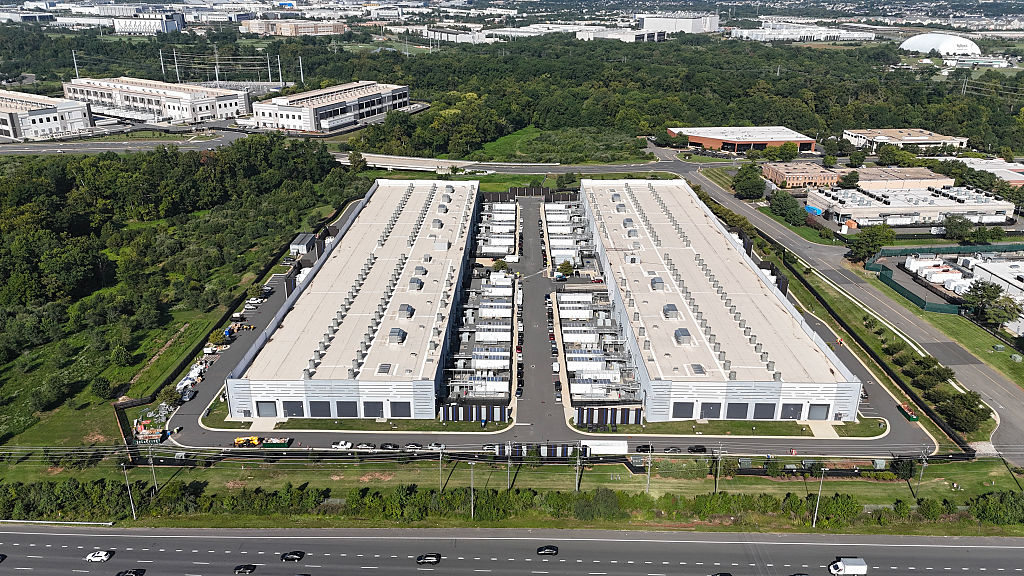
On Friday, Amazon committed to donating more than $1 billion over the next five years to communities neighboring data centers. In a press release, Amazon Web Services’ CEO Matt Garman said that communities would decide how to prioritize funds across “education, job training, energy affordability, water, and energy preservation, and local priorities.” Laying out other community commitments, Amazon also promised to ensure data centers wouldn’t increase power bills or wipe out local water supplies.