Data Center Automation: What’s New and What Works
Modern data center automation replaces siloed tools with policy-led orchestration across power, cooling, security, and AIOps.
Get smart on it
Modern data centers are adopting a new wave of automation that moves beyond individual tools to create integrated, policy-driven systems that manage power, cooling, security, and operations together. These capabilities include coordinated power allocation that prioritizes critical workloads and sheds nonessential loads during constraints, predictive thermal control using sensor networks to prevent overheating before it occurs, AI-assisted video analytics for physical security detection, and natural language interfaces that allow administrators to configure systems with less specialized expertise. Data centers face unprecedented electricity demands while power availability tightens in many regions, making efficient power orchestration and resiliency mission-critical. The payoff of integrating these automated capabilities is better resilience and efficiency with the auditability and control that mission-critical environments require.
Related news
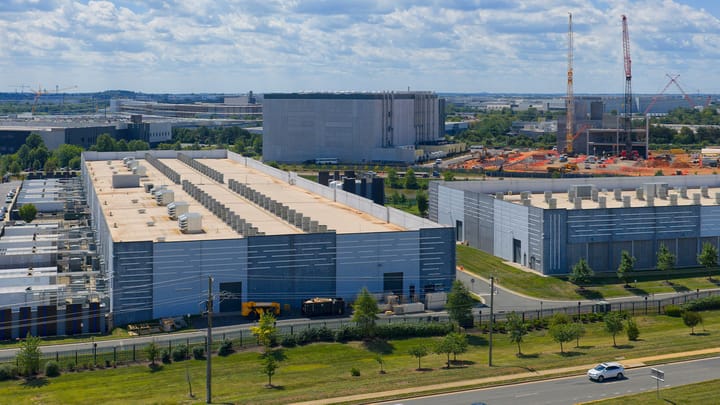
Virginia Approves First-Ever Data Center Power Tax
Virginia’s new electricity tax on data centers, including self-generated power, is projected to generate $600M annually.

The Breaking Points 2035: A Data Center Space Odyssey
Orbital data centers promise relief from terrestrial power challenges, but their future may hinge on a harder question: repair infrastructure or replace fleets.