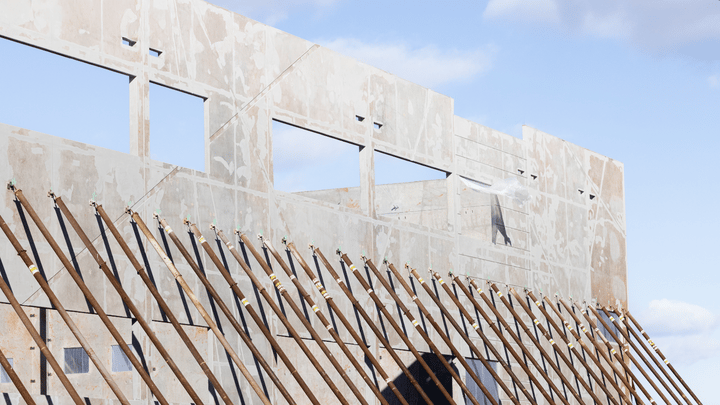
Building Data Centers Faster: Plays That De-Risk Delays
Data center build timelines are driven less by the shell and more by permitting, utility interconnection, and supply-chain bottlenecks.
Get smart on it
Data centers typically take five years or more to build, far longer than conventional warehouses, because construction involves multiple complex stages beyond simply erecting a shell structure. The real delays stem from permitting processes, grid interconnection requirements, supply chain constraints, and site selection negotiations rather than the physical building work itself. Operators can compress timelines by selecting sites with favorable zoning, standardizing hardware designs, diversifying suppliers, using modular construction approaches, and installing on-site power generation to reduce dependence on grid connections. However, macro constraints like utility capacity limitations and material availability ultimately control the schedule regardless of an operator's choices.
Related news
Virginia Approves First-Ever Data Center Power Tax
Virginia’s new electricity tax on data centers, including self-generated power, is projected to generate $600M annually.

The Breaking Points 2035: A Data Center Space Odyssey
Orbital data centers promise relief from terrestrial power challenges, but their future may hinge on a harder question: repair infrastructure or replace fleets.