Battery Storage Moves Closer to Data Centers, but Challenges Persist
Operators are deploying battery systems to support reliability and grid flexibility, but cost, performance, and complexity still hinder adoption.
Get smart on it
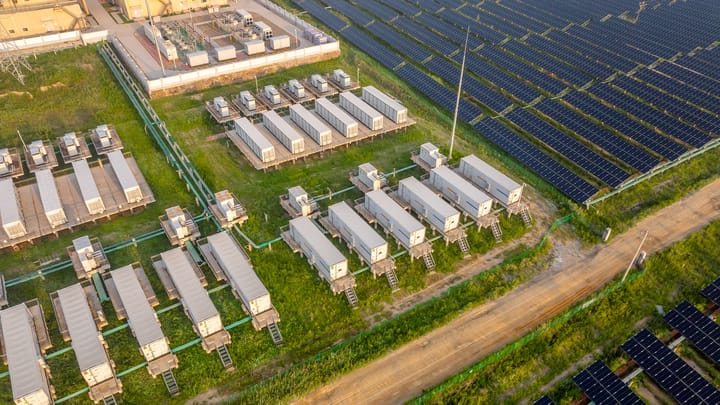
Data center operators are increasingly deploying battery energy storage systems beyond their traditional role as emergency backup, using them to manage peak electricity demand, support grid operations, and enable on-site power generation. This shift reflects growing pressure from artificial intelligence infrastructure expansion and the challenges utilities face managing large power loads. However, widespread adoption remains limited by high costs, physical space requirements, technical complexity, and concerns about installation and maintenance of supporting equipment like cooling systems. Operators are taking a pragmatic approach, deploying battery storage only where it solves a specific operational problem rather than treating it as a standard component of data center design.
Related news
Virginia Approves First-Ever Data Center Power Tax
Virginia’s new electricity tax on data centers, including self-generated power, is projected to generate $600M annually.

The Breaking Points 2035: A Data Center Space Odyssey
Orbital data centers promise relief from terrestrial power challenges, but their future may hinge on a harder question: repair infrastructure or replace fleets.