
Amazon Explores Grid Connection for 8,000-Acre AI Campus
The project combines a planned private-generation complex with an AI data center and has drawn national scrutiny over its potential emissions.
Get smart on it
Amazon is planning to build its own power generation system for a large AI data center campus in Texas, initially designed to operate independently from the electrical grid. The company has now indicated it may eventually connect this system to the grid to supply power to other customers, though details about timing and technical arrangements remain unclear. The project has attracted attention because the natural gas power plant is estimated to have maximum allowable annual emissions of about 33 million tons of carbon-dioxide equivalent, though this represents maximum operating assumptions rather than a forecast of actual emissions. The transition from a private power system to a grid-connected one raises unresolved questions about how the project would be treated in the grid interconnection process and how much of the campus's energy demand would rely on grid power versus its own generation.
Related news

Five Ways to Assess Your AI Infrastructure Readiness
AI success hinges on infrastructure. Use this five-part framework to evaluate power, cooling, security, cost strategy, and scalability.
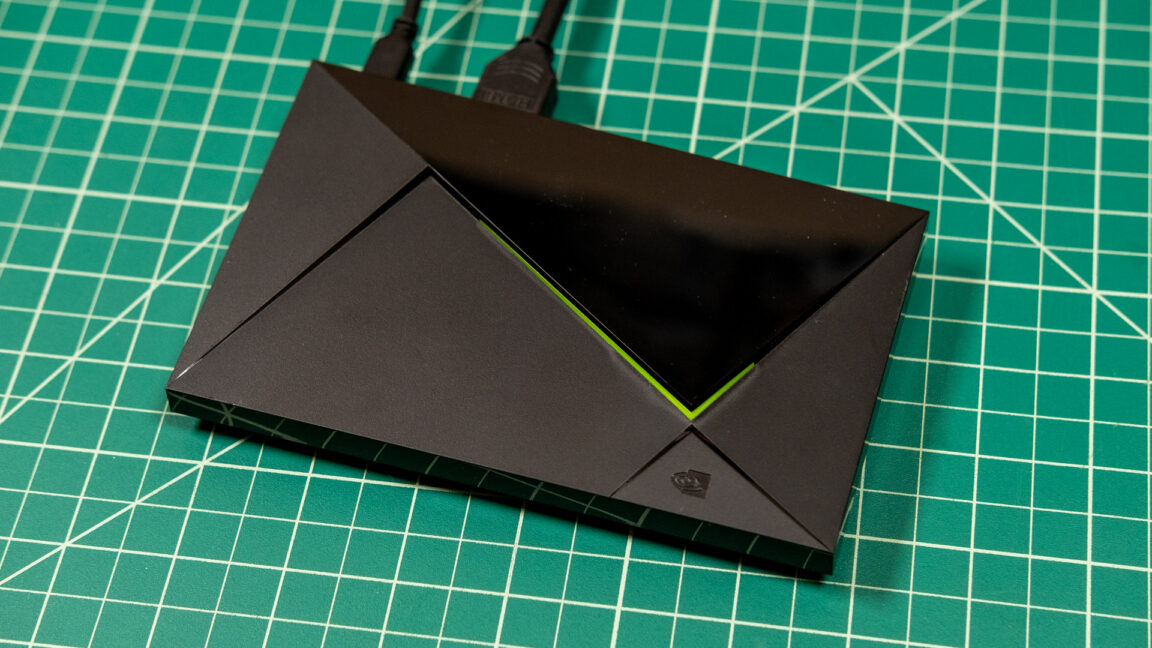
The 7-year-old Nvidia Shield TV is now $100 more expensive thanks to AI
The era of generative AI has upended technology supply chains, and there is one ironclad rule in 2026: If it has memory or storage, it's getting more expensive. Even devices with years-old tech inside are still apparently subject to that unwritten rule. Nvidia has just announced that the Shield TV Pro is getting $100 more expensive, effective immediately. The most recent version of the Shield streaming box debuted in 2019, running Android TV with AI upscaling and hardware decoding for almost any


