AI Data Center Networking: Scaling Up, Out, and Across with 102.4T Ethernet
As AI clusters scale, network silicon becomes the bottleneck. Here’s a look at Cisco’s Silicon One G300 and P200, alongside Broadcom’s Tomahawk 6 and Nvidia’s Spectrum-6.
Get smart on it
As AI clusters grow larger with thousands of GPUs, the network connecting them has become a critical bottleneck that can determine overall efficiency. High-speed Ethernet switching silicon at 51.2 to 102.4 Tbps capacity, produced by multiple vendors, is designed to deliver predictable bandwidth and low latency while managing sudden traffic bursts. Without adequate network infrastructure, expensive GPU investments become underutilized hardware rather than functional supercomputers. These advanced networking chips employ deeper buffering, real-time telemetry, and load-balancing strategies to keep data flowing smoothly within and between data centers.
Related news

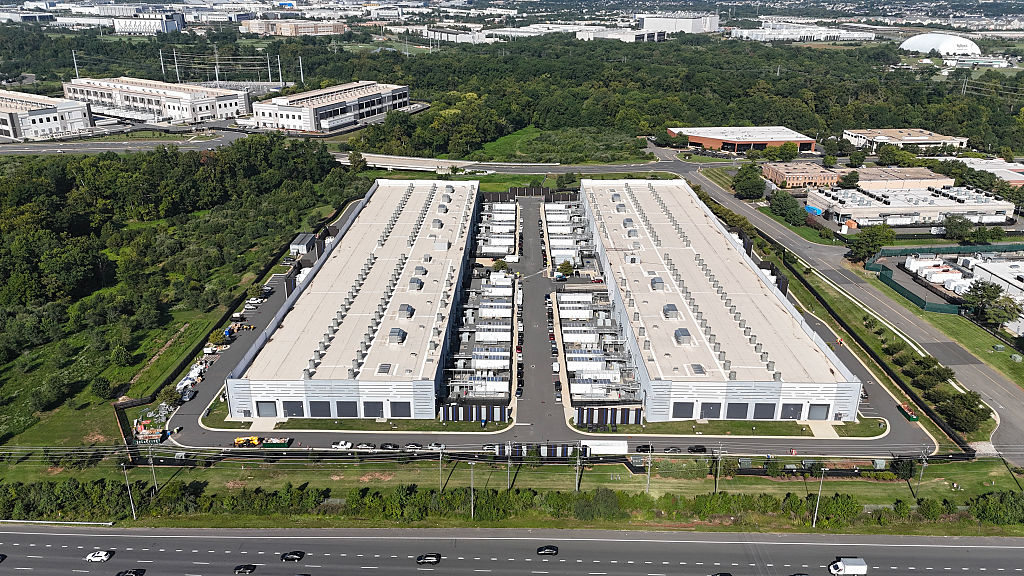
Rural Data Centers Are in for a Big Federal Tax Break
Under the One Big Beautiful Bill Act, data center projects in rural areas could be eligible for major tax benefits starting next year. Some hyperscalers do not seem eager to take the free cash.

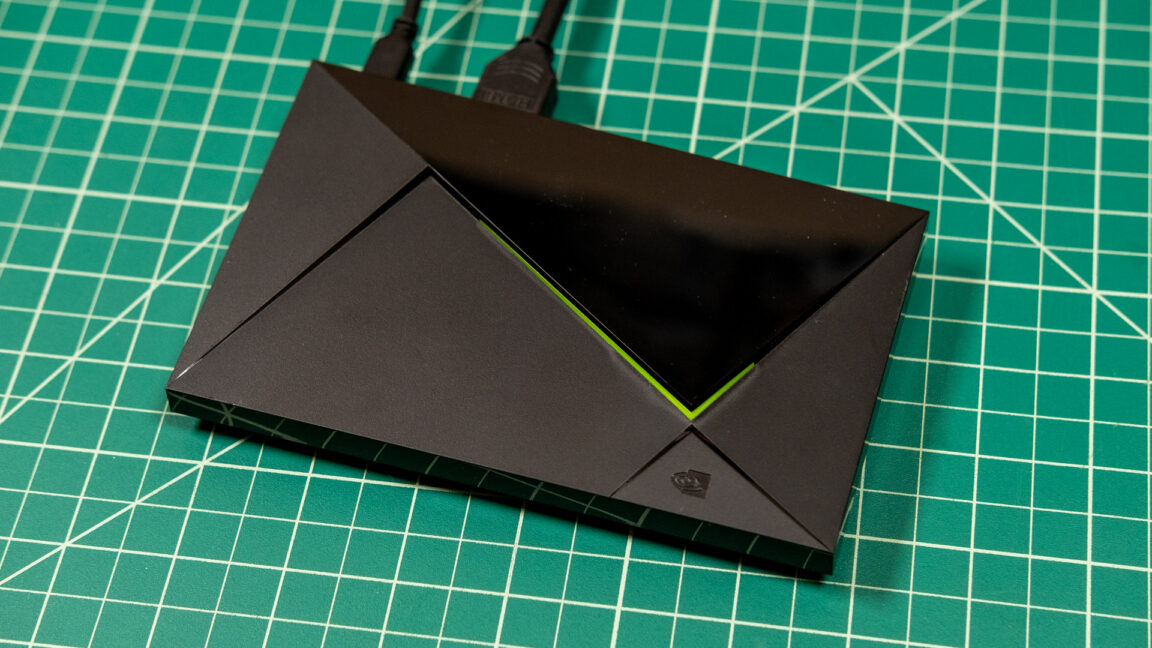
The Nvidia Shield TV Is 7 Years Old. It Just Got a $100 Price Hike
The price of anything with memory is skyrocketing thanks to AI. Aging streaming devices are no exception.