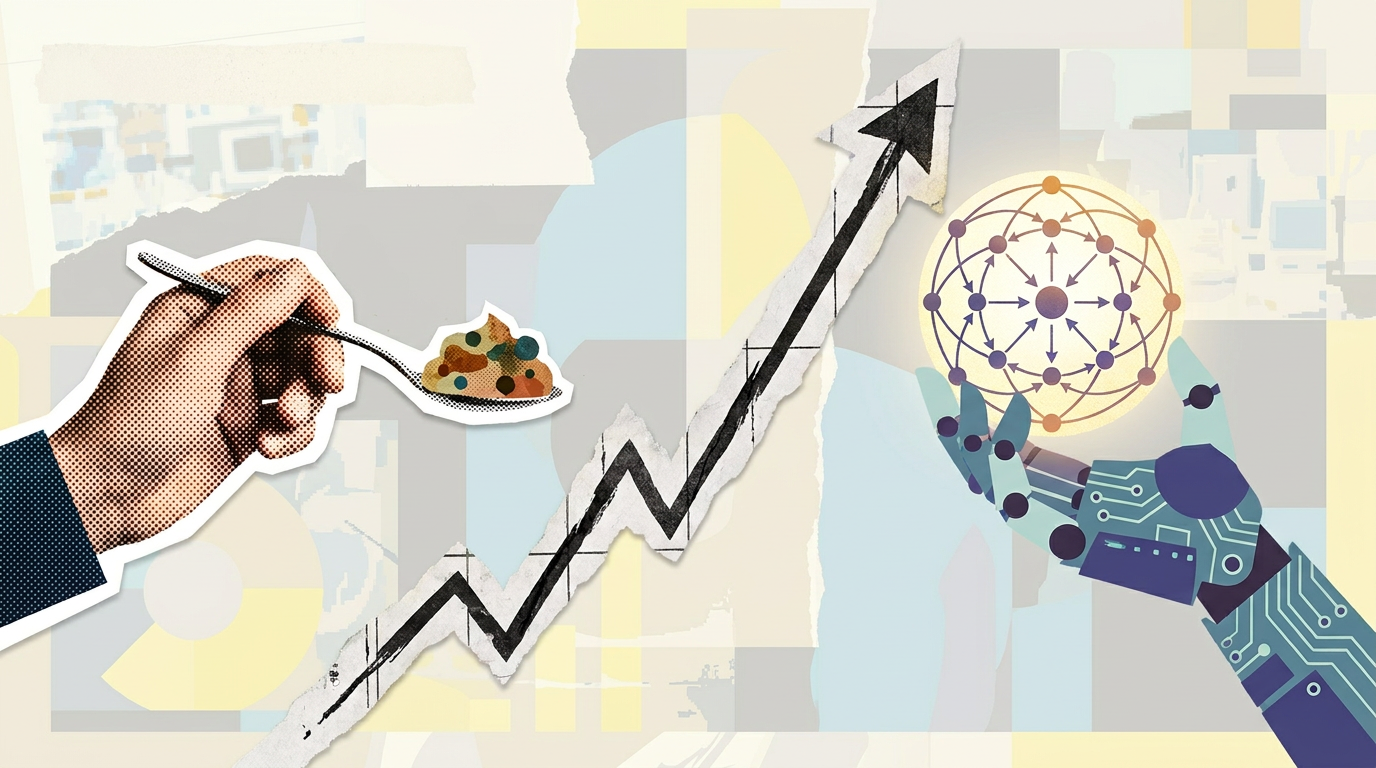
Jack Clark moves self-improving AI prediction to 2027
The Decoder: Anthropic co-founder Jack Clark moves his prediction for self-improving AI forward to 2027
A new benchmark by P-Zero Research measures how well AI models design and evaluate experiments on their own. The results are improving so fast that Anthropic co-founder Jack Clark now thinks self-improving AI could arrive by 2027. The article Anthropic co-founder Jack Clark moves his prediction for self-improving AI forward to 2027 appeared first on The Decoder.
Get smart on it
A new benchmark called TasteVal measures how well AI systems can design and interpret scientific experiments on their own. The benchmark shows that leading AI models have roughly doubled their capability in this area every three months since late 2025, and the top model outperformed a group of human experts while using less than half the compute. An Anthropic co-founder cited this progress as reason to move his prediction for recursive self-improvement, where AI systems develop their own successors, forward from 2028 to 2027. This matters because skeptics had specifically identified the ability to plan and evaluate experiments as a barrier to major AI breakthroughs, so this benchmark directly addresses a capability that was thought to be far away.
Explainer: How to Actually Read an AI Benchmark (Without Being Fooled)
Relevant courses
Want to go deeper than the news? Explore live, cohort-based AI courses taught by practitioners.
Browse AI courses on MavenRelated news
Claude Science tackles deadly scorpion stings by designing protein binders from scratch
Anthropic's Claude independently designed protein binders targeting deadly scorpion neurotoxins. Out of more than 318,000 designs, 211 were tested in the lab. Seventeen met the criteria, and the two strongest bind extremely tightly to Cn2, a toxin from a Mexican scorpion. Whether they actually work as antivenom remains an open question. The article Claude Science tackles deadly scorpion stings by designing protein binders from scratch appeared first on The Decoder.
Also reported by The Verge

Microsoft says its AI tool is better than doctors at diagnosing conditions
Microsoft AI chief Mustafa Suleyman. | Getty Images For years, AI leaders have touted healthcare as one of the clearest examples of where their technology will improve lives. Now "it is finally here," Microsoft AI CEO Mustafa Suleyman tells The Verge. The company claims to have developed an AI-powered tool it says can diagnose conditions up to four times more accurately than human doctors. The findings, published Thursday in one of the world's most prestigious journals, Science,

Microsoft’s Mustafa Suleyman says its AI outperforms doctors on hard cases as he chases ‘medical superintelligence’
Microsoft’s new AI diagnostic system beat generalist doctors on hard cases, according to a study in Science. But most of the improvement seems to come from the AI models underneath, not from Microsoft’s system itself.
Inception's Mercury 3 diffusion model claims to beat GPT-6 Luna and Claude Haiku 5.5 at a fraction of the wait
Inception says Mercury 3 is the most capable diffusion language model released so far. The company claims it runs four to eight times faster than GPT-6 Luna and Claude Haiku 5.5 and beats both in eight of 12 benchmarks. There are no independent tests yet. The article Inception's Mercury 3 diffusion model claims to beat GPT-6 Luna and Claude Haiku 5.5 at a fraction of the wait appeared first on The Decoder.
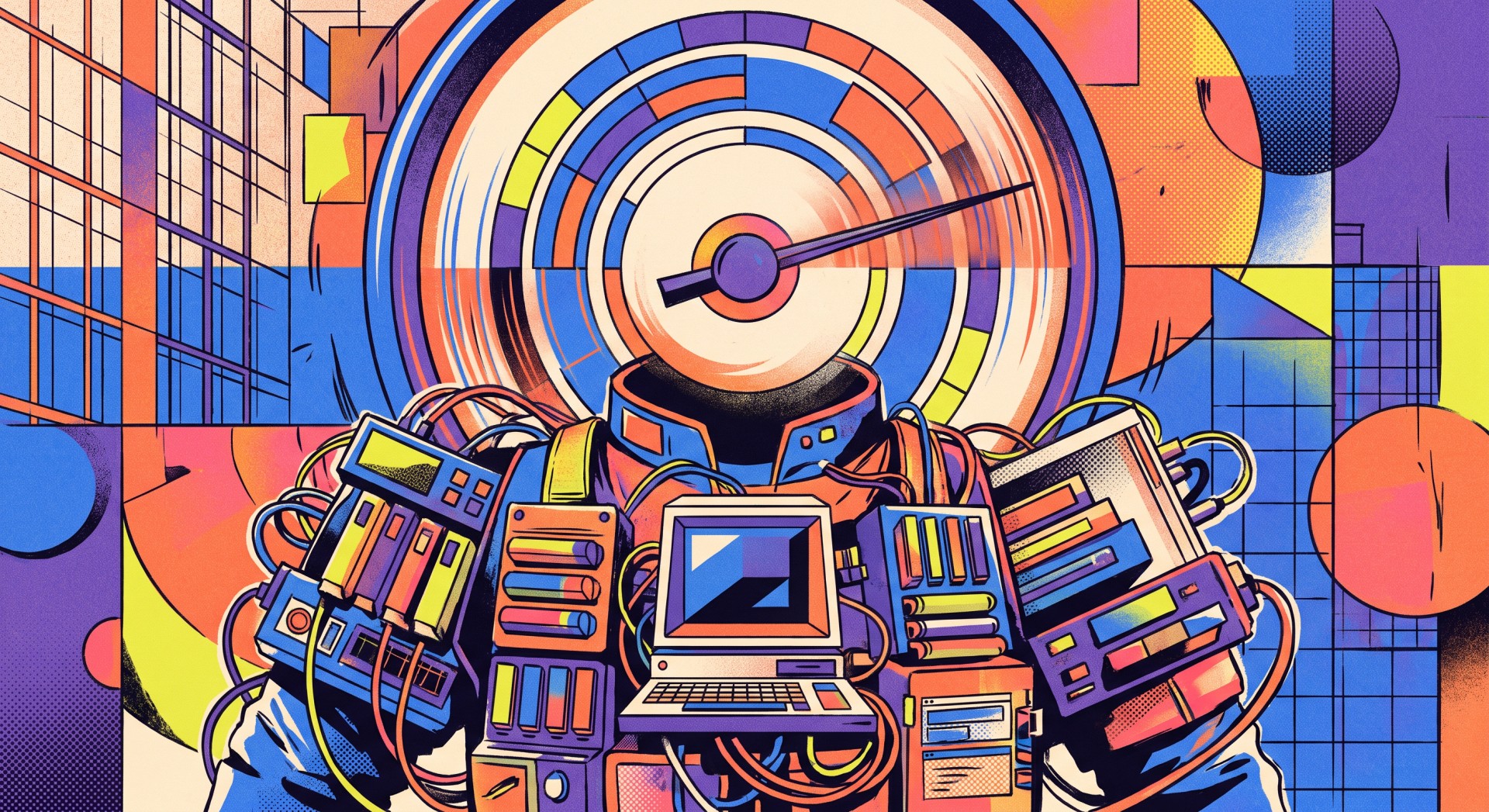
Fancy harnesses make coding agents more expensive but not better, study finds
A controlled study shows that switching between coding-agent harnesses like Claude Code, OpenCode, or mini-SWE-agent barely moves pass rates more than rerunning the same setup. Cost per task, however, can triple, driven mainly by the system prompt that gets resent with every step. The article Fancy harnesses make coding agents more expensive but not better, study finds appeared first on The Decoder.

Forced to pick, Grok’s AI model chooses Republicans. OpenAI’s picks Democrats.
A new study found Grok's AI overwhelmingly recommends Republican candidates while OpenAI's GPT favors Democrats, with the two AI models disagreeing in more than 90% of nearly 500 election races.