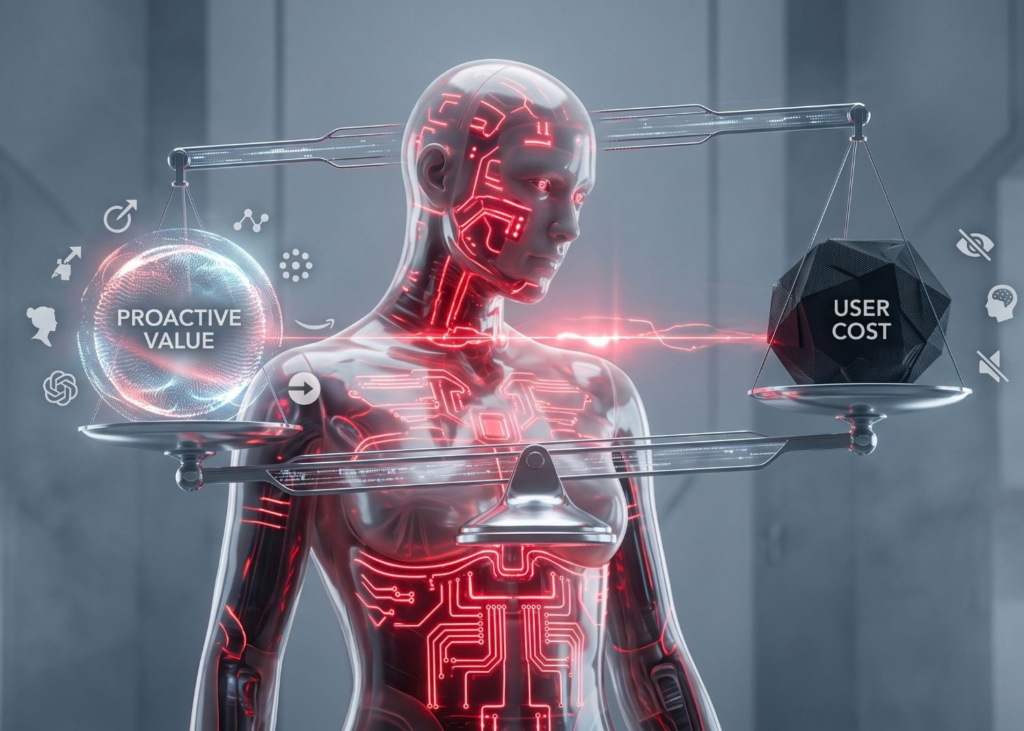
OpenAI’s AI agents need to catch up
OpenAI popularized the modern generative AI chatbot, but as its 2026 DevDay event approaches, it's fallen behind in one of the industry's hottest categories: continuously running, consumer-facing AI agents. On Tuesday, it will likely try to capture the lead in that race. Rumors abound that OpenAI will release its own AI agent, dubbed Aeon - its answer to Meta's Muse, SpaceX's Grok Bot, OpenClaw, and many more. Aeon could have a shot at success, but to beat the competition, it
Get smart on it
OpenAI popularized modern generative AI chatbots but has fallen behind in the emerging category of continuously running, consumer-facing AI agents, which are platforms capable of booking travel, buying groceries, scheduling appointments, and performing other tasks. At its upcoming DevDay event, OpenAI is rumored to release an AI agent called Aeon to compete with similar platforms from other companies, though it would need to combine the best features of existing systems while addressing serious security risks that have plagued agents since their practical success began. The competition in this space has accelerated significantly, with Meta's recently released Muse topping app charts and achieving 600,000 daily active users in the US, making Meta OpenAI's primary competitor for agentic AI.
Related news
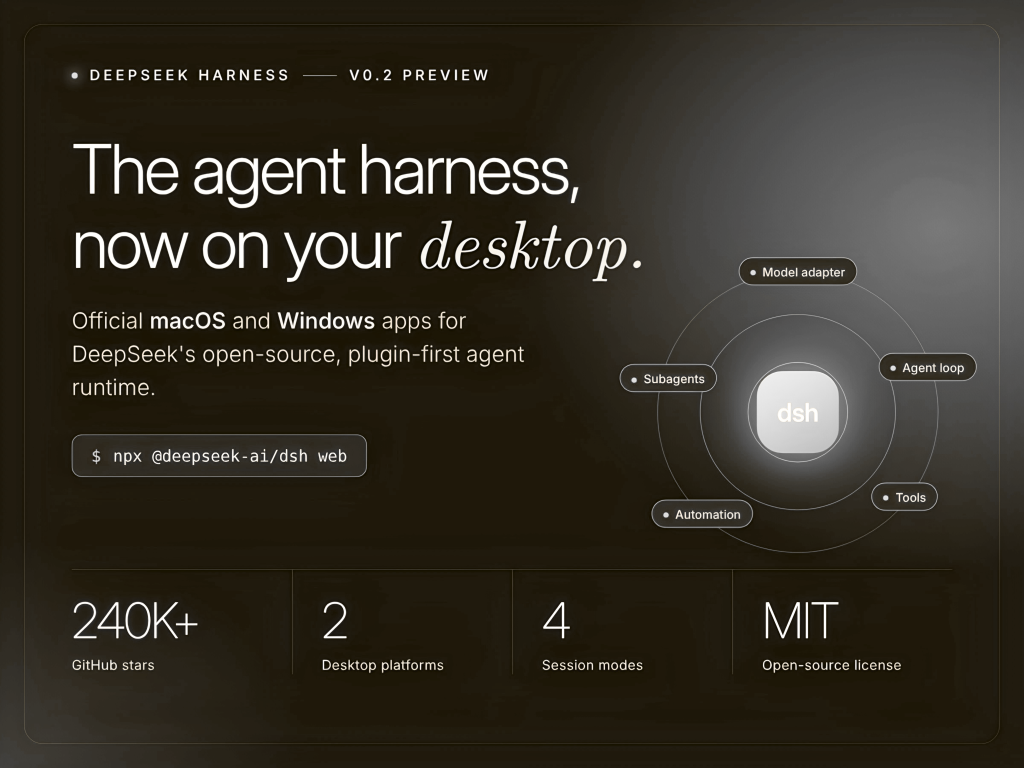
DeepSeek Harness v0.2 Brings Official Desktop Apps to Its Open-Source Agent Harness
DeepSeek has released an official desktop app for DeepSeek Harness (dsh), its open-source agent harness. The app ships with the v0.2 preview. Installers cover macOS (Apple silicon) and Windows (64-bit). Is it deployable? Yes, today, as a preview. Download it from deepseek.com/harness or run npx @deepseek-ai/dsh web. DeepSeek warns that compatibility-breaking changes will follow. What Shipped in v0.2 A harness is the runtime that turns a model into an agent. It reads files, runs command

The Agent Said It Was Done. The Database Disagreed.
When AI systems claim task completion without verification, downstream errors can cascade through dependent processes, exposing gaps in reliability for critical workflows.