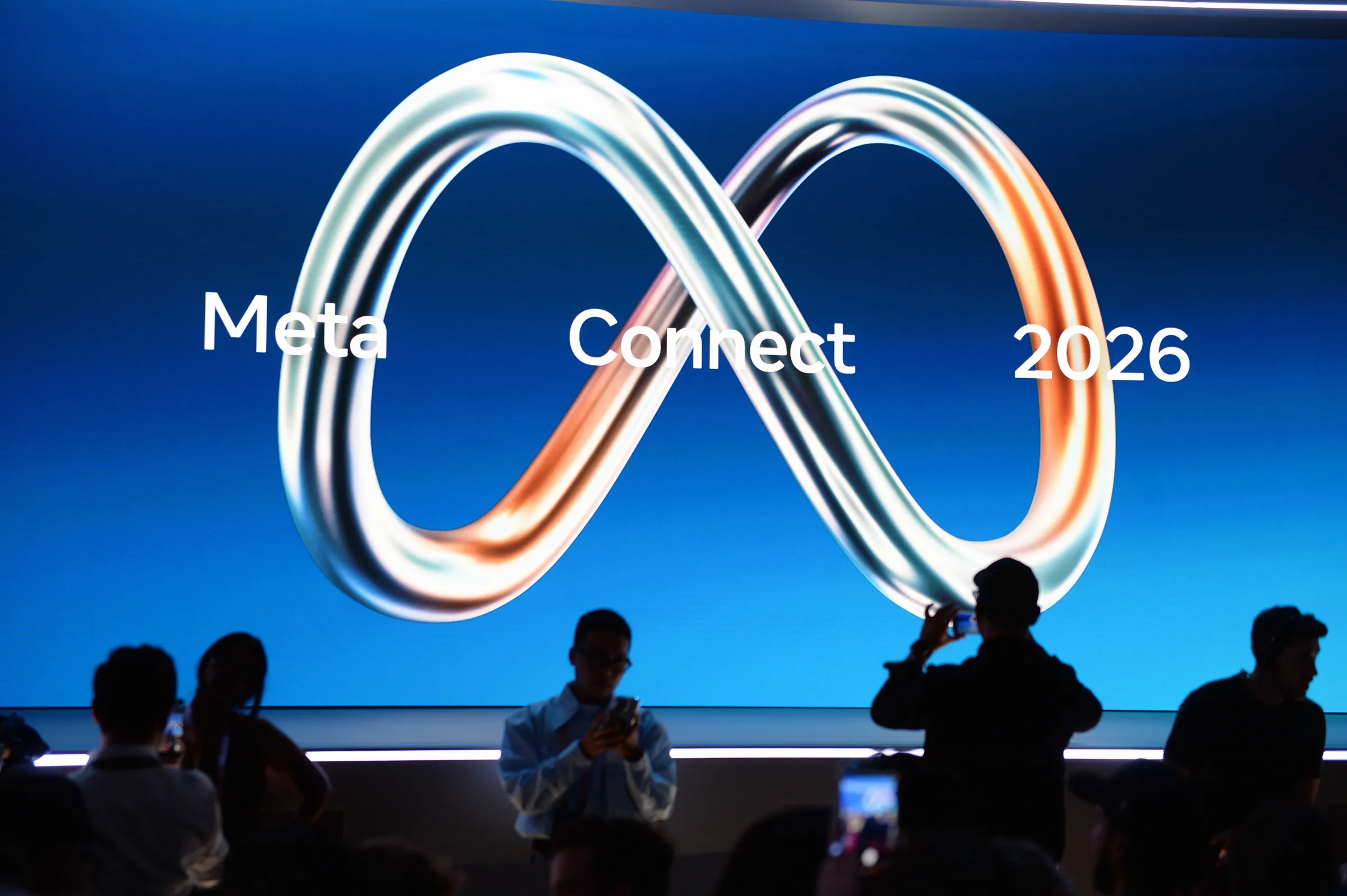
Muse is coming to Meta smart glasses
Just a couple of weeks after launching Muse, Meta announced that it's "working on" bringing the agent to its smart glasses, including the new glasses it unveiled at Meta Connect. Users will be able to activate Muse from their glasses by saying its name and ask it to handle tasks like guiding a workout, logging meals, or helping them shop for products they're looking at. Muse is just one of several major updates coming to Meta's glasses. They're also getting some new accessibil
Get smart on it
Meta is bringing its AI agent to its smart glasses, allowing users to activate it by voice to handle tasks like guiding workouts, logging meals, and helping with shopping. The glasses are also receiving multiple new features including accessibility tools for hearing loss, improved AI responses for interpreting surroundings, audio customization, spatial audio recording, and enhanced navigation with voice-guided directions and real-world landmark references. These updates represent a broader expansion of Meta's smart glasses capabilities across accessibility, photography, communication, and navigation functions.
Related news

Meta is making a standalone Muse AI gadget
Meta is building a dedicated hardware device for its new Muse AI agent. The product, called Muse Charm, was briefly shown off by Meta CEO Mark Zuckerberg at the end of tonight's Meta Connect presentation. It looks almost like a chunky smartwatch without the strap - just a big screen, plus a little lanyard for carrying the device around. The Muse Charm has a fingerprint sensor on the top right corner that you can press to activate and begin speaking to the agent. There appears t

Everything new coming to Meta’s AI agent Muse
CEO Mark Zuckerberg kicked off the company’s annual Connect event in Menlo Park on Wednesday with a keynote that made one thing clear: Meta is going all-in on Muse. It's even coming to Meta's AI glasses.