Microsoft stops insisting you need a "Copilot+ PC"
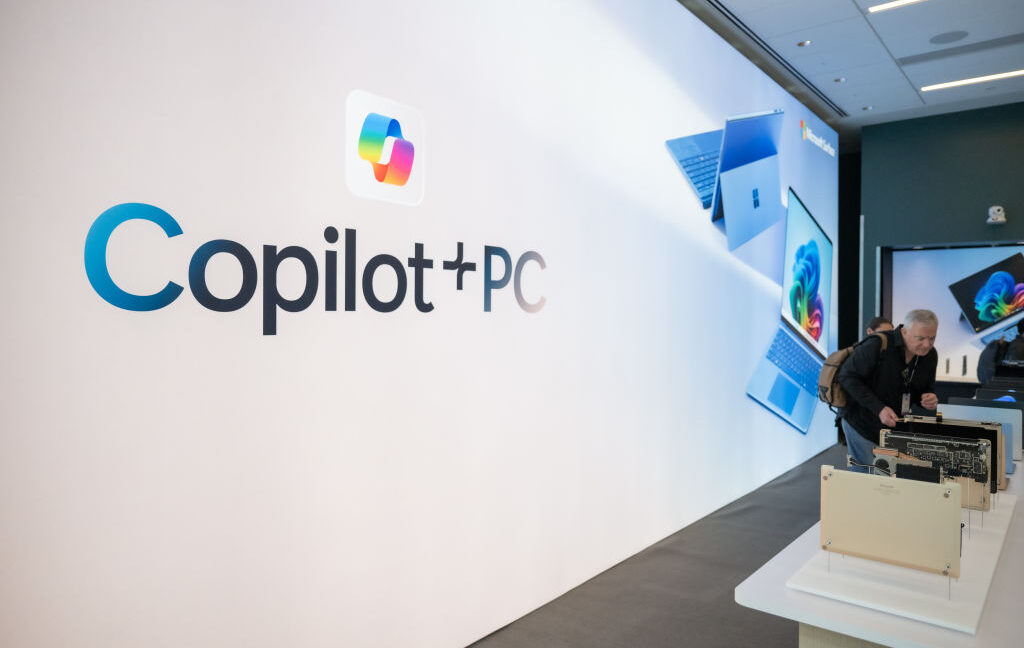
Since 2024, Microsoft has tried to sell “Copilot+ PC.” The marketing initiative was aimed at making it easy for people to know which Windows systems were approved to run AI-accelerated workloads locally. But Copilot+ PC branding is nowhere to be found on the new Surface PCs Microsoft announced this week. Speaking with Windows Central, Brett Ostrum, corporate VP of Surface, said that the new Surface computers “are not called Copilot+ PCs” despite meeting the label’s requirements.Read full article
Get smart on it
Microsoft introduced "Copilot+ PC" branding in 2024 to identify Windows computers with specific hardware requirements designed to run AI features locally, including 16GB of RAM, 256GB of storage, and a neural processing unit rated at 40 trillion operations per second or better. The company has now stopped using this branding on its new Surface laptops announced this week, even though they meet all the previous requirements for the label. The shift reflects declining consumer interest in AI PCs generally, as cloud-based AI alternatives are widely available and specific use cases for on-device AI remain limited. Microsoft may also be moving away from the branding because it was associated with security concerns related to its Recall feature, and because the company is preparing to emphasize new laptop GPUs arriving this fall.
Related news
DeepSeek Harness v0.2 Brings Official Desktop Apps to Its Open-Source Agent Harness
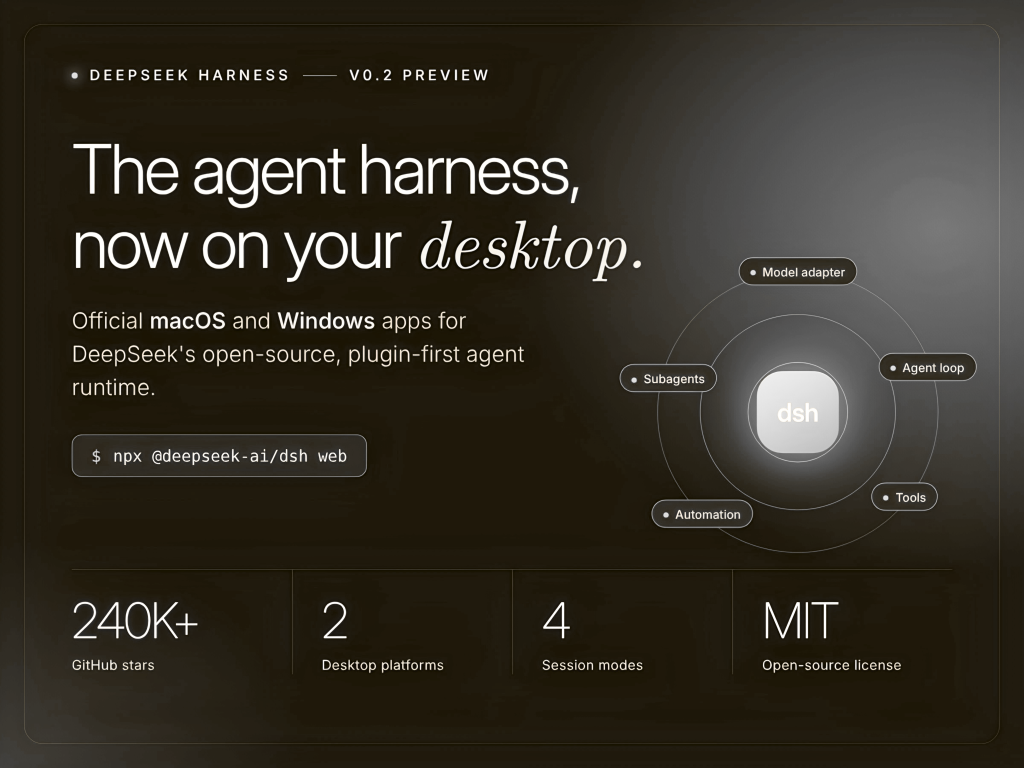
DeepSeek has released an official desktop app for DeepSeek Harness (dsh), its open-source agent harness. The app ships with the v0.2 preview. Installers cover macOS (Apple silicon) and Windows (64-bit). Is it deployable? Yes, today, as a preview. Download it from deepseek.com/harness or run npx @deepseek-ai/dsh web. DeepSeek warns that compatibility-breaking changes will follow. What Shipped in v0.2 A harness is the runtime that turns a model into an agent. It reads files, runs command
The Agent Said It Was Done. The Database Disagreed.
When AI systems claim task completion without verification, downstream errors can cascade through dependent processes, exposing gaps in reliability for critical workflows.