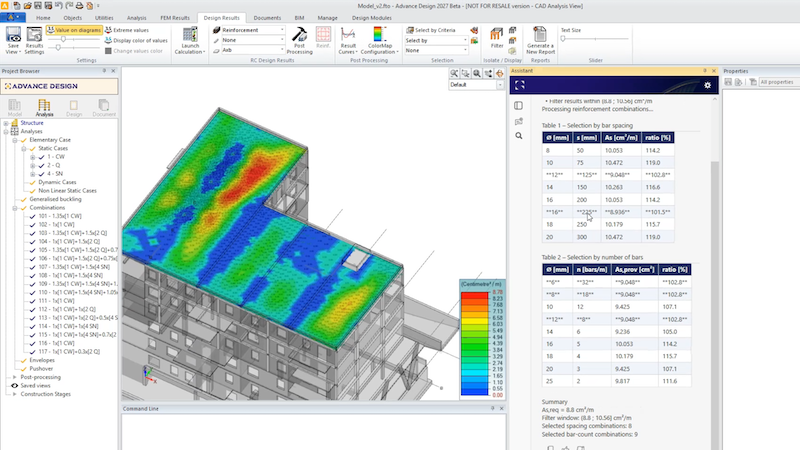
Graitec outlines AI roadmap focused on accountability in engineering and construction
Software provider Graitec has unveiled a three-stage artificial intelligence strategy aimed at the architecture, engineering, construction and operations (AECO) sector, arguing that the industry’s biggest challenge is not generating content with AI but ensuring the results can be trusted in real-world projects. The company says it is embedding AI directly into engineering, fabrication and construction […]
Make your prediction
Will Graitec release a new AI-powered product update before September 30, 2026?
Resolves by Sep 30, 2026
Your prediction
50% · 50/50 coin flip
NOYES
Get smart on it
A software provider in the architecture, engineering, construction and operations sector has announced a three-stage strategy for integrating AI into its products, with emphasis on ensuring AI-generated results can be trusted and audited for real-world projects. The company argues that the main challenge in this industry is not creating content with AI but guaranteeing accountability, since engineering software must comply with strict technical and regulatory standards unlike consumer AI applications. The strategy progresses from AI-assisted workflows that improve productivity, to automation of repetitive tasks, to eventually generating optimized designs that meet building codes directly from project requirements. This approach matters because engineers and contractors face pressure to boost productivity while maintaining compliance with design standards and safety regulations, and the company believes introducing AI earlier in projects could reduce costly rework and errors.
Related news

India’s MoEngage bets that the future of marketing is millions of AI agents
The all-cash deal gives MoEngage access to technology that assigns AI agents to individual customers.

Google Home will soon get better at recognizing you
A new update for Google Home could make it less likely your smart home cameras mistake you for someone else, just because you're facing away from the camera. Starting June 23rd, Google's expanding its facial recognition feature so that people you've tagged in your Familiar Faces library can continue to be identified when their faces aren't clearly visible, using "additional non-biometric signals (body size, clothing color, etc.)." The Familiar Faces library will also begin aut