Google figures out how to watermark AI-designed proteins
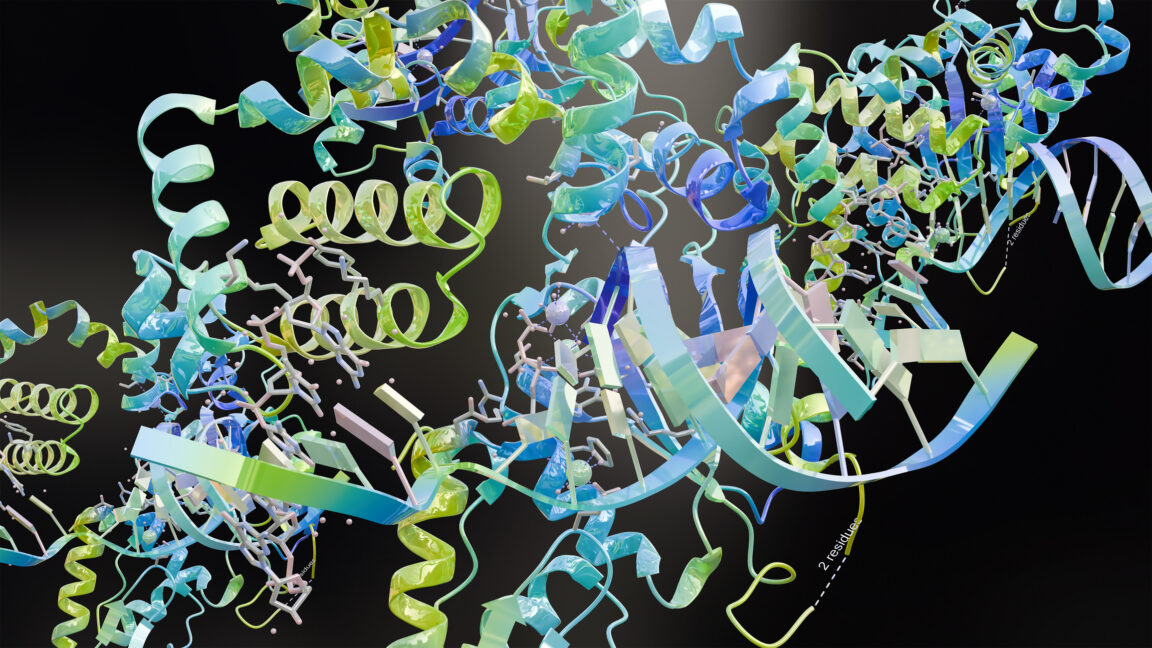
AI-based tools seem to be causing security threats on a nearly daily basis, in part because we've been slow to recognize potential threats. One area where we seem to be ahead of the game, however, is in biosecurity. As with most things biological, utility goes hand in hand with threats. We've developed increasingly sophisticated tools for designing proteins and seen some major successes, such as AI-designed enzymes that can digest plastics or block venom proteins. But these same tools could be u
Get smart on it
Google has developed a watermarking system for AI-designed proteins that embeds identifying marks into the protein sequences without affecting their function. The watermark works by influencing which amino acids the AI protein design tool selects at each step, distributing the signal throughout the entire protein so it cannot be removed. This matters for biosecurity because DNA synthesizers currently cannot distinguish between AI-designed proteins created by trusted researchers and those created by bad actors, making it difficult to screen orders for potentially dangerous proteins like toxins or altered viral proteins. The watermarking system allows DNA synthesizers to verify that unknown proteins come from trusted sources, helping them focus their security screening efforts on designs that lack these trusted watermarks.
Related news
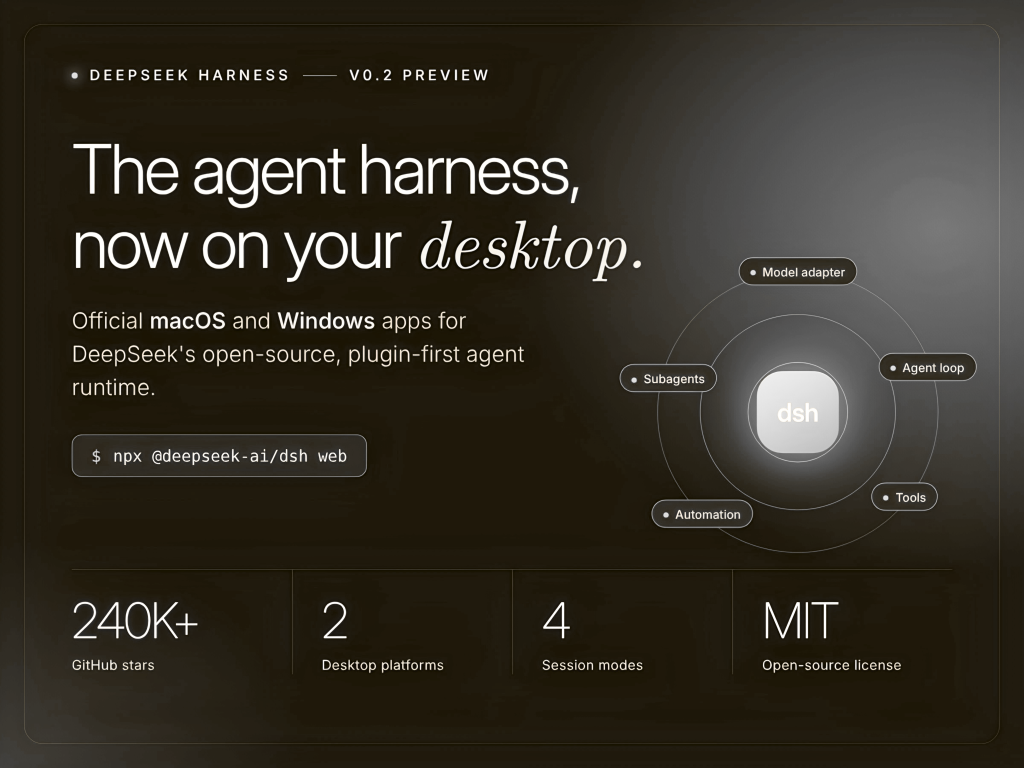
DeepSeek Harness v0.2 Brings Official Desktop Apps to Its Open-Source Agent Harness
DeepSeek has released an official desktop app for DeepSeek Harness (dsh), its open-source agent harness. The app ships with the v0.2 preview. Installers cover macOS (Apple silicon) and Windows (64-bit). Is it deployable? Yes, today, as a preview. Download it from deepseek.com/harness or run npx @deepseek-ai/dsh web. DeepSeek warns that compatibility-breaking changes will follow. What Shipped in v0.2 A harness is the runtime that turns a model into an agent. It reads files, runs command
The Agent Said It Was Done. The Database Disagreed.
When AI systems claim task completion without verification, downstream errors can cascade through dependent processes, exposing gaps in reliability for critical workflows.