Flock Has a Powerful New AI Tool for Police. We Got Its Code
Flock’s surveillance cameras have already sparked outrage. WIRED reconstructed its next-generation AI system, already in use by some police, to confirm it goes much further than tracking license plates.
Get smart on it
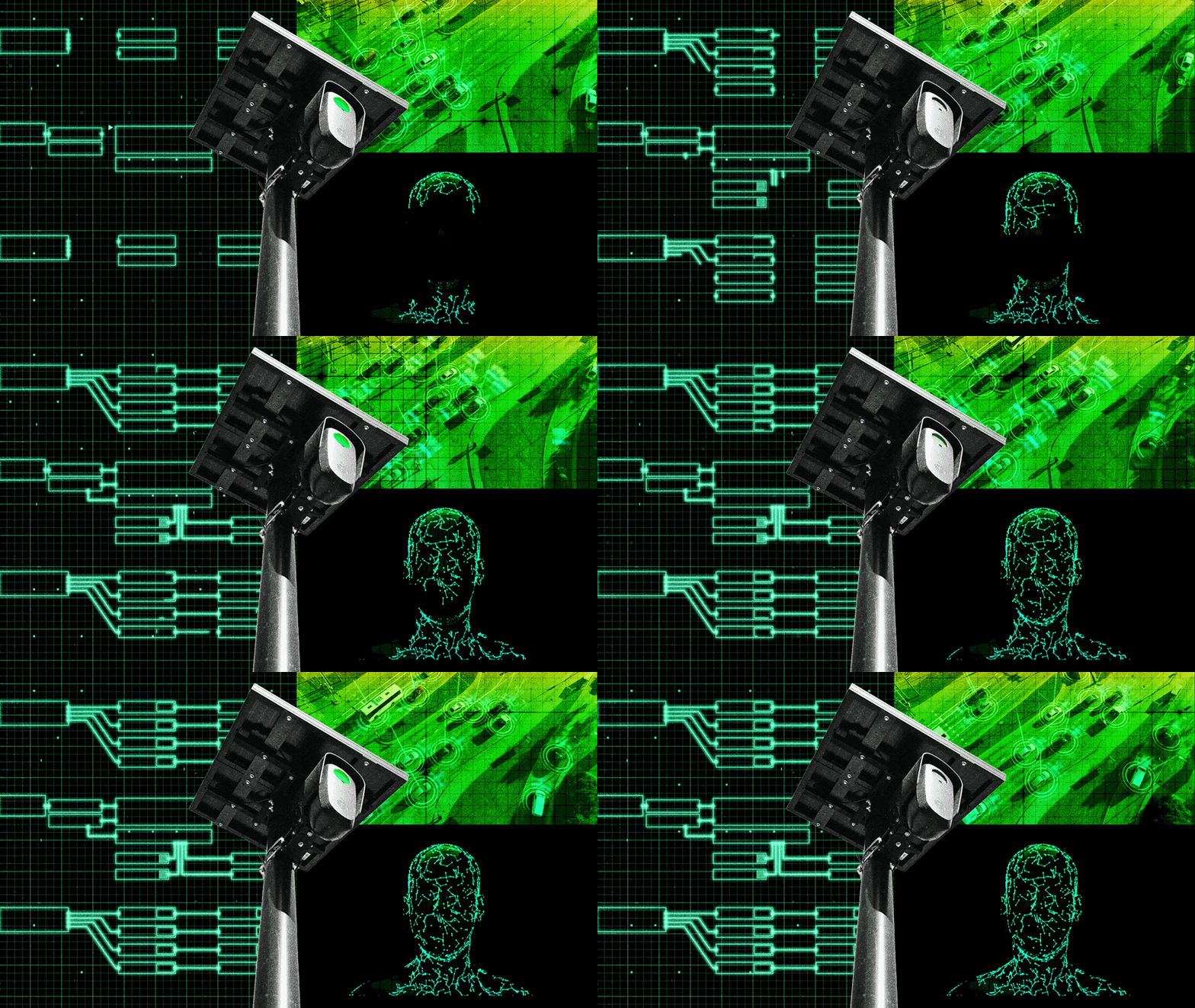
A vehicle surveillance company has built an artificial intelligence system for police that can identify drivers and track vehicles based on movement patterns alone, despite previously stating its technology cannot identify individuals. The system accesses a network of cameras across thousands of communities and can cross-reference license plate data with police case files, dispatch logs, and commercial identity records to generate names, addresses, and relatives. The tool comes with 69 prewritten search prompts that allow officers to find potential witnesses or suspects based on location, time period, and behavior patterns, such as vehicles visiting multiple retail locations or traveling between cities, without requiring a known plate, name, or associated crime. Privacy experts say this represents a significant shift from the company's stated purpose of checking specific vehicles against wanted lists, and raises constitutional concerns by enabling broad surveillance based on movement patterns alone.
Related news

Muse Creates Detailed Profiles of All Your Friends and Family
Millions have downloaded Meta’s AI agent Muse. But getting it to do your bidding comes with privacy costs.

All the AI agents that can live in your text messages
We created a list of the most notable AI agents that can live in your text messages, from general assistants to agents designed for families, travel, and work.