
Flahy uses knowledge graphs for AI clinical decision support
SiliconANGLE: Flahy uses knowledge graphs to support AI-powered healthcare
AI is helping companies interpret biological data for drug discovery and more personalized care. Healthcare technology company Flahy Inc. is applying that approach to clinical decision support, bringing together information that could affect a person’s next step in prevention or treatment, according to Jagjit Singh (pictured, right), founder and chief executive officer of Flahy. “There’s […] The post Flahy uses knowledge graphs to support AI-powered healthcare appeared first on SiliconANGL
Get smart on it
A healthcare technology company is using knowledge graphs, which organize information as interconnected data points, to improve AI-powered clinical decision-making. Knowledge graphs work by connecting patient data across biological and clinical information to help AI models understand which facts matter for treatment decisions, such as how a genetic mutation might affect how a new clinical finding should be interpreted. The approach aims to close care gaps by helping match patients with appropriate tests and treatments based on their specific health profiles. The company works with graph technology partners and is deploying the platform with clinical laboratories and health systems to improve how AI informs treatment selection and prevention strategies.
Relevant courses
Want to go deeper than the news? Explore live, cohort-based AI courses taught by practitioners.
Browse AI courses on MavenRelated news

AI agent makers are promising privacy, will they deliver?
At this year's OpenAI DevDay, CEO Sam Altman unveiled the company's new AI agent Dots - and told the crowd that the company wants to "set a new standard for privacy in frontier AI." OpenAI would spend the day taking veiled shots at Meta's Muse, its primary competitor, for failing to keep users' data safe. Yet Muse itself, a couple of months earlier, had launched as a supposedly safer alternative to predecessor OpenClaw - with CEO Mark Zuckerberg promising it was "built from the

Alexa Plus is better at running my home, but it’s not ready to run my life
I’ve spent a year living with Alexa Plus, and it both delights and frustrates me, which is the smart home in a nutshell. | Photo by Jennifer Pattison Tuohy / The Verge Of all the things Alexa Plus can do, I never expected it to make me cry. Since my son left for college, the Echo Show in my office has been making then-and-now photo montages: the toddler with his first tennis racket next to the captain of his varsity team; me hugging him as a tween beside me hugging him as a youn

Sophos cuts threat investigation time by 96% with OpenAI Daybreak
Discover how Sophos uses OpenAI’s Daybreak to cut cyber-threat investigation time by 96% and automate 52% of MDR cases while preserving human oversight.
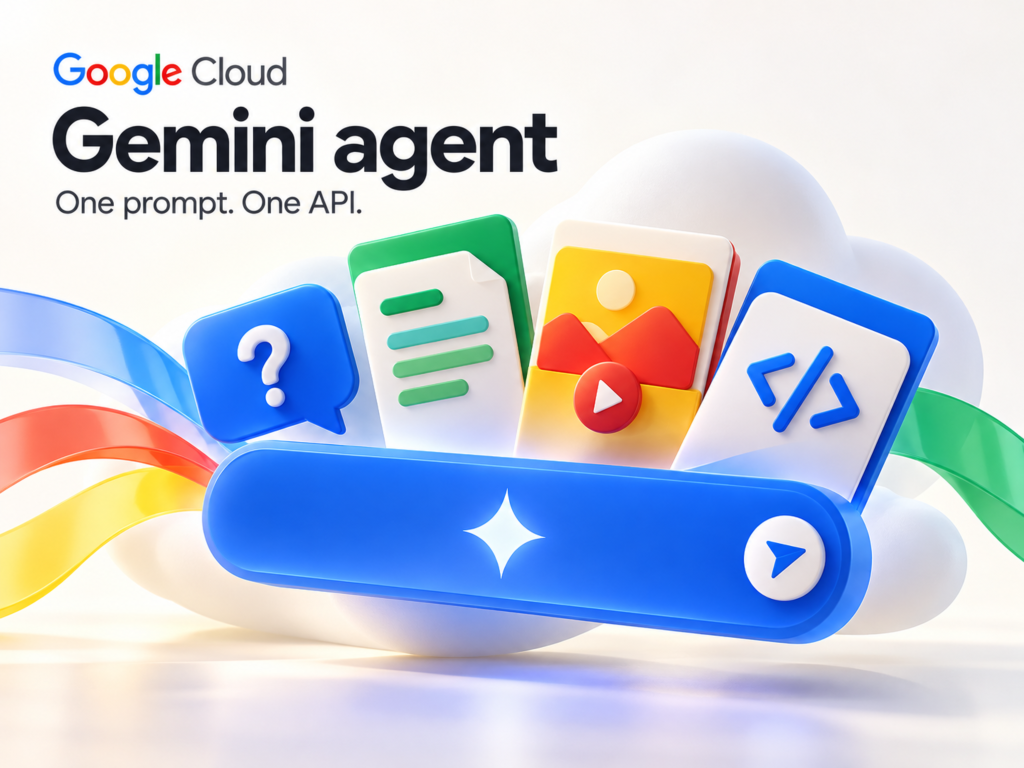
Google Cloud Launches Gemini Agent, One Universal Agent for Enterprise Work
Google Cloud has introduced the Google Cloud Gemini agent, a single agent for enterprise work. The Gemini agent is a cloud-hosted agent from Google Cloud that answers questions, does knowledge work, creates media, and writes and runs code. It does all of this from 1 prompt box and 1 API. For developers, the agent is the product and the model is a routing decision. TL;DR Runs on: Google Cloud (AI Hypercomputer). Reached from web, mobile, desktop, CLI, Workspace, Microsoft 365, Slack, or h

Inside Elon Musk’s Midterm Spending Spree
This week on “Uncanny Valley,” we discuss where Elon Musk’s PAC is spending millions, the latest ideology Trump claims is dangerous, and the backlash against the designer behind Muse’s logo.

Anthropic launches free AI security scans for open-source projects
Anthropic's offering to help open-source projects track down security vulnerabilities with a new service called OSS Scanner. It says open-source projects that opt-in will get "thorough, periodic security scans by our strongest models at no cost." That could mean open-source projects get alerted about possible security issues sooner, but the trade-off is that OSS Scanner's reports don't come with human review: The outputs of this opt-in vulnerability scanner will be fully model