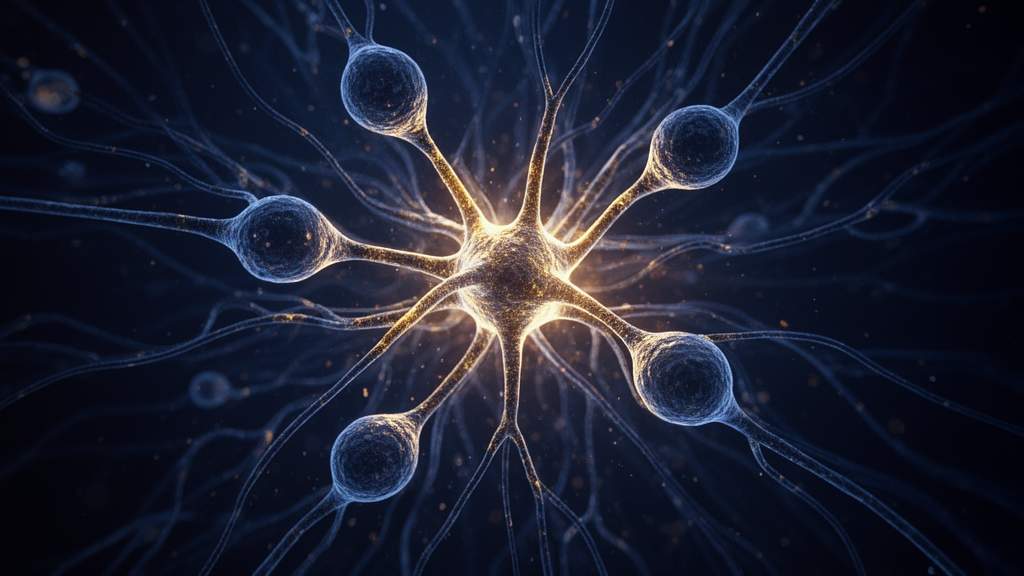
Finding the molecular switches behind new infectious diseases
Clare Bryant uses Co-Scientist to identify genetic triggers in emerging infectious diseases.
Get smart on it
Most emerging infectious diseases result from pathogens jumping from animals to humans, such as with Ebola, HIV, flu, and Covid-19. A researcher at the University of Cambridge is using an AI tool called Co-Scientist to identify the molecular switches that trigger severe diseases like sepsis when pathogens cross between species. The tool analyzes published literature and generates ranked hypotheses, some novel, that help prioritize which specific targets are worth testing in the lab. By working iteratively with the AI tool to refine hypotheses down to specific amino acids, the researcher's team expects to complete work that would normally take two to three years in approximately six months.
Related news

India’s MoEngage bets that the future of marketing is millions of AI agents
The all-cash deal gives MoEngage access to technology that assigns AI agents to individual customers.

Google Home will soon get better at recognizing you
A new update for Google Home could make it less likely your smart home cameras mistake you for someone else, just because you're facing away from the camera. Starting June 23rd, Google's expanding its facial recognition feature so that people you've tagged in your Familiar Faces library can continue to be identified when their faces aren't clearly visible, using "additional non-biometric signals (body size, clothing color, etc.)." The Familiar Faces library will also begin aut