Anthropic says its biology lab has already found something big
But maybe the biggest reveal is that Anthropic has not let Claude run loose in its biology lab. Humans are still, so far, in the loop.
Get smart on it
An AI company announced that its biology lab, established this spring in the Bay Area, discovered a previously unknown enzyme system in bacteriophage DNA that can perform DNA operations similar to CRISPR, a gene-editing technology. The company's AI model found the discovery in about 21 hours using roughly 950 agents and 210 million tokens, though the company notes that a Stanford team previously discovered a similar system. The discovery matters because it demonstrates AI's emerging capability in biological research, though the broader research community will need to validate how significant and novel the finding actually is. The lab currently operates at lower biosafety risk levels with human scientists performing all physical experiments, though the company's leadership has indicated that fully autonomous AI-controlled experiments may be possible in the future.
Related news

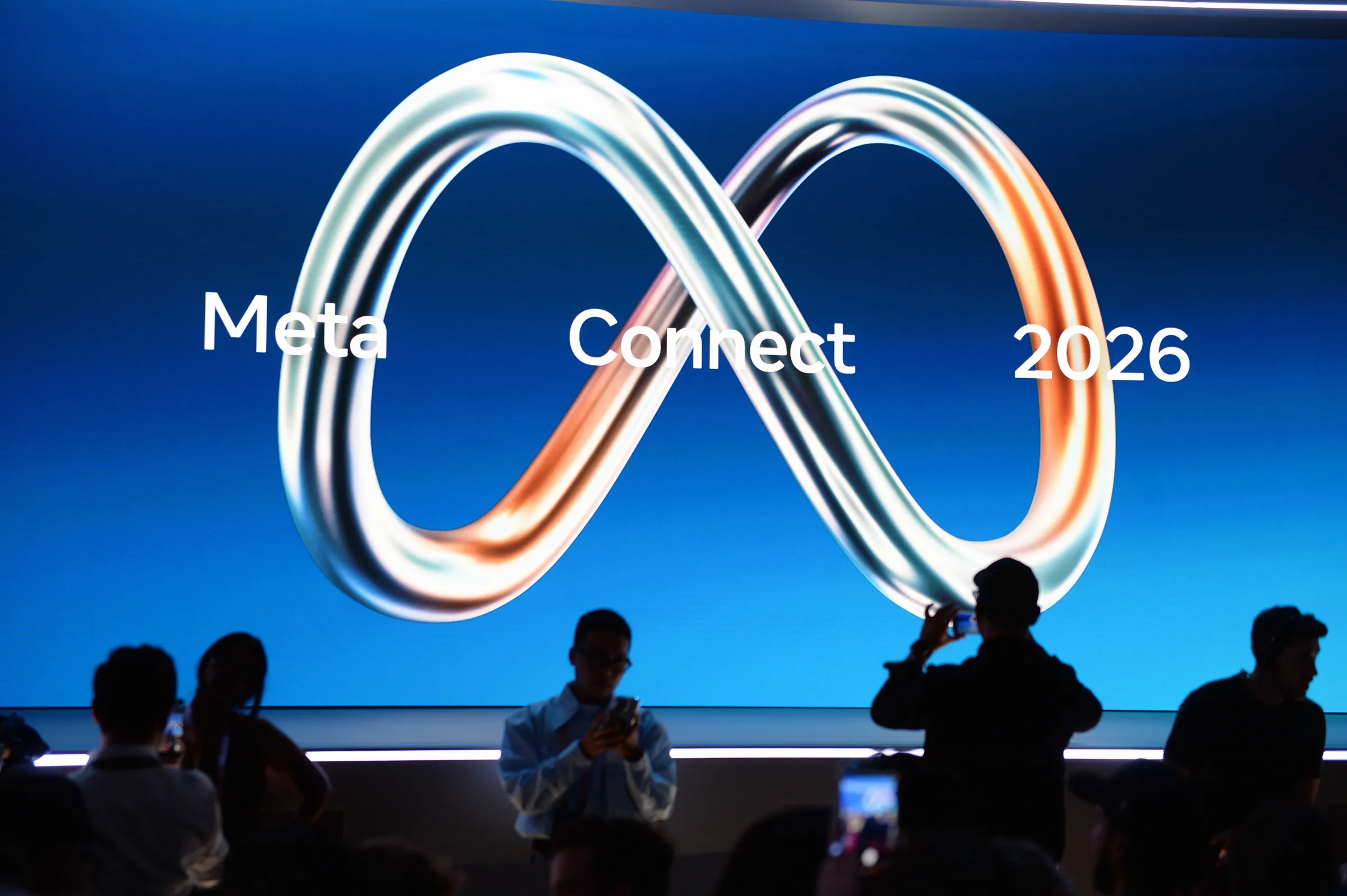
Meta is making a standalone Muse AI gadget
Meta is building a dedicated hardware device for its new Muse AI agent. The product, called Muse Charm, was briefly shown off by Meta CEO Mark Zuckerberg at the end of tonight's Meta Connect presentation. It looks almost like a chunky smartwatch without the strap - just a big screen, plus a little lanyard for carrying the device around. The Muse Charm has a fingerprint sensor on the top right corner that you can press to activate and begin speaking to the agent. There appears t

Everything new coming to Meta’s AI agent Muse
CEO Mark Zuckerberg kicked off the company’s annual Connect event in Menlo Park on Wednesday with a keynote that made one thing clear: Meta is going all-in on Muse. It's even coming to Meta's AI glasses.