The Carolinas May Hold a Critical Resource for AI Data Centers
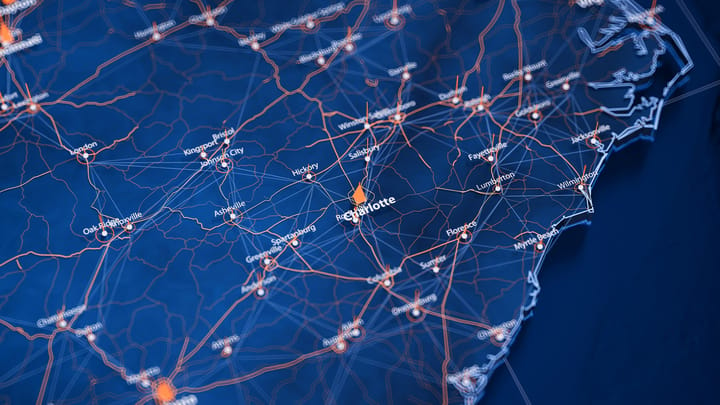
A USGS study estimates 1.43 million metric tons of recoverable lithium oxide in the Carolinas, a potential boost for grid-scale battery energy storage.
Get smart on it
A US Geological Survey study estimates the Carolinas contain 1.43 million metric tons of recoverable lithium oxide, potentially representing one of the nation's largest untapped lithium resources. This matters because lithium-ion batteries are increasingly used for grid-scale energy storage to support the rising electricity demand from AI data centers and other sources. Battery storage systems can address short-term grid stress more quickly and cost-effectively than building new transmission infrastructure, making domestic lithium supplies relevant to utilities' energy planning. However, lithium availability alone is not the primary constraint on battery storage growth, as manufacturing capacity, refining capability, labor, and grid interconnection processes present more immediate challenges.
Related news
SoftBank’s CEO isn’t the only one with questions about Elon Musk’s orbital data center hype
Not everyone is buying Elon Musk’s vision for orbital data centers.

Losing the Plot: Why a Responsible Approach to Land Is Pivotal to Data Center Development
Responsible land use is key to sustainable data center growth, balancing environmental care, community value, and digital infrastructure needs, writes atNorth’s Johann Thor Jonsson.

OpenAI’s Jalapeño chip is Big Tech’s spiciest move away from Nvidia
Nvidia has dominated the AI chip market for years, but the era of total dependence might be ending. OpenAI just shared its plans to spice things up with Jalapeño, its custom inference chip built with Broadcom, joining Google, Apple, and SpaceX in a growing list of companies building their way out of single-supplier risk. The goal is less of a […]